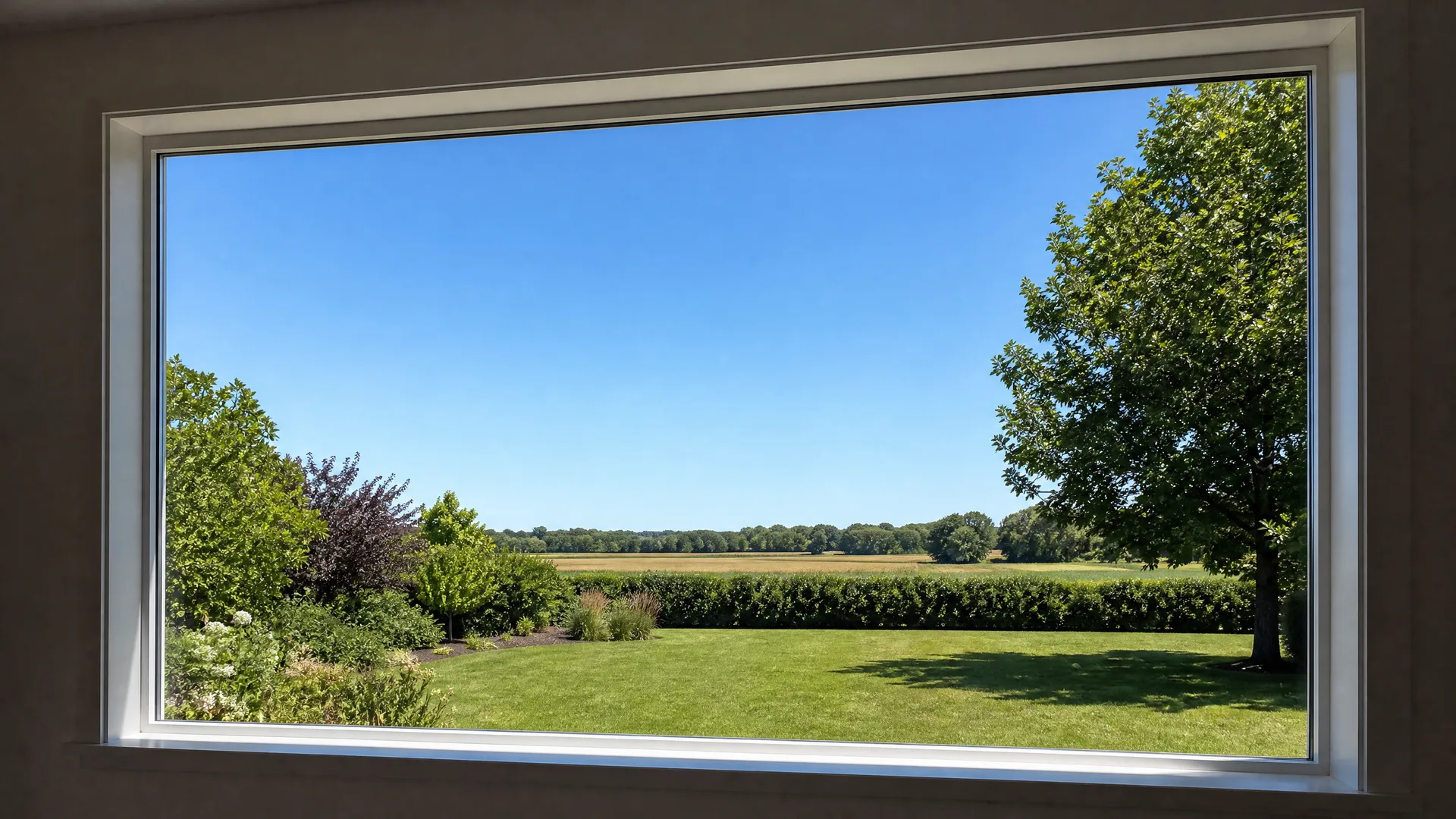

On a mild day, it holds its own
Above freezing, a mini split keeps a room warm without much strain. The unit pulls heat out of the outside air and moves it in, and in the 30s and 40s it does that well.
A mini split alone is a hard way to heat an Iowa winter. Most mini splits are heat pumps, and heat pumps pull warmth out of outside air. That gets harder as the air gets colder, and once temperatures drop into the single digits or below, which Iowa sees most winters, output falls off and a lot of units need backup to keep up. Most homes here already heat with gas, and that furnace is built for the cold snaps a mini split struggles with. The two can work together well: the mini split carries the mild days in fall and spring, the furnace takes over when it gets hard. That split keeps the people in your home warm without asking one system to do a job it was not built for. Going mini split only in Iowa means planning for exactly how it will handle the coldest nights, not just the average ones.
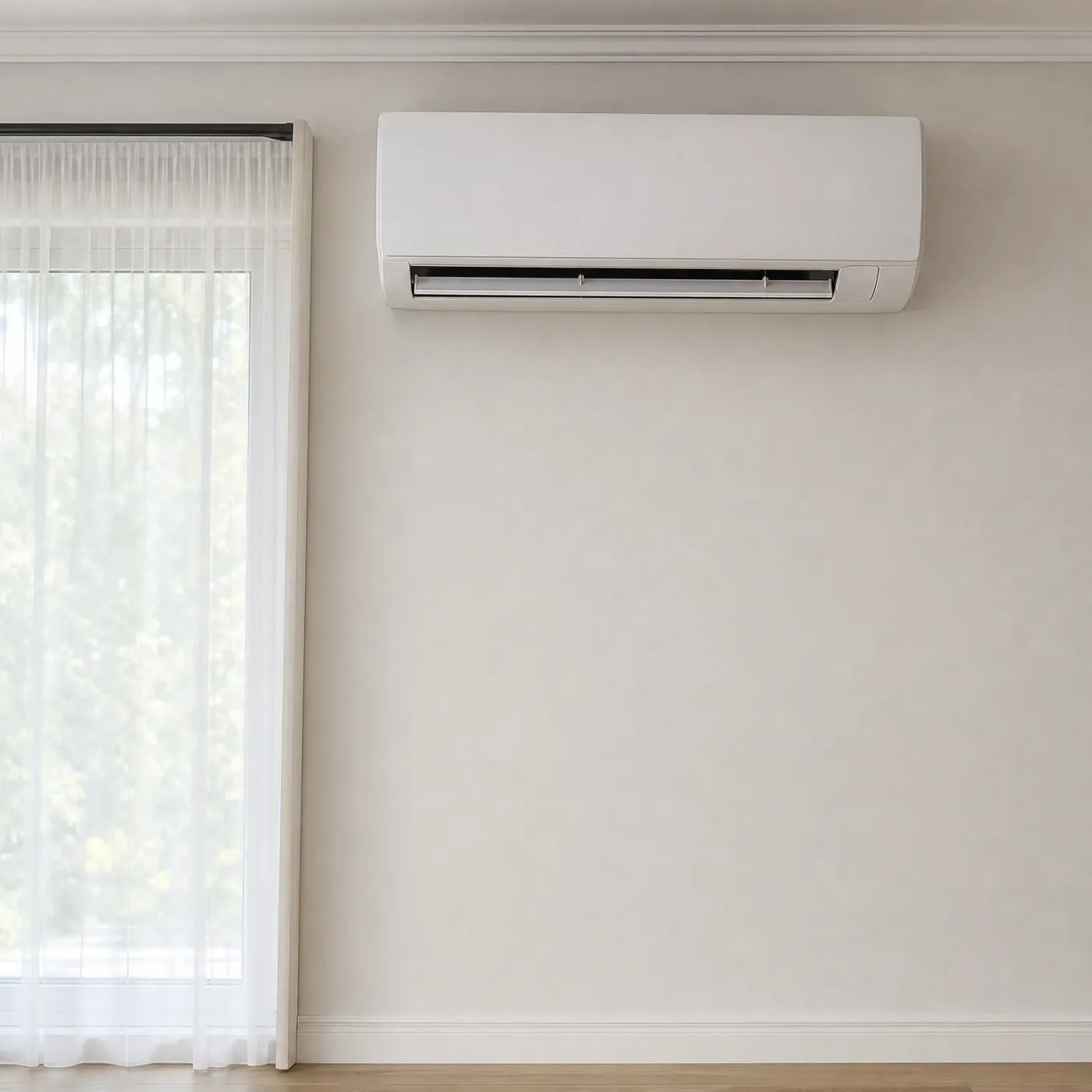
Above freezing, a mini split keeps a room warm without much strain. The unit pulls heat out of the outside air and moves it in, and in the 30s and 40s it does that well.
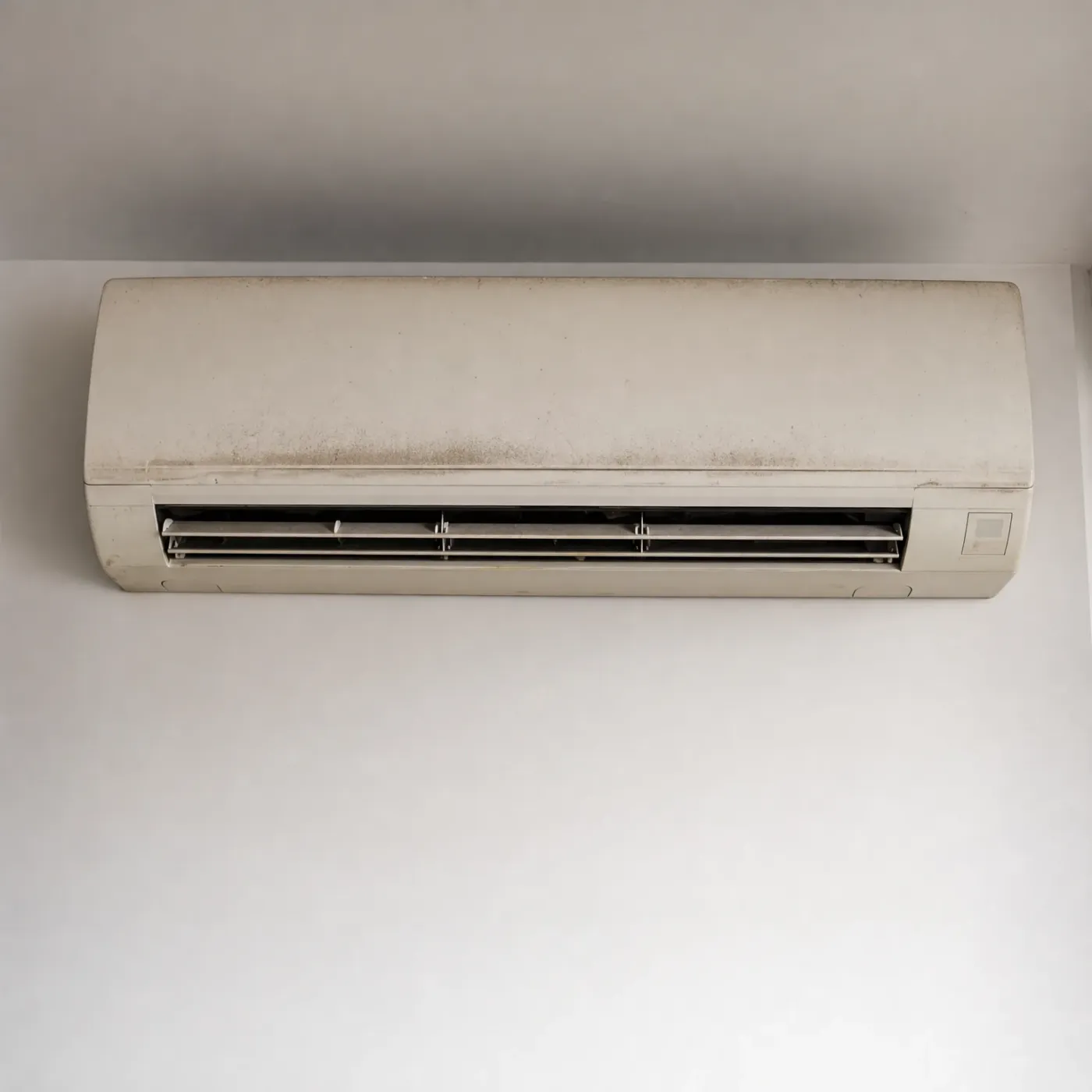
Below zero, the same unit works harder for less heat. Most homes in Iowa lean on a gas furnace for a reason, and a mini split alone leaves you short on the coldest nights.




A gas furnace stays the main heat source in most houses here. A mini split works alongside it, covering rooms the furnace doesn't reach well.
Running a mini split for extra heat or for summer cooling costs less here than in places with higher electric rates.
On a hard winter day you'll hear it working harder: the outdoor unit running longer, the air coming out of the indoor head feeling cooler than it should. The room it's in might still feel chilly even with the thing on. If it's your only heat source in that room, that's the sign it can't keep up with the outdoor temperature. Left alone, pipes near that room get no warmer air to counter the cold, and in a bad stretch that's how you end up with a frozen or burst pipe. It's not a sign anything is broken. It's a mini split doing what it can against air that's too cold to pull much heat from.
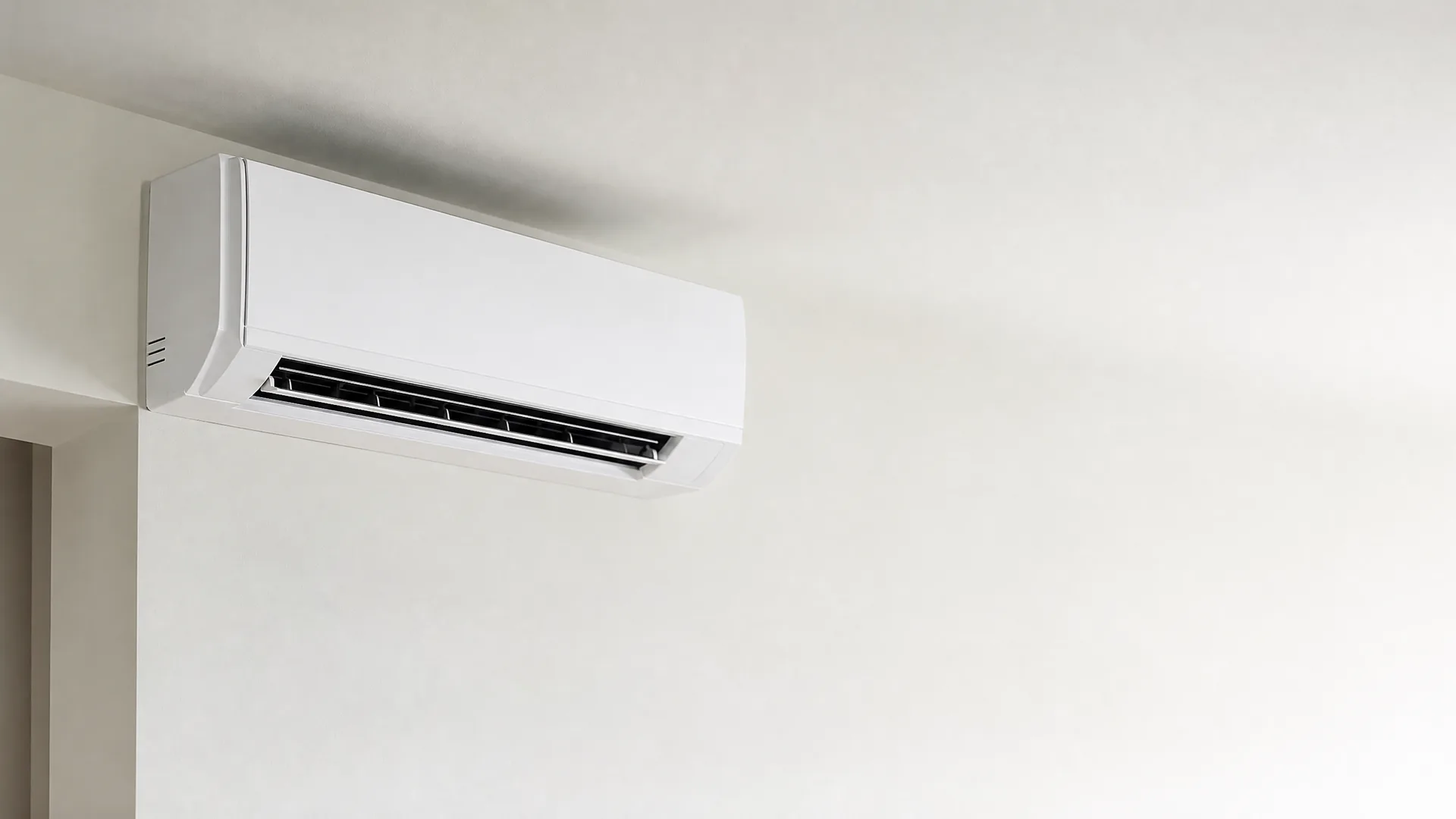
A mini split installed alongside your furnace takes the load off the rooms that need it most. A bonus room over the garage, a finished basement, a sunroom the ductwork never reached well. The furnace keeps running for the rest of the house, and the mini split handles the spot that's always been too hot or too cold. Neither one has to do the whole job alone.
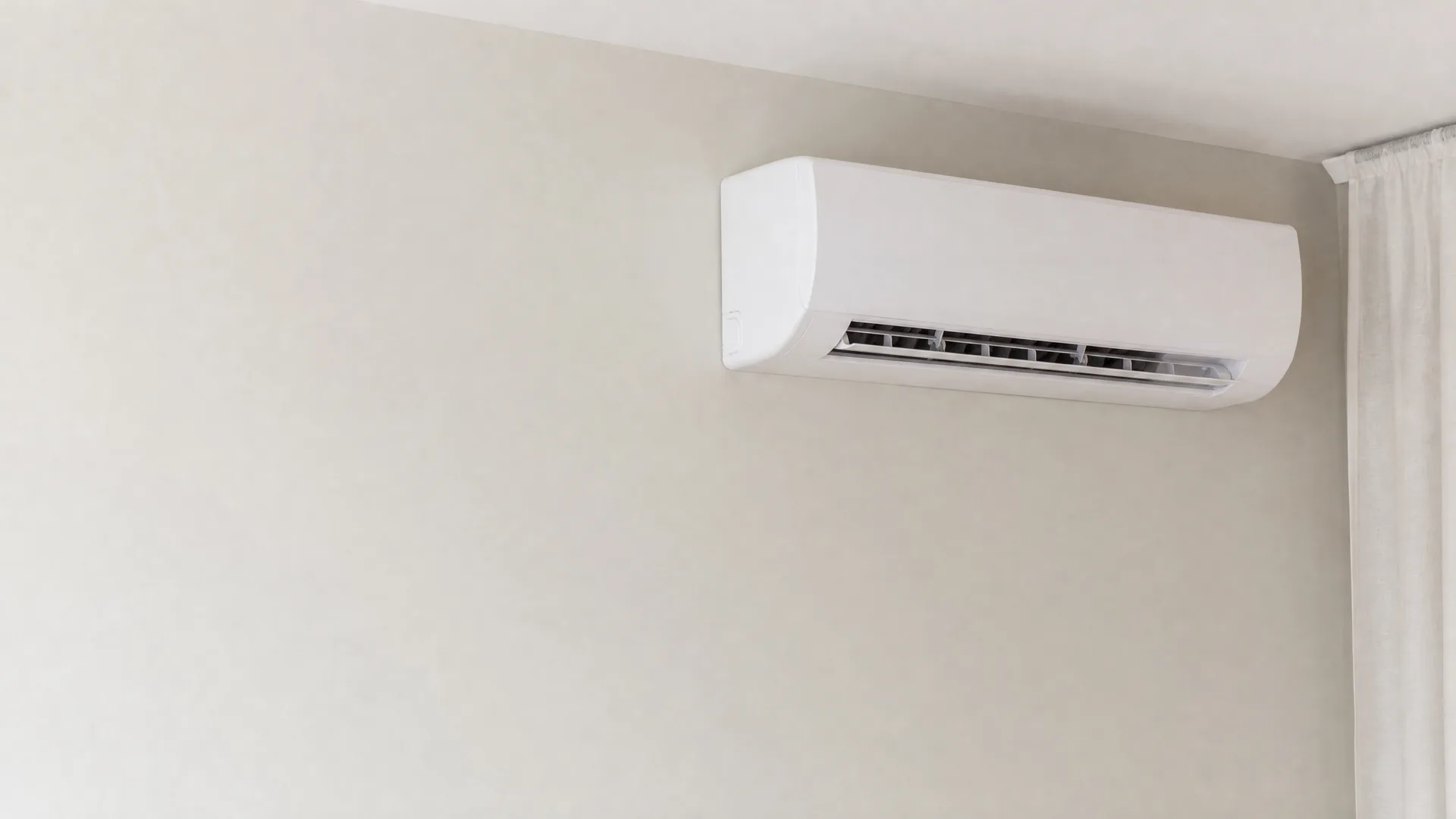
If you want the mini split to cover more than one room without the furnace running, it has to be sized and placed for that from the start. A unit chosen to cool one bedroom in July won't carry a hallway and two rooms in January. This is a conversation to have before installation, not after the first cold snap, since moving or adding a unit later costs more than planning for it up front.
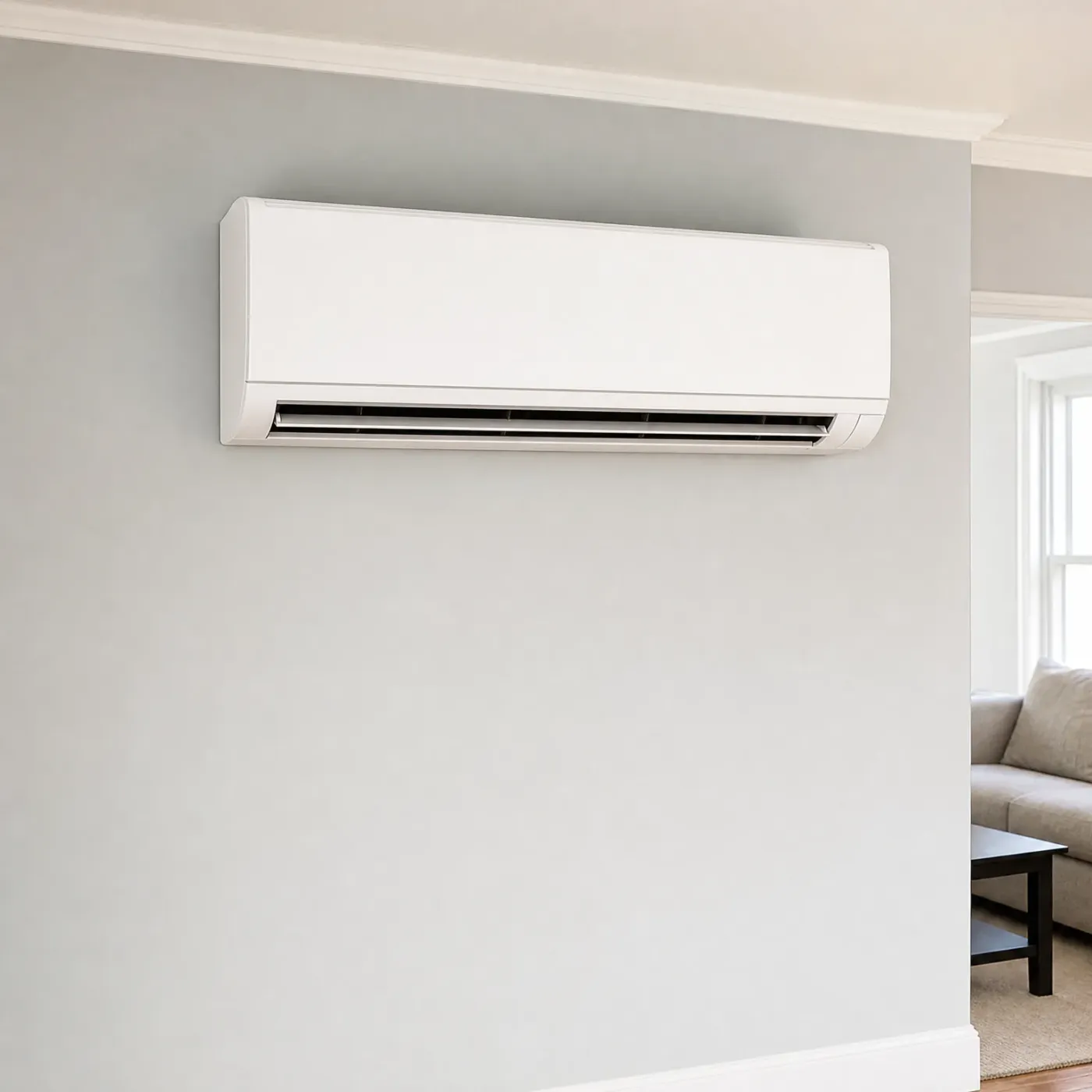
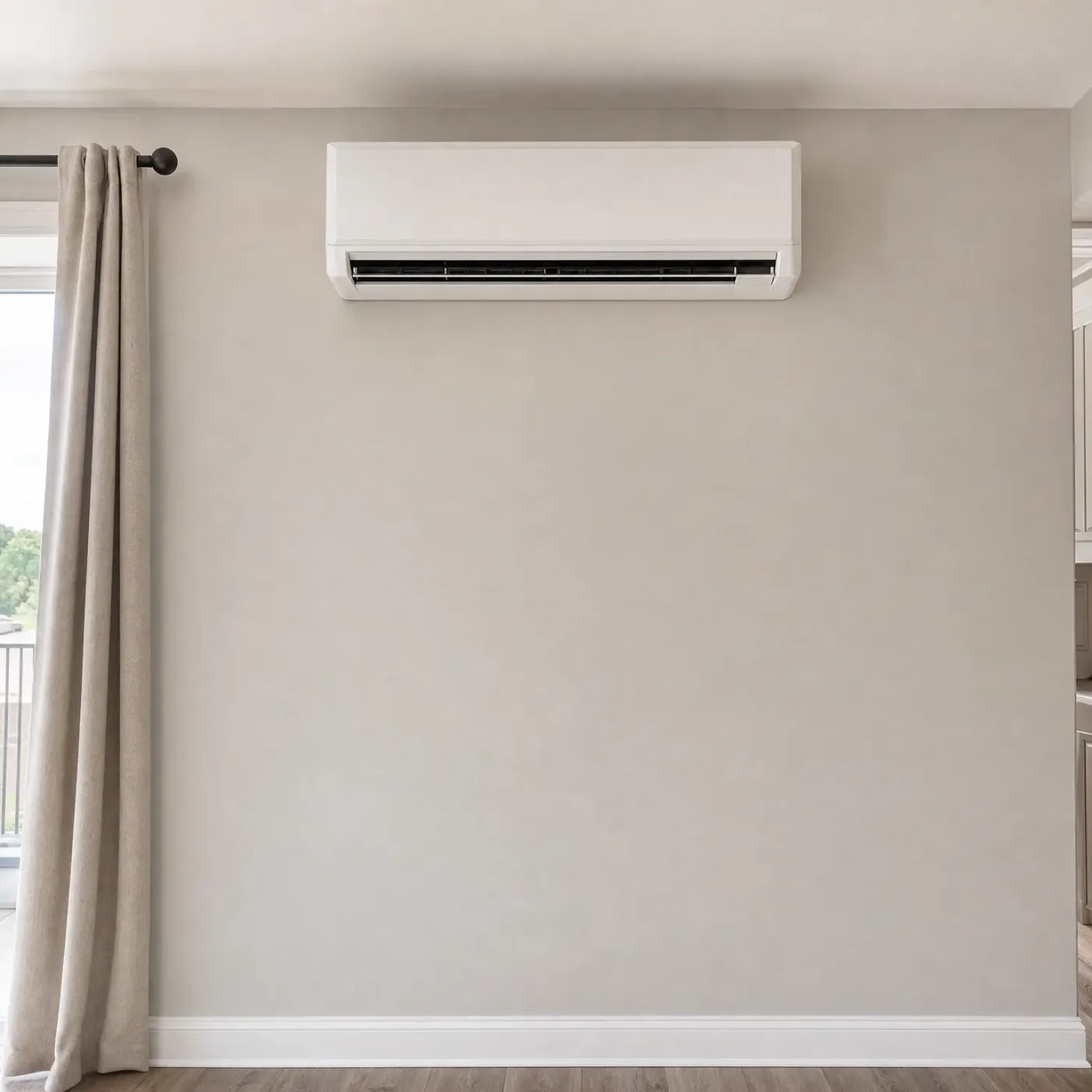
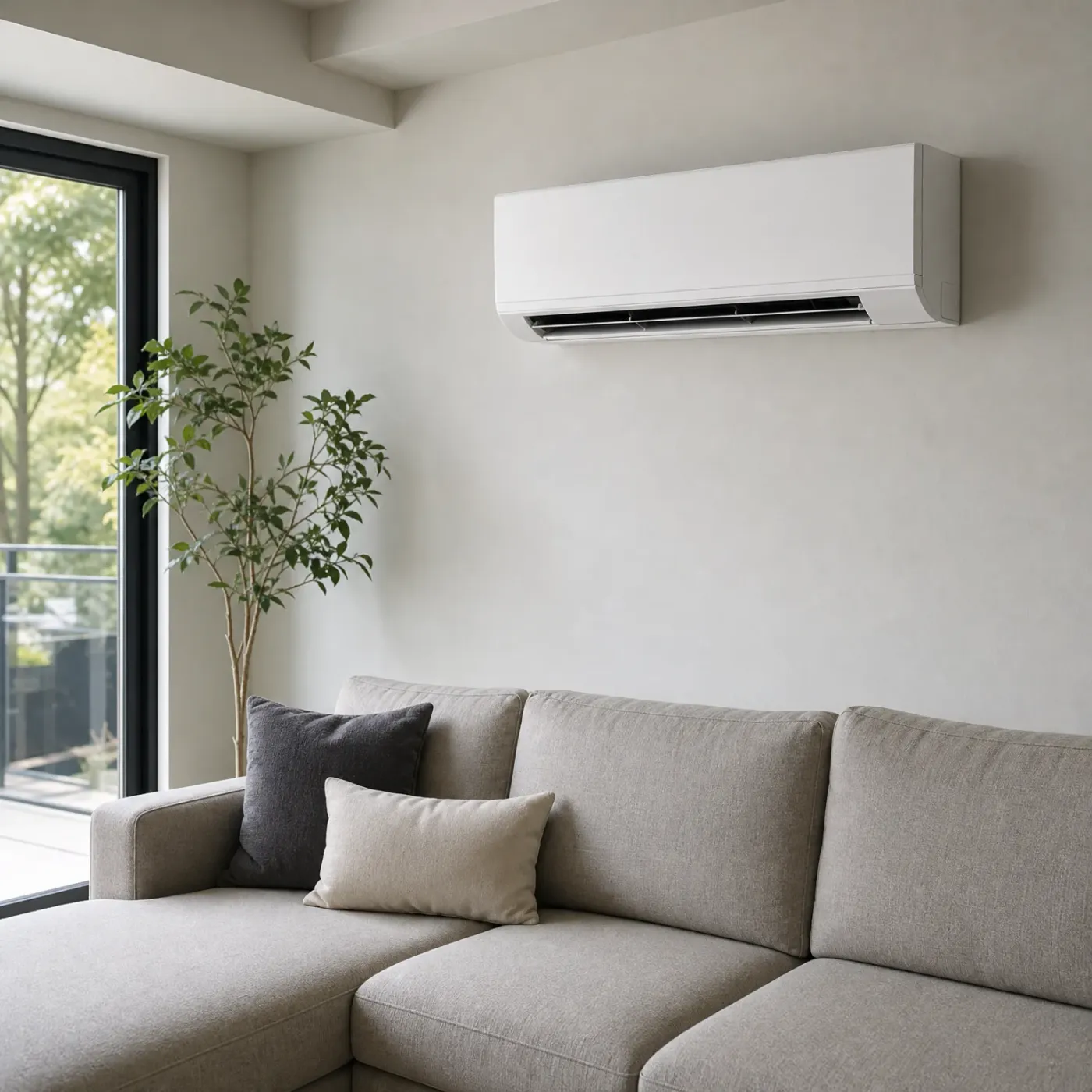
This is a mini split doing its job. The wall unit sits high and quiet, air moving into the room without fuss. On a mild Iowa day this is what you want to see, whether it's cooling the house in July or helping the furnace take the edge off a cool October morning.
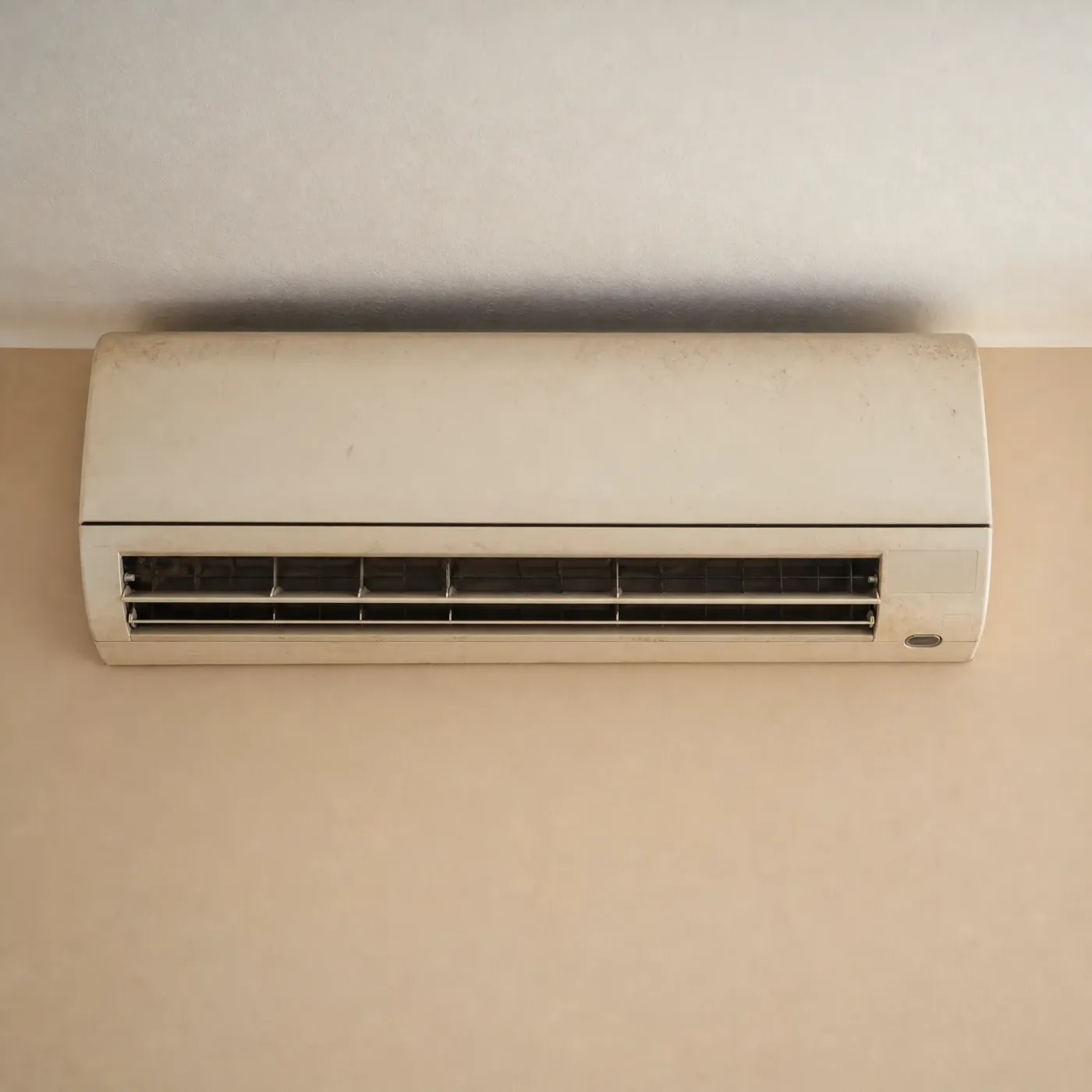
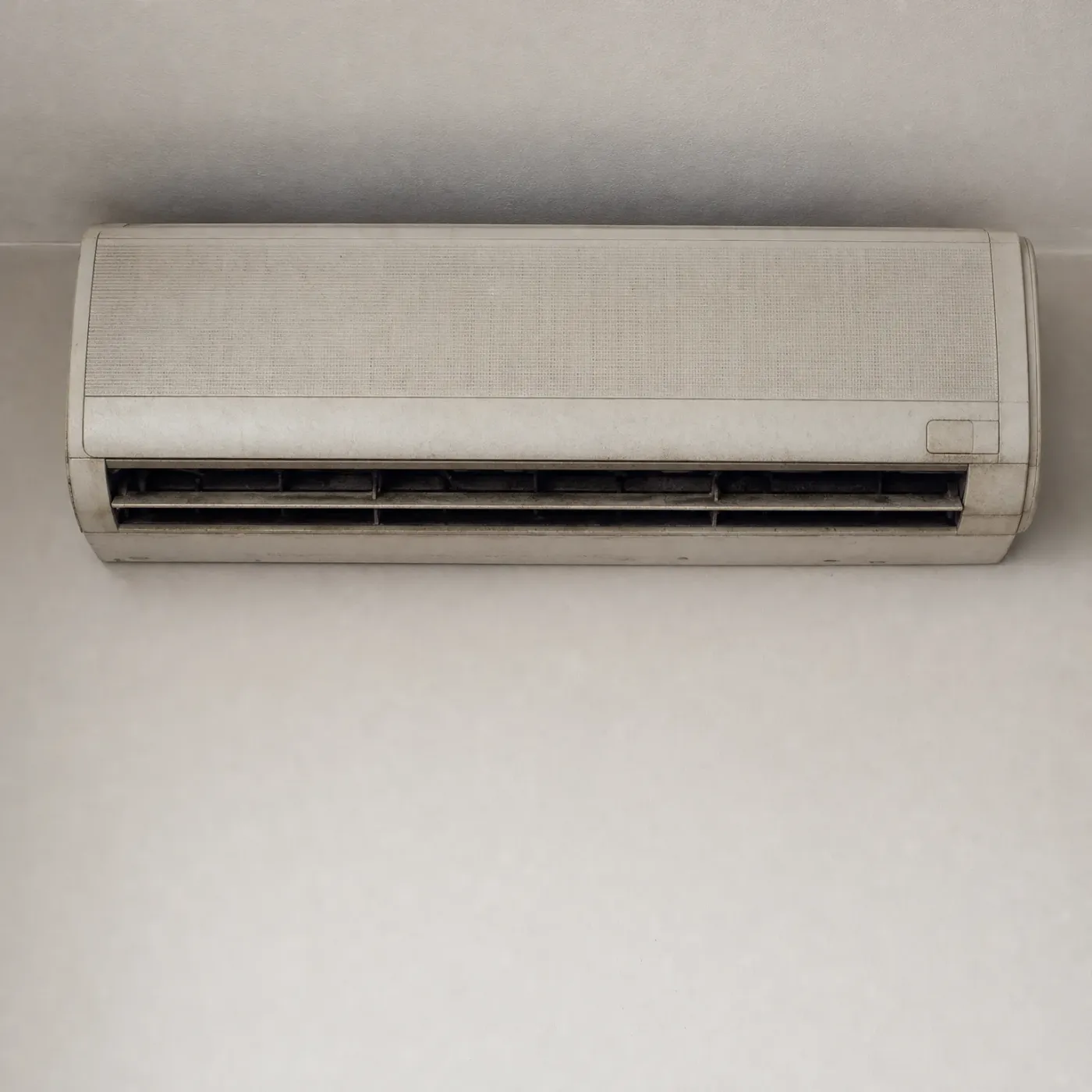
Dust and yellowing on the casing often mean a unit that's been running long hours without a filter cleaning. Ask it to carry a whole Iowa winter by itself and it strains even harder, running constantly in the cold and losing ground. That wear shows on the case before it shows on the bill.
Fill out one short form instead of calling around.
A local installer who puts in mini splits gets your project.
You're not committing to anything by asking.

A mini split heats by running refrigerant through an outdoor coil, pulling whatever heat is in the outside air into that refrigerant, then moving it inside to the indoor head. That cycle depends on a compressor working harder as the gap between outside air and your target indoor temperature grows. On a 20 degree day, the compressor is already running near its limit just to hold a room at 68. Some units add electric resistance heat as backup once the outdoor coil can't keep up on its own, which keeps the room warm but runs up the power draw doing it.
If you're weighing whether a mini split can carry your house through an Iowa winter on its own, that's a sizing and layout question specific to your home, your rooms, and whatever furnace or ductwork you already have. A contractor who looks at your place can tell you what the unit you have, or the one you're considering, can actually cover, and where it needs backup.

The outdoor coil pulls heat from the outside air
Refrigerant inside that coil carries the heat it picks up
A compressor raises the refrigerant's pressure and temperature
The indoor head releases that heat into the room
You've probably noticed the outdoor unit pause, or seen steam rising off it on a cold day, and wondered if something's wrong. It isn't. It's part of how the system handles frost that builds up on the outdoor coil whenever it's cold and humid enough outside, which in an Iowa winter is often.
Cold air still holds some moisture, and when that moisture hits the outdoor coil it can freeze onto it, the same way frost forms on a car windshield. A layer of frost blocks the coil from pulling in heat, so the system runs a defrost cycle: it reverses direction for a few minutes, sending warm refrigerant through the outdoor coil to melt the ice off. You'll see steam coming off the unit, and the indoor head may blow cool or stop blowing air during this. That's normal. It happens more often on the coldest, dampest days, and each cycle takes the system away from heating your home for a few minutes at a time.

Iowa summers feel heavier than the temperature alone suggests. Averaged across June, July and August, the dew point here runs 62°F, and that's the number that decides how much moisture your mini split has to pull out of the air before the room actually feels dry. A mini split handles that well. It cools and dehumidifies in the same pass, so a room it serves shouldn't feel sticky even on a heavy August afternoon. You'll notice it most in the room with the indoor head: the air feels drier there than it does in rooms the mini split doesn't reach.
NASA POWER T2MDEW county cells weighted by homes


At 13.62 cents a kilowatt-hour, running the mini split for extra heat or to cool the house in July won't drive your bill up much. That makes it a cheap way to take the edge off a cold room or keep the house comfortable all summer without leaning harder on the furnace.
EIA-861 2025 statewide residential average
A mini split can't be the only thing standing between your family and an Iowa winter. It does its best work alongside the furnace already in your house, taking on the rooms that run cold or never got good ductwork, while the furnace carries the house through the single digit nights. Sizing and placement decide whether that arrangement actually works. Put the unit in the wrong spot, or size it wrong for the room, and it runs hard all winter for not much warmth. Get it right and it quietly covers the gaps your furnace leaves, then keeps the house comfortable all summer when the dew point climbs and the air feels heavier than the thermometer says.
None of that happens by accident, and figuring out who does this well in your area usually means calling around, explaining your house to each one, and comparing quotes that don't really match up because nobody measured the same thing. You don't have to do that part. A contractor who installs mini splits for Iowa winters, not just Iowa summers, knows how to size the unit for your rooms and where it needs to sit to actually help on the coldest days. Finding that person is the only hard part left. The mini split itself, paired with the furnace you already have, will do its job once it's installed right.





Explain the job once and skip repeating it on every call.
It costs nothing to send, and you don't have to hire anyone.