Rated to about -13°F
A cold-climate heat pump keeps producing heat well below zero. A standard heat pump isn't built for that, and a basement on the coldest night will fall behind.

A mini split can heat a basement through an Iowa winter, but only if it's sized and installed to handle the cold snaps, not just the mild days. Below around 5 degrees, most standard heat pumps lose capacity and run longer to keep up, and some models ice over and need to defrost. A cold-climate mini split is built for this, with a compressor that keeps working well below zero. Basements add their own wrinkle: the space holds heat better than an upstairs room but also starts colder, since it sits against the ground and gets less sun. For most Iowa basements, that means pairing the mini split with the gas furnace already running the rest of the house, rather than asking it to carry the whole load alone on the coldest nights. Get the unit and the sizing right for your basement and your winters, and it will do real work down there from October through March.


A cold-climate heat pump keeps producing heat well below zero. A standard heat pump isn't built for that, and a basement on the coldest night will fall behind.
Most Iowa homes heat with gas already. A contractor can set the basement unit to work alongside that system instead of carrying every cold morning alone.




Your request goes to one pro, not a list of companies.
It costs nothing to send, and you don't have to hire anyone.
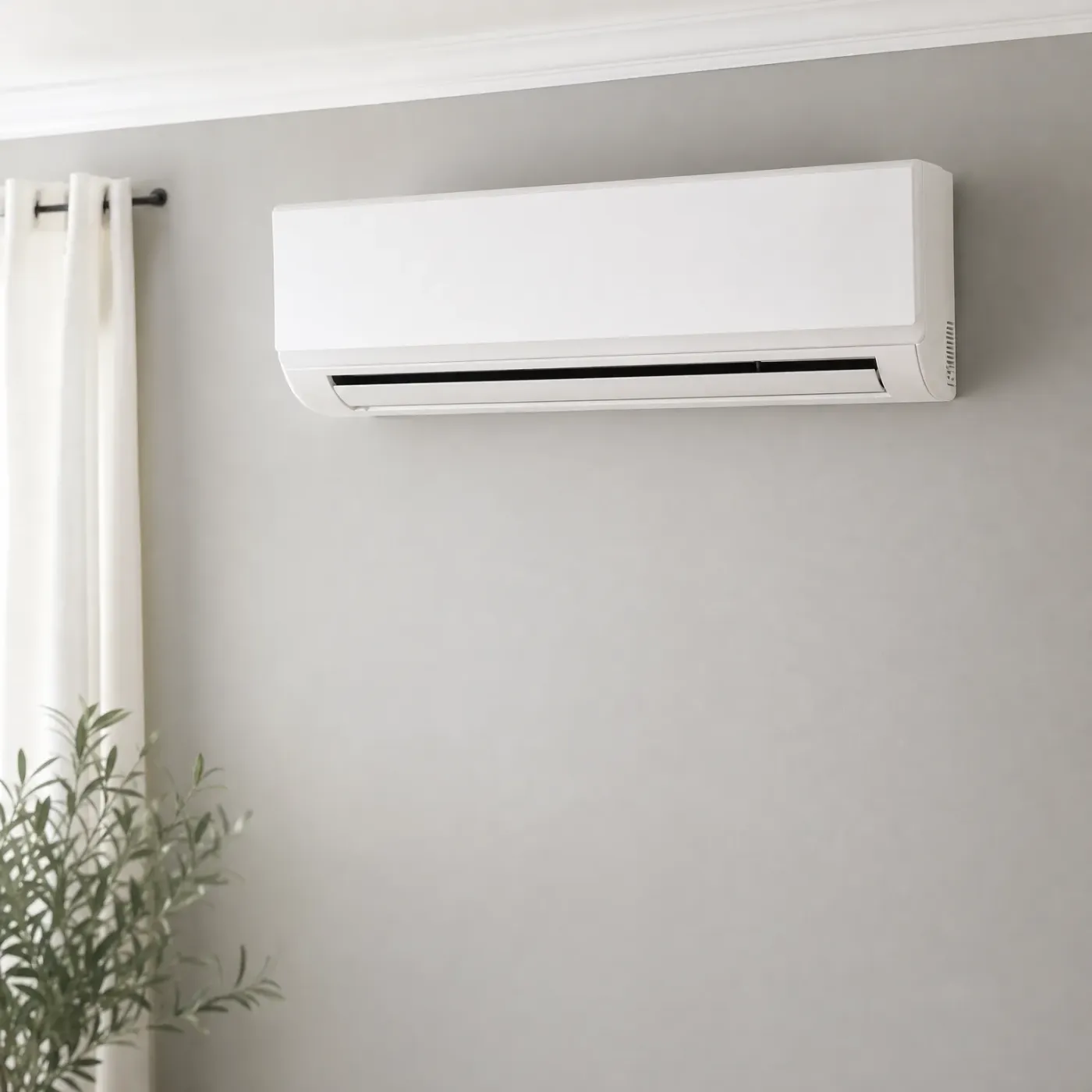
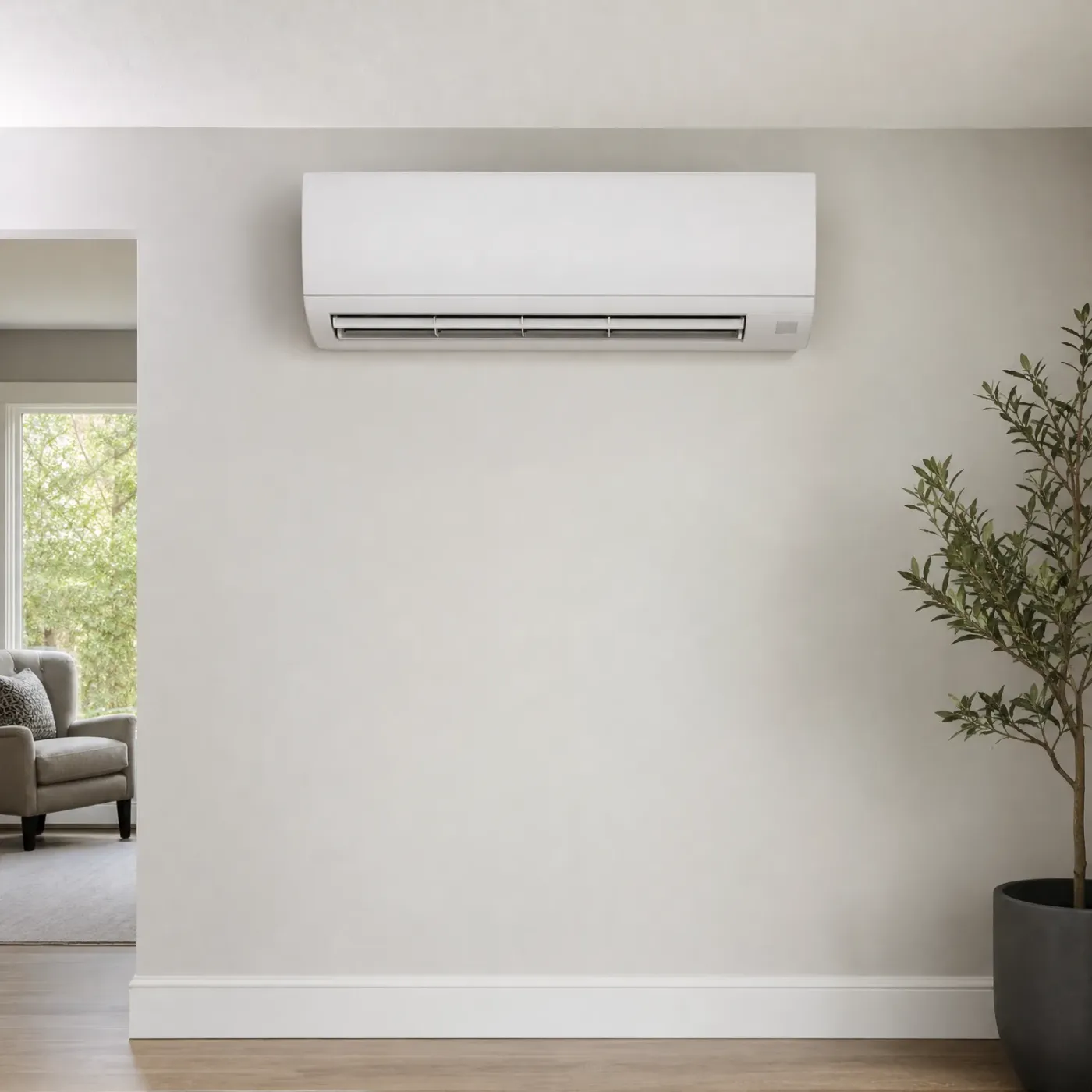
This is what a basement mini split should look like on a January night: running quiet, blowing warm air, no frost on the lines. That takes a cold-climate model picked for your basement and a contractor who sized it to your square footage instead of guessing.
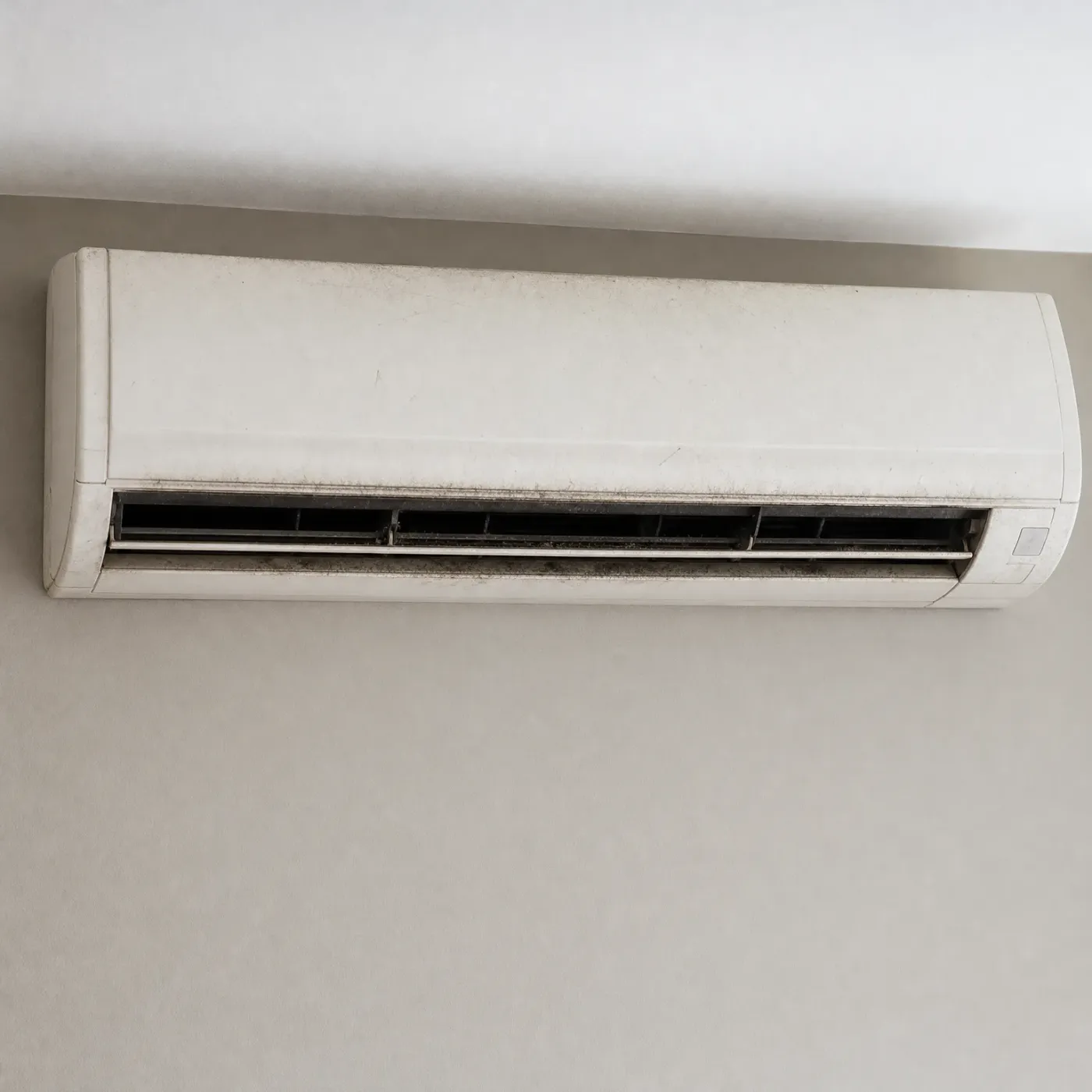
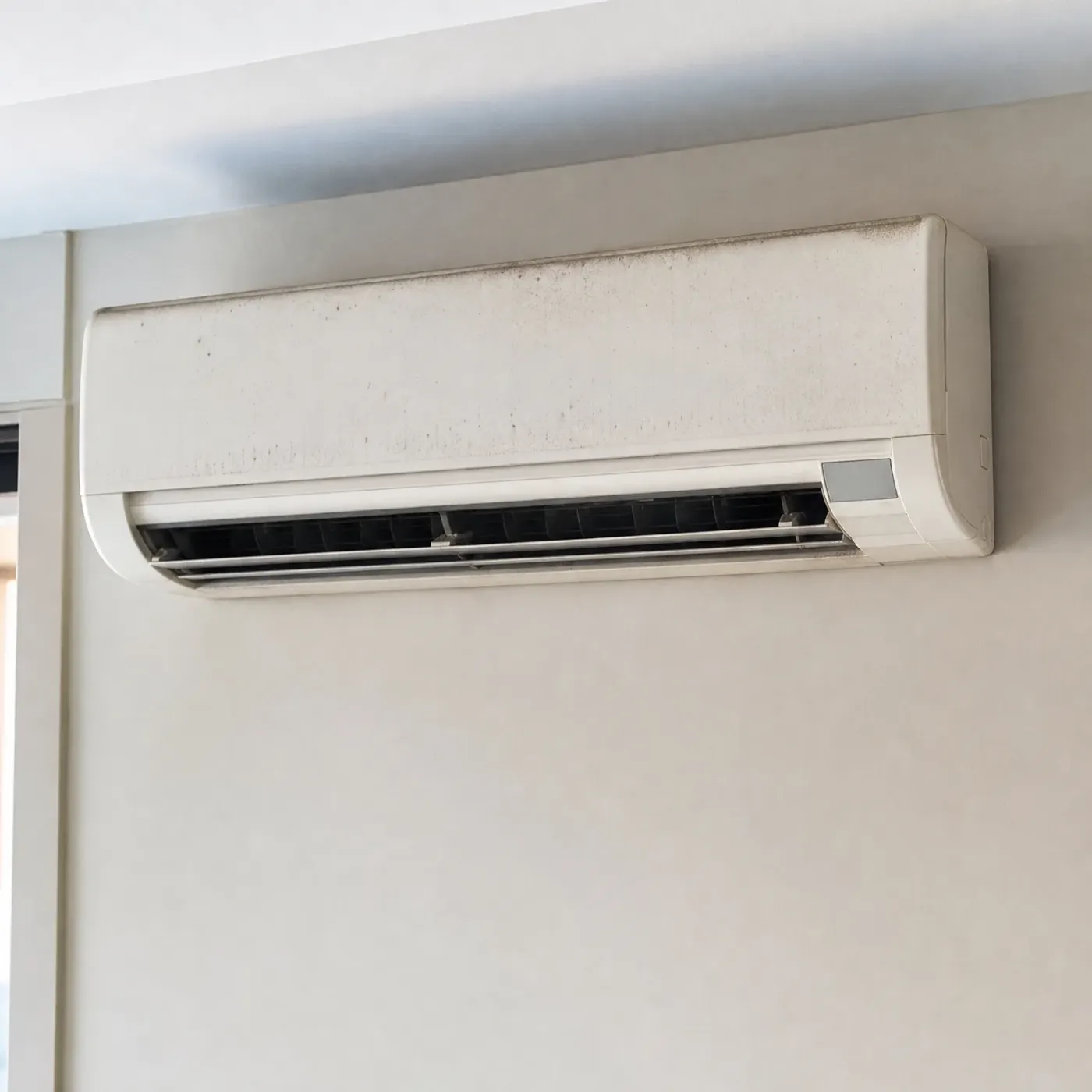
Dust and grime building up along the vents like this usually mean a unit that's been running nonstop, straining to keep a space warm it was never sized for. A contractor who installs these year-round in Iowa basements can tell you which problem you're looking at before it gets worse.
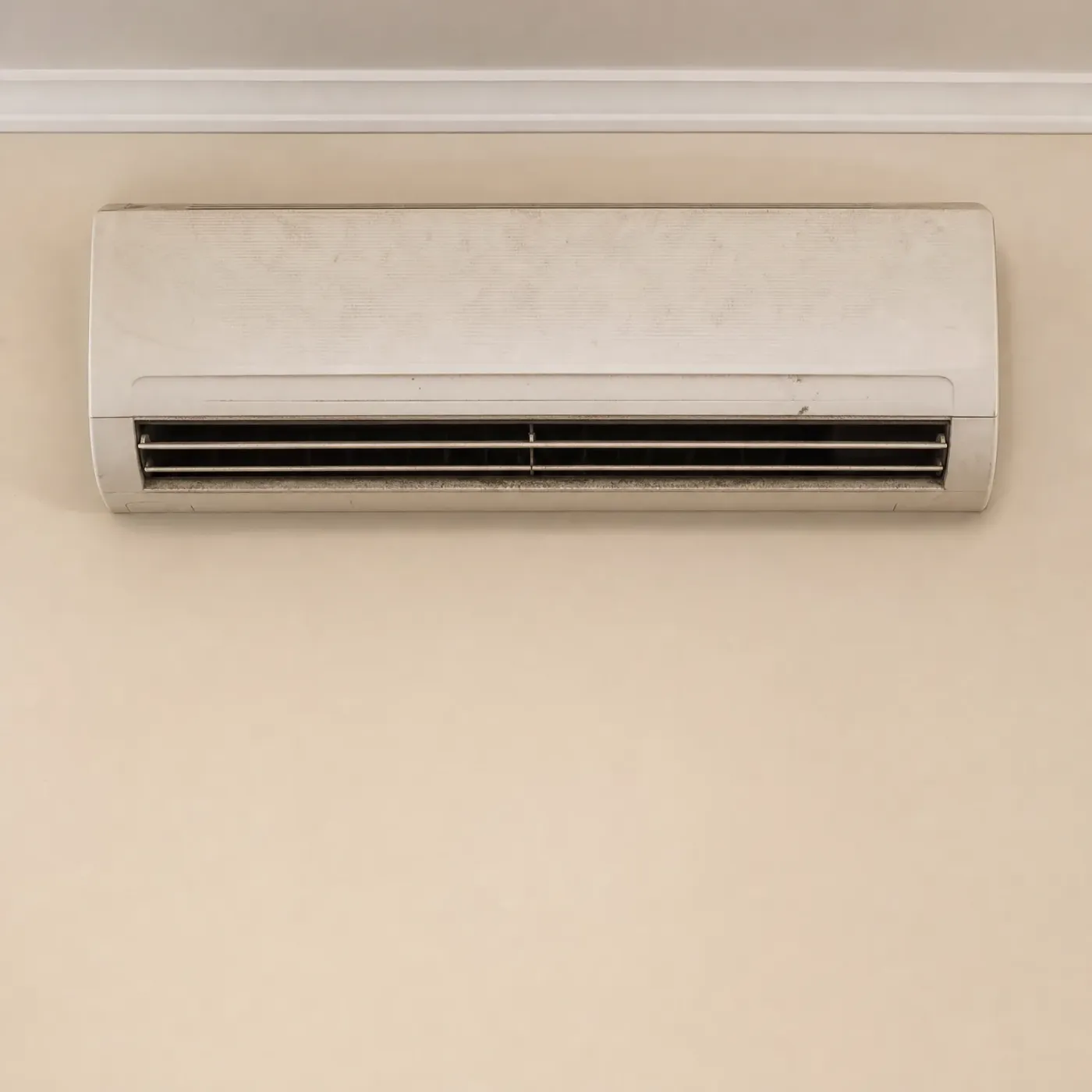
A contractor measures the basement and figures its heat loss.
They pick a cold-climate unit sized to that number.
The indoor head and outdoor compressor get mounted and connected.
Refrigerant lines run between them and get pressure tested.
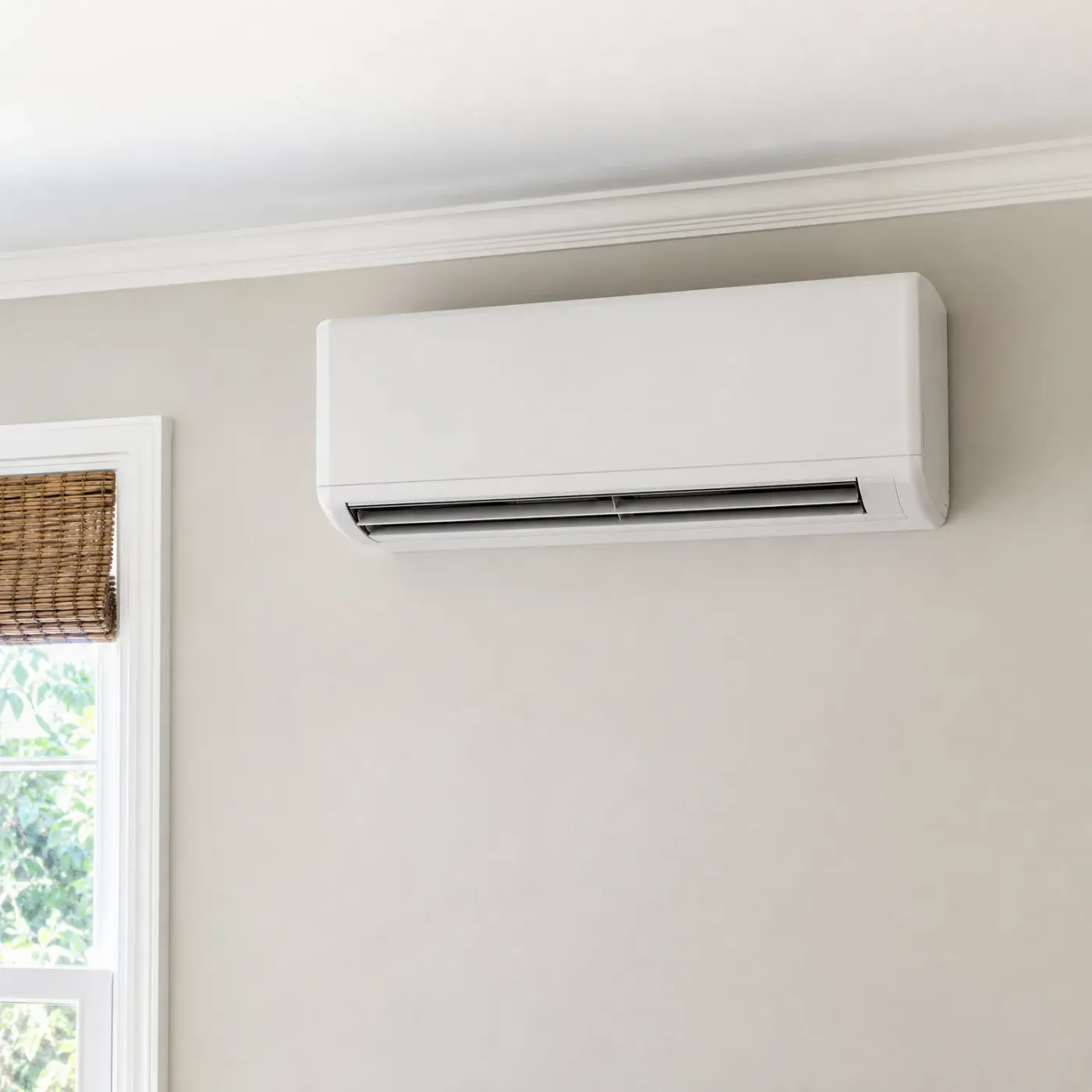
At 13.62 cents a kilowatt-hour, running a mini split through a basement winter costs less to operate than you'd guess from the size of the job. A cold-climate unit sized right won't run up your power bill just because it's working hard on the coldest nights.
EIA-861 2025 statewide residential average
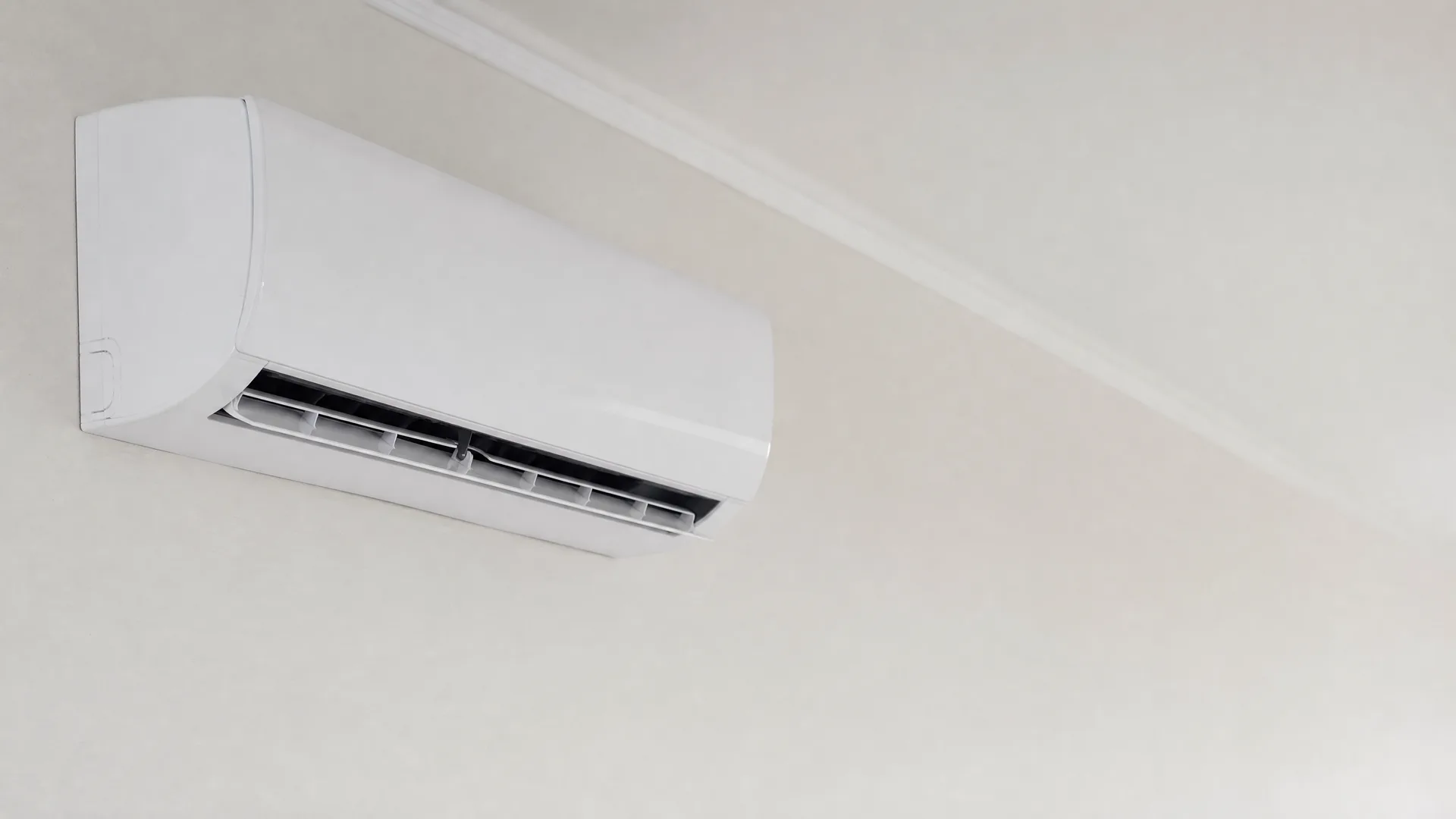
On a night near zero, a basement is already the coldest room in the house. It sits against the ground, it gets whatever heat makes it down the stairs, and it has the least sun of any room you own. A mini split that's undersized or built for mild weather will fall behind exactly when you need it most, and you'll feel it as a basement that never quite gets warm no matter how long the unit runs.
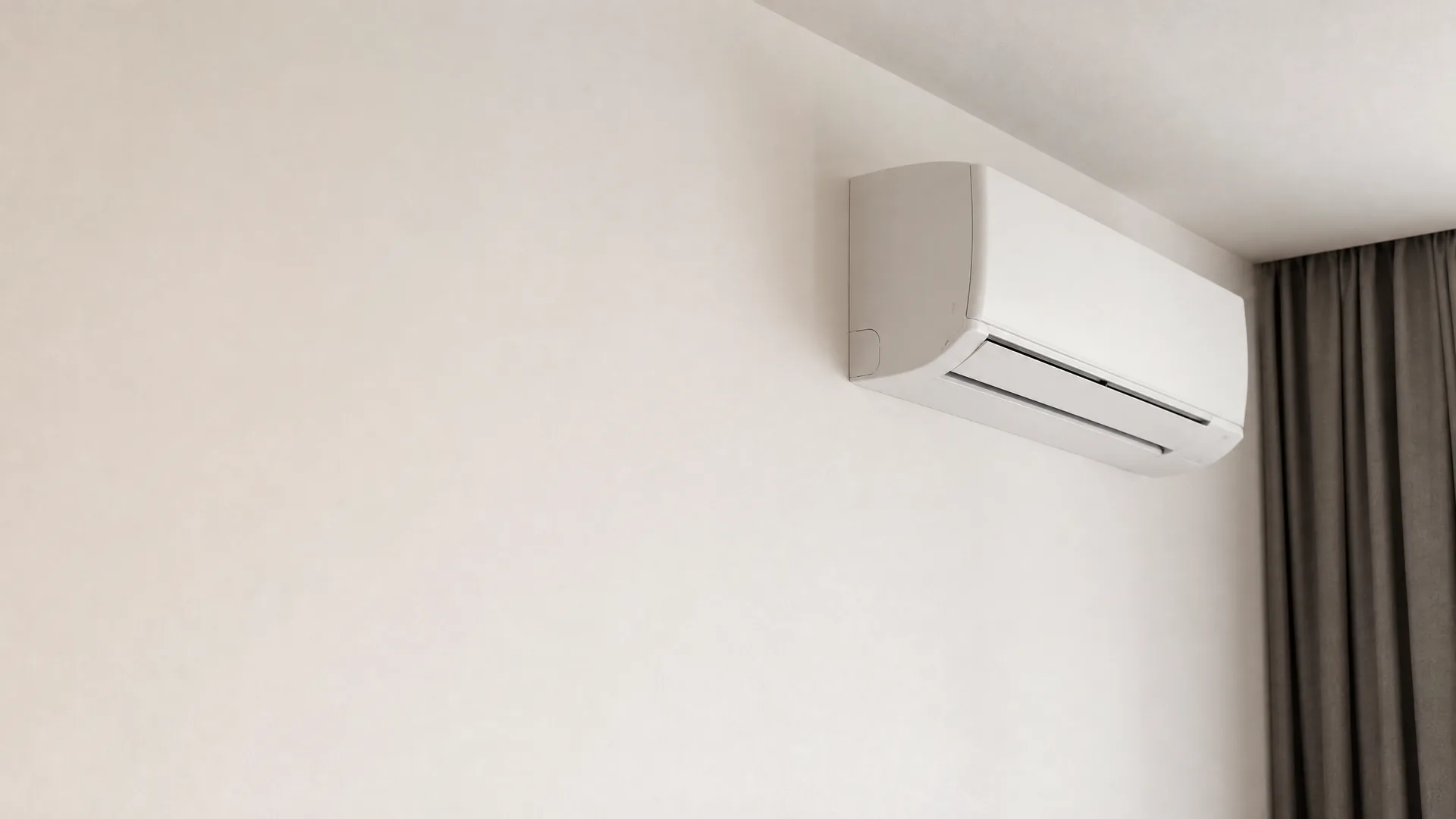
A heat pump that can't keep up doesn't just struggle, it runs constantly trying to close the gap, and that shows up on your power bill even with cheap Iowa electricity. Worse, if the basement is finished or has a bedroom, a system that loses capacity below 5 degrees leaves that space cold on the exact nights you'd want it most, while the rest of the house stays warm on gas.

A basement in Iowa gets cold in a way the rest of the house doesn't, and a mini split that's rated for it, sized for it, and installed correctly will keep up on the nights that matter. That's the whole answer. The brand name on the unit matters less than whether someone ran the heat loss numbers for your basement before picking it.
Finding that someone is the part that takes the time. You'd be calling around to find a contractor who installs cold-climate systems rather than the standard kind, explaining your basement's size and layout to each one, then sitting with quotes trying to figure out which contractor actually knows what they're doing versus which one just wants the job. Asking here puts you in touch with one licensed local contractor who works on these systems all winter, already knows what sizing your basement needs, and gives you one quote to read instead of five to compare.



One installer gets your project, so there's no bidding war over it.
No charge to send it. You decide if you hire them.