
Running the way it should
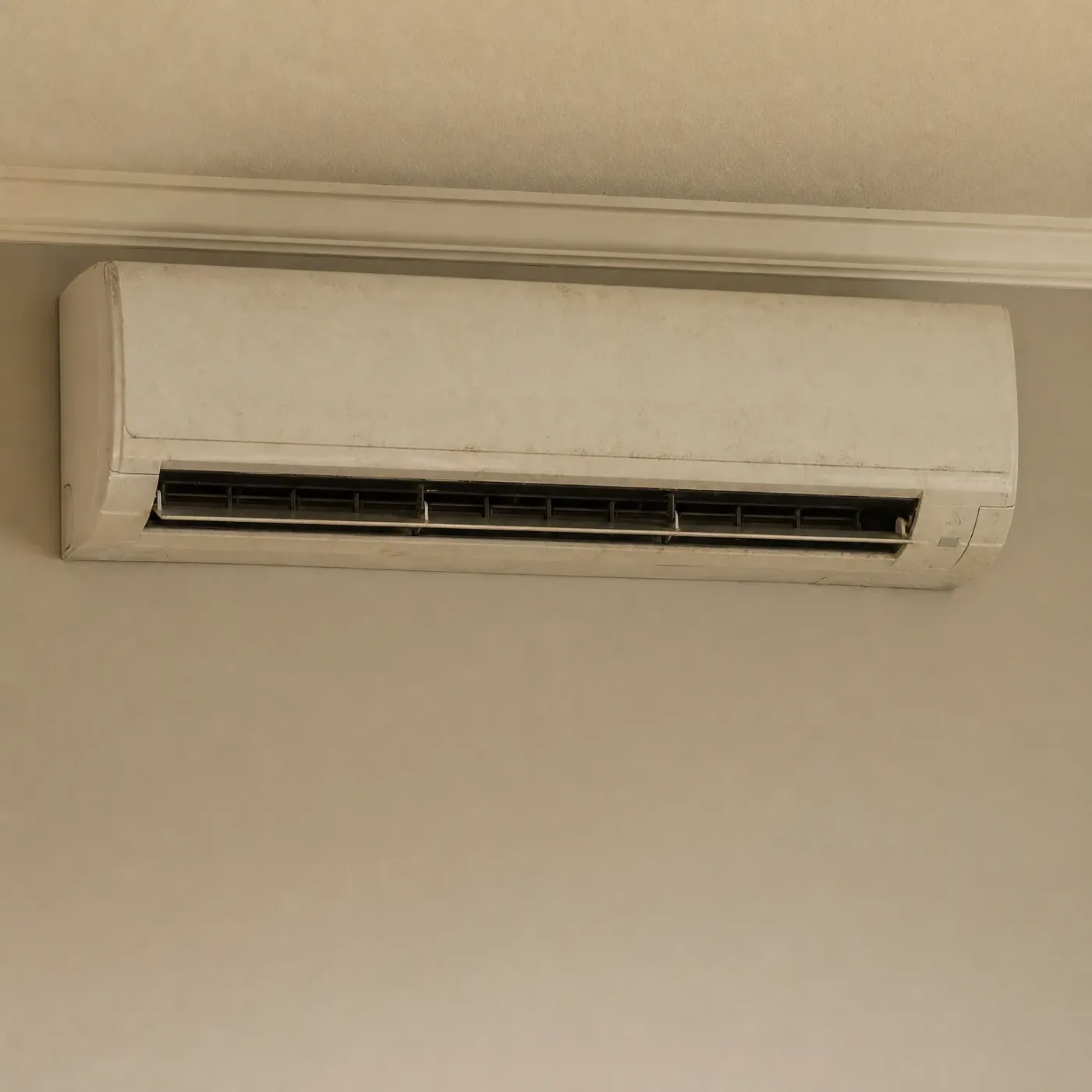
A clean head moves air freely across the room, so it covers the load it's sized for. That's what lets it take over from the furnace on a mild day instead of just adding to what the furnace is already doing.
A local pro for your mini split installation
Most homes in Iowa heat with gas, and power here is cheap, so the math on a mini split isn't the same as it is elsewhere. Whether yours is actually saving you money depends on how you're using it alongside your furnace. If you want a straight answer for your setup, a local contractor who installs these year-round can look at what you have and tell you.
Get matchedA mini split can lower your heating bill, but in Iowa it usually only happens if you're using it to replace furnace runtime, not just add to it. A mini split moves heat instead of burning gas to make it, so on mild days, the 40s and up, it can heat a room for less than your furnace does. The trouble is Iowa winters drop well below that for weeks at a time, and when the outdoor temperature falls, a mini split has to work harder to pull heat from that cold air, so it draws more electricity to do the same job. Since gas is the cheaper fuel here, running the mini split through those stretches instead of the furnace can actually cost you more, not less. The savings show up when you let the mini split carry the shoulder-season days and let the furnace take over once it gets truly cold.
The outdoor unit pulls heat out of cold air
A refrigerant line carries that heat inside
The indoor head blows heat across the room
Below freezing, the compressor works harder for less heat


Look at the room with the mini split in it. If the head is set and left alone while the furnace still kicks on for that room, you're paying for both. Check your gas bill against last year's. If it hasn't moved, the mini split is likely just extra warmth on top of what the furnace already provides, not a replacement for any of it. You might notice the indoor unit running quietly most of the day, fan barely audible, while the furnace still cycles on in the morning and at night. That pattern means the two systems aren't coordinated. It doesn't damage anything, but it does mean the equipment isn't paying you back the way you'd expect.
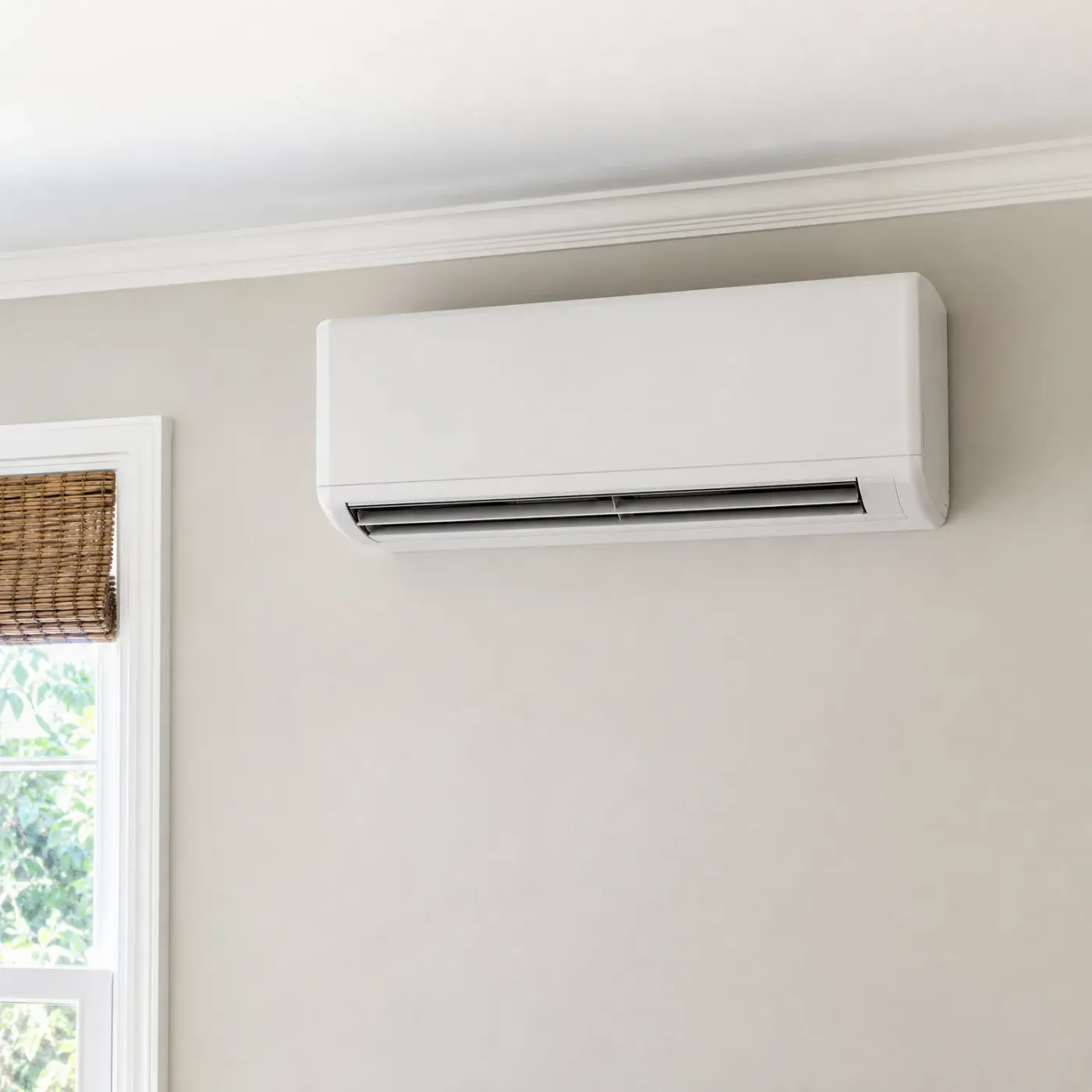
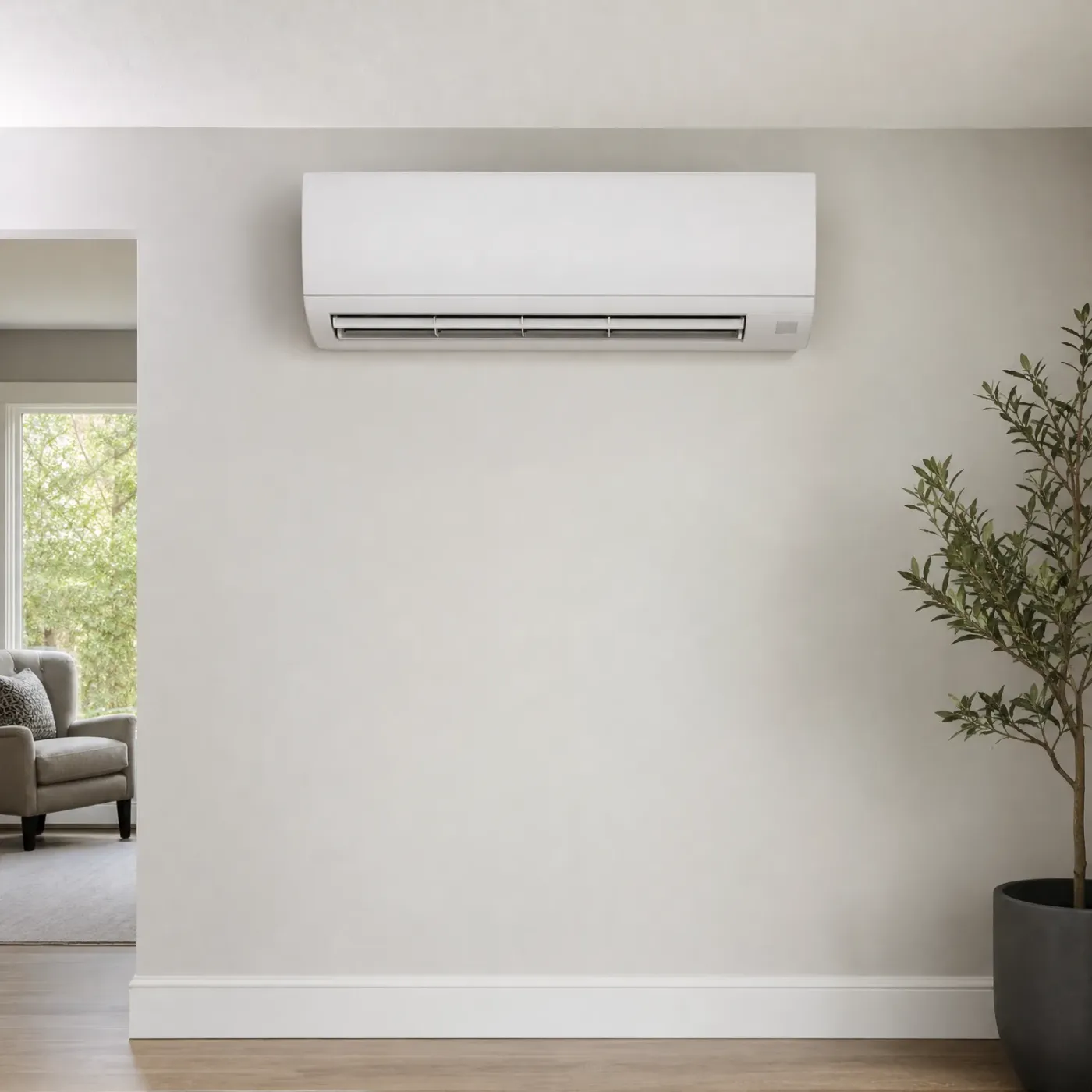
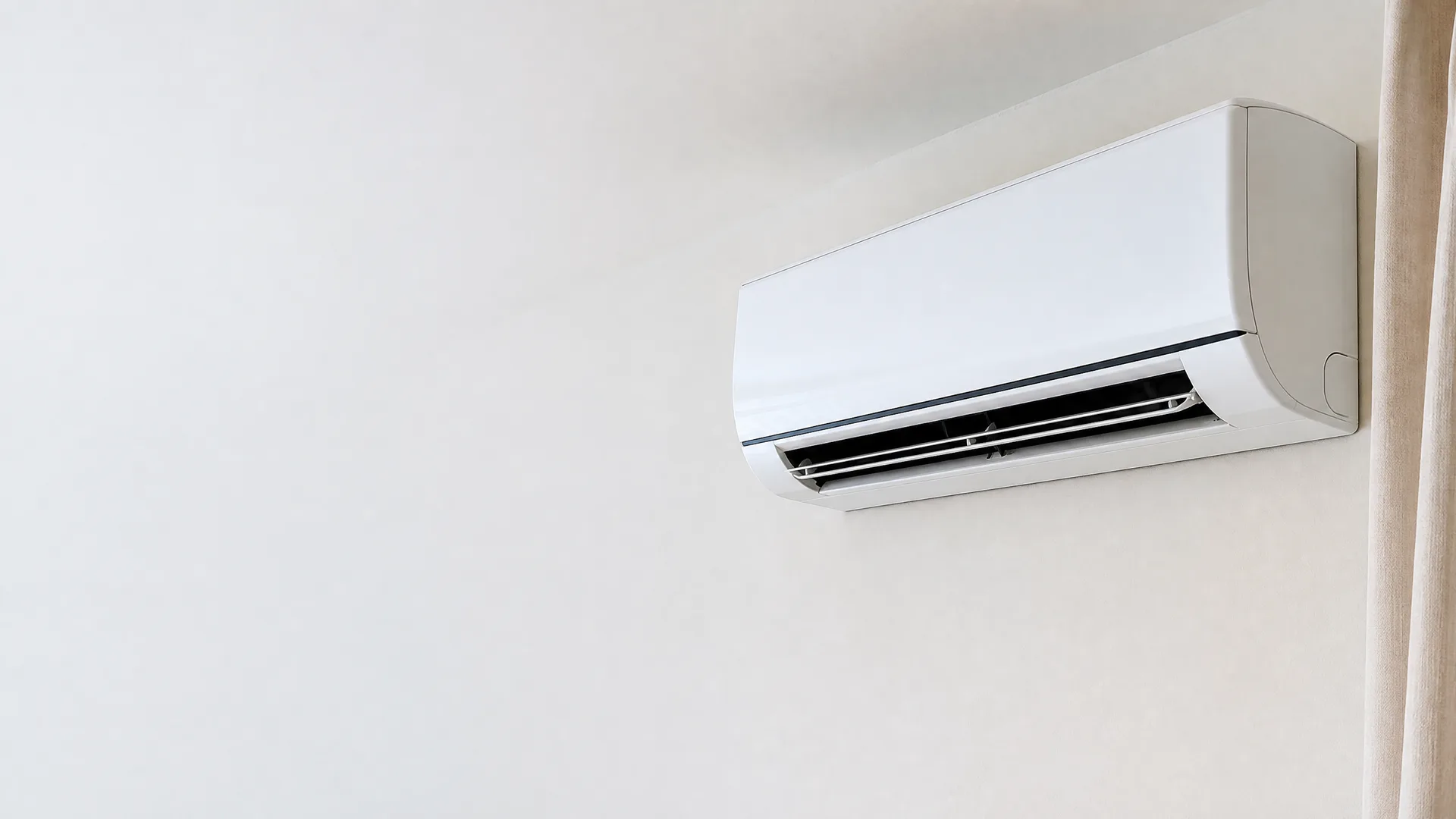
A clean head moves air freely across the room, so it covers the load it's sized for. That's what lets it take over from the furnace on a mild day instead of just adding to what the furnace is already doing.
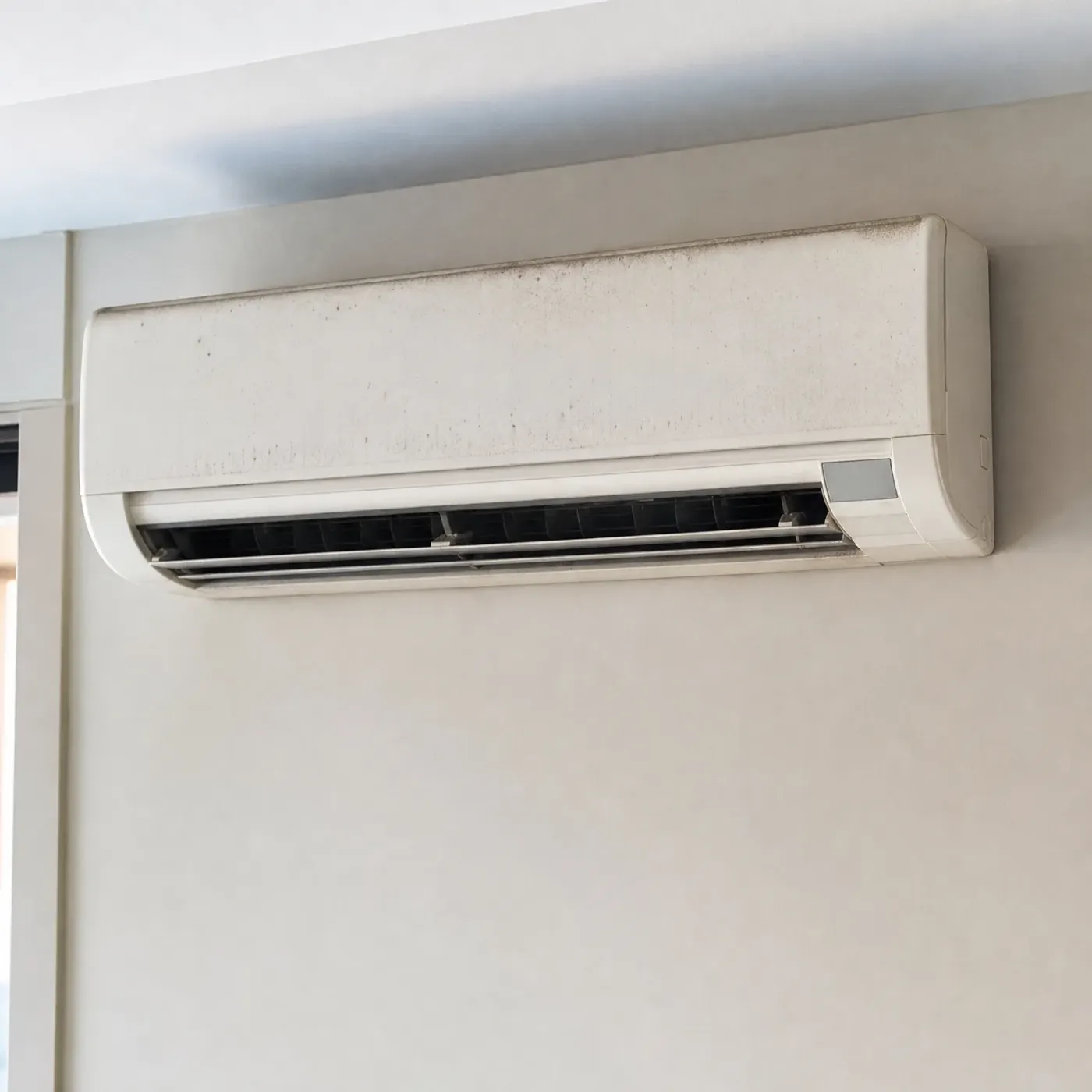
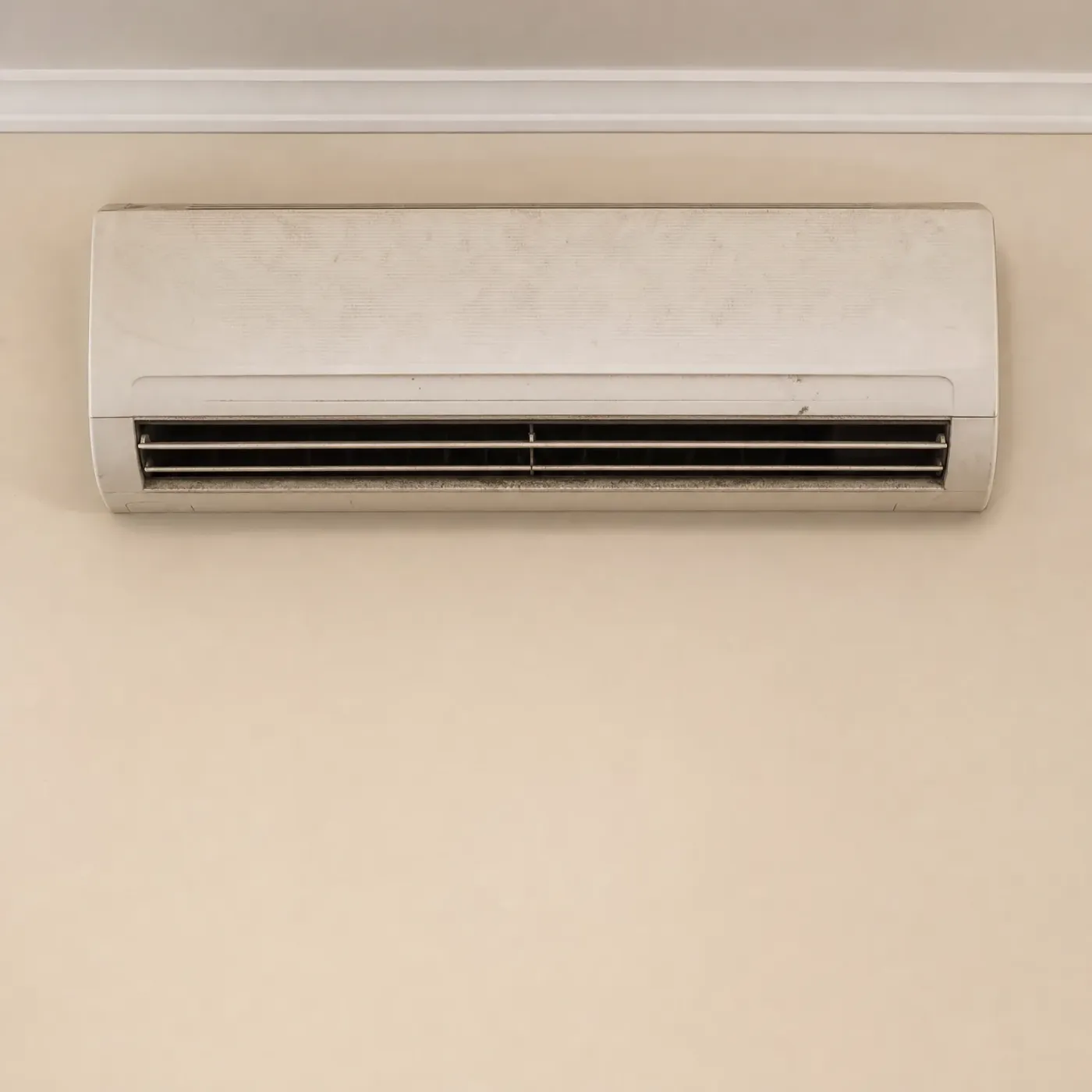
A head this dusty isn't moving the air it used to. It'll run longer to heat the same space, and on a lot of days the furnace ends up carrying the room anyway. At that point you're paying for both and getting less from the mini split.
A mini split doesn't talk to your furnace. There's no shared control between them. So if you've been wondering how the switch happens, the answer is that it doesn't, not automatically. Each one runs off its own logic, and knowing what that logic is tells you why a mini split can end up heating right alongside your furnace instead of in place of it.
A mini split has its own temperature sensor and its own set point, usually on a remote or a small control on the indoor head. Your furnace has a thermostat on the wall running its own schedule. Neither one knows the other exists. If your thermostat is set to 68 and the mini split is set to 70 in the same room, the furnace still fires whenever the room drops below 68, even while the mini split is running. The only thing that actually hands off the load is you, by setting the thermostat lower in that room or turning it back so the furnace stops covering ground the mini split is already heating.
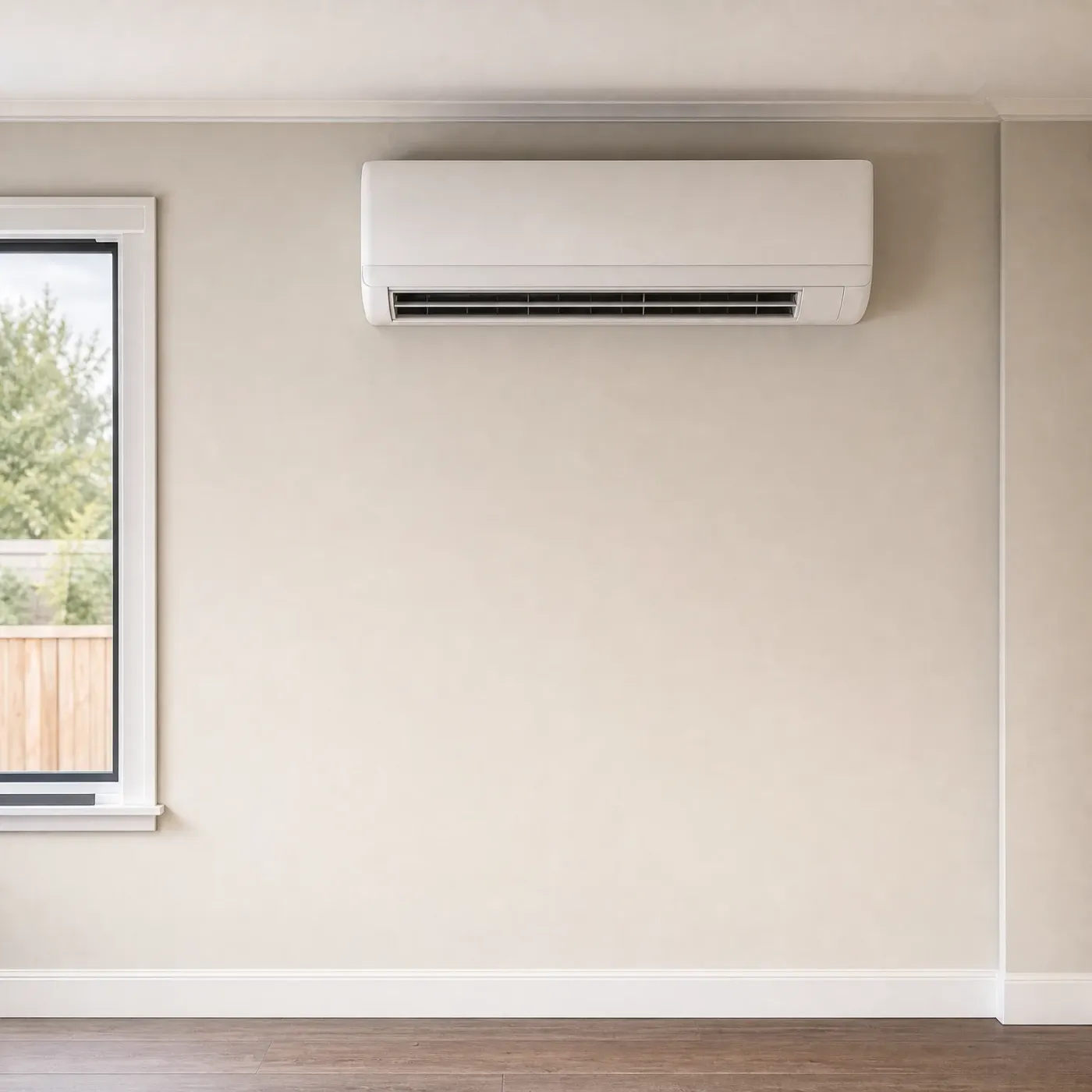
At 13.62 cents a kilowatt-hour, running the mini split on electric resistance alone would cost more than most Iowa furnaces burning gas. The savings only show up when the compressor is doing the heating, not backup coils, and when it's actually replacing furnace runtime instead of adding to it.
EIA-861 2025 statewide residential average




Your request goes to one pro, not a list of companies.
Sending the form costs nothing.

That dew point number everyone feels in July is a summer fact, but it still matters to how your mini split heats in winter. Averaged across June, July and August, the air in Iowa sits at a dew point of 62°F, heavy enough that the outdoor unit works to pull moisture as well as heat out of the air whenever it runs in cooling mode. A coil that's been wet all summer and left dirty holds less heat come fall. That's part of why a head that moved plenty of air in August can struggle to cover the same room in November, and why the furnace ends up picking up load that the mini split should be handling on its own.
Source: NOAA
NASA POWER T2MDEW county cells weighted by homes
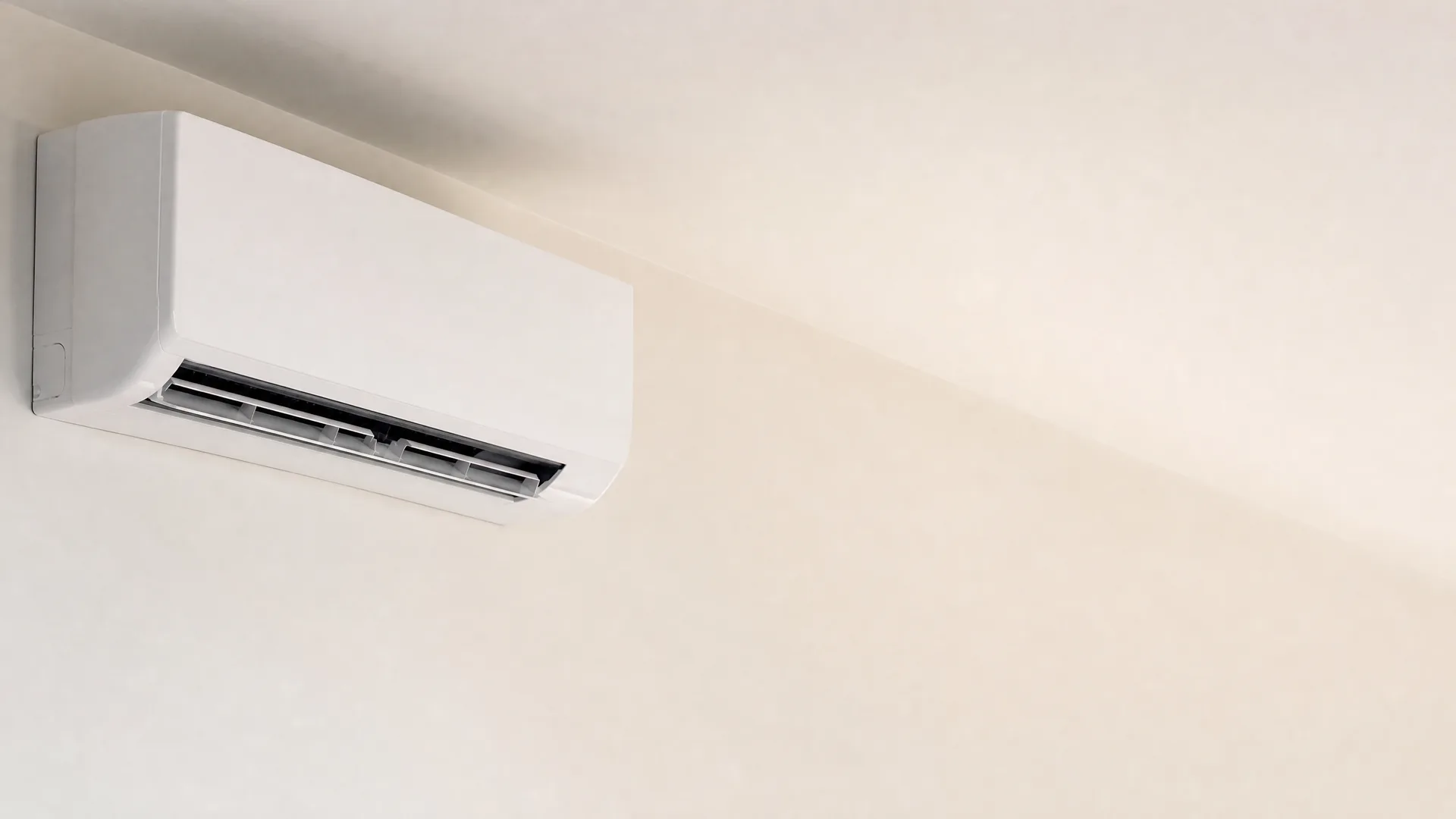
A lot of these go into additions or finished basements that never got tied into the furnace's ductwork. Here the mini split is the only heat in the room, not a second source competing with the first. Every bit of heat it moves is heat the furnace was never going to supply anyway. There's no runtime to compare against, no furnace cycle to take over from. The bill either reflects a warm room now or it doesn't, and that's a cleaner read than trying to split credit between two systems.
When the mini split goes into a room the furnace already heats, the two are working the same space. If the thermostat for the furnace still calls for heat in that zone, it'll run whether the mini split head is on or not, since the furnace doesn't know the head exists. You end up paying for electricity and gas both, for the same square footage. That only shows up as savings if someone turns the furnace vent down or closes it off in that room, and most people never do.

In Iowa, a mini split lowers your heating bill when it's doing real work in a room your furnace used to carry alone, and it doesn't when it's running alongside a furnace that never stopped covering that space. Nothing about the unit itself decides which one you get. That comes down to how it's set, how clean the head stays, and whether the furnace actually backs off when it's on.
If you've read this far and you're still not sure which one describes your setup, that's worth sorting out before another gas bill comes in. A local contractor who services mini splits through an Iowa winter has seen both cases often enough to tell quickly which one is yours, and whether the fix is a setting, a cleaning, or something more. You'd be matched with one contractor for your situation, not a handful competing for the job, and that person would follow up directly.

One installer gets your project, so there's no bidding war over it.