






How cold is too cold for a mini split in Iowa

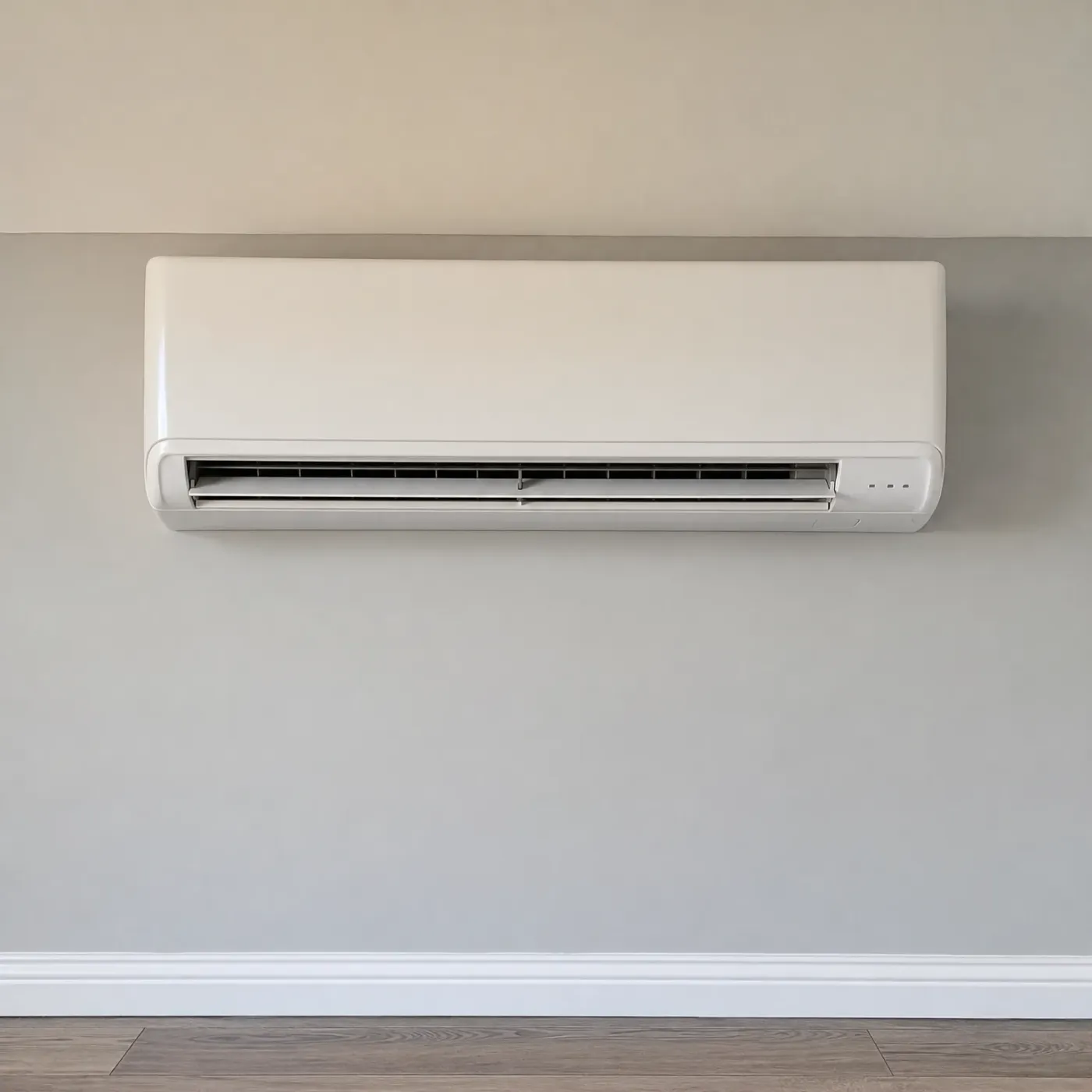
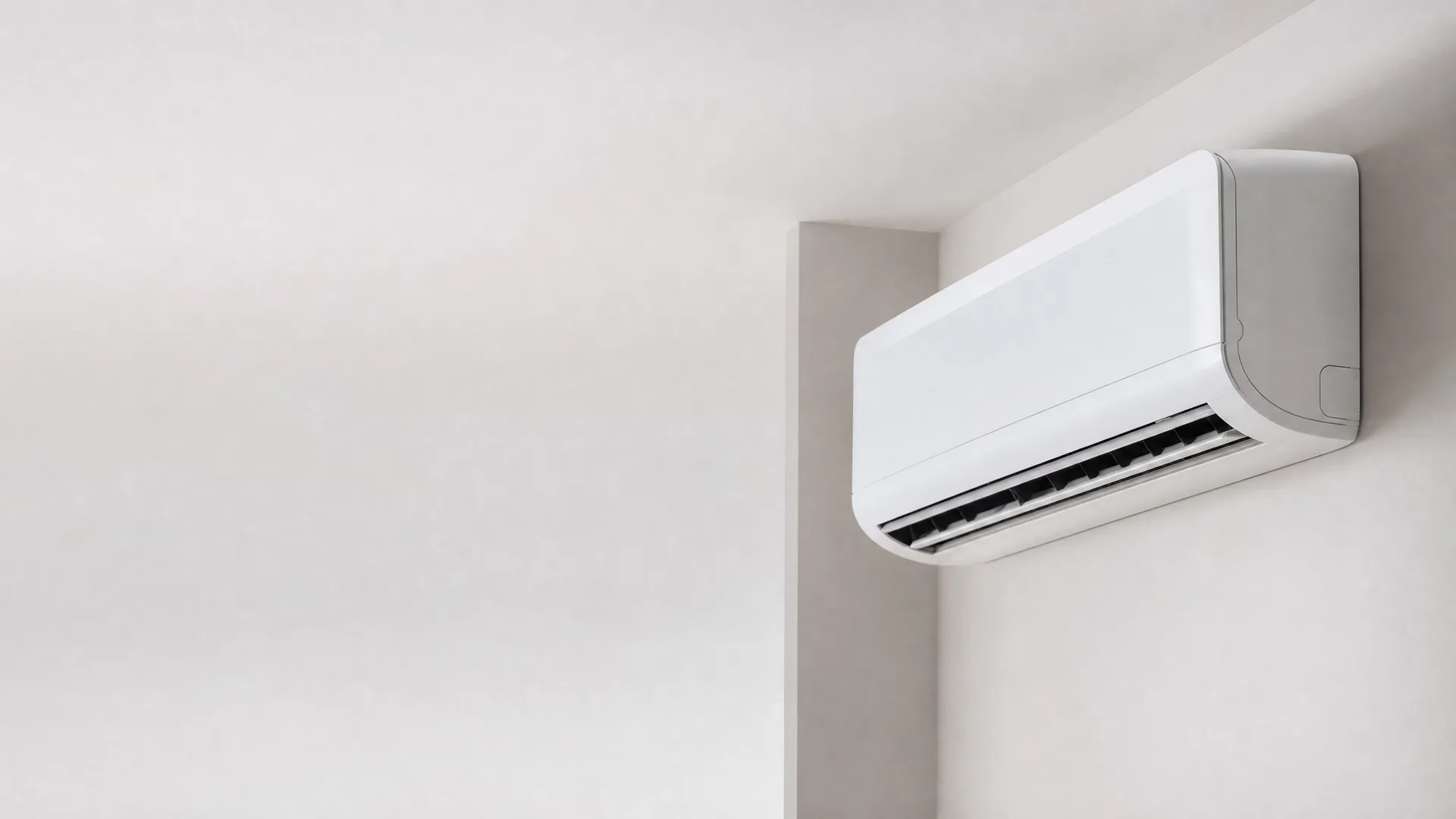
A white wall-mounted mini-split air conditioner indoor unit centered against a plain light gray background.
Get matched

Most mini splits start losing real heating power somewhere around 5 degrees Fahrenheit, and below that the unit works harder to pull less warmth out of the outside air. That's a real concern in Iowa, where overnight lows through January and February routinely drop into single digits or below zero. A standard mini split isn't built for that kind of cold. Cold climate models are different. They're built with better compressors and defrost cycles that keep pulling heat down to around minus 15 degrees, and some keep working below that. If you already have a standard unit and you're in Iowa, it's probably backing up a gas furnace for the coldest stretches, not running the house on its own. If you're putting one in new, the cold climate version is what makes sense here, since a regular unit will leave you cold on the nights you need it most.

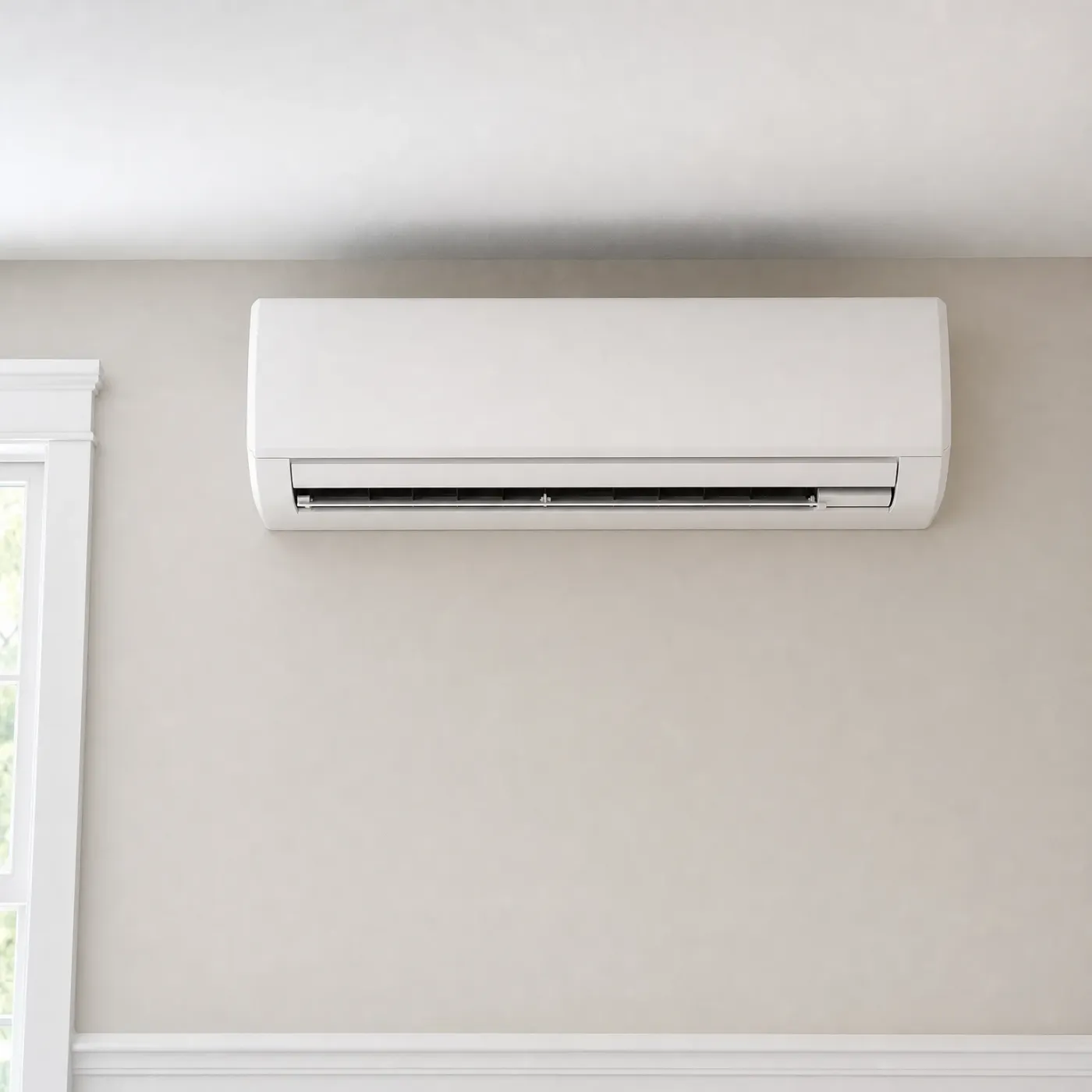
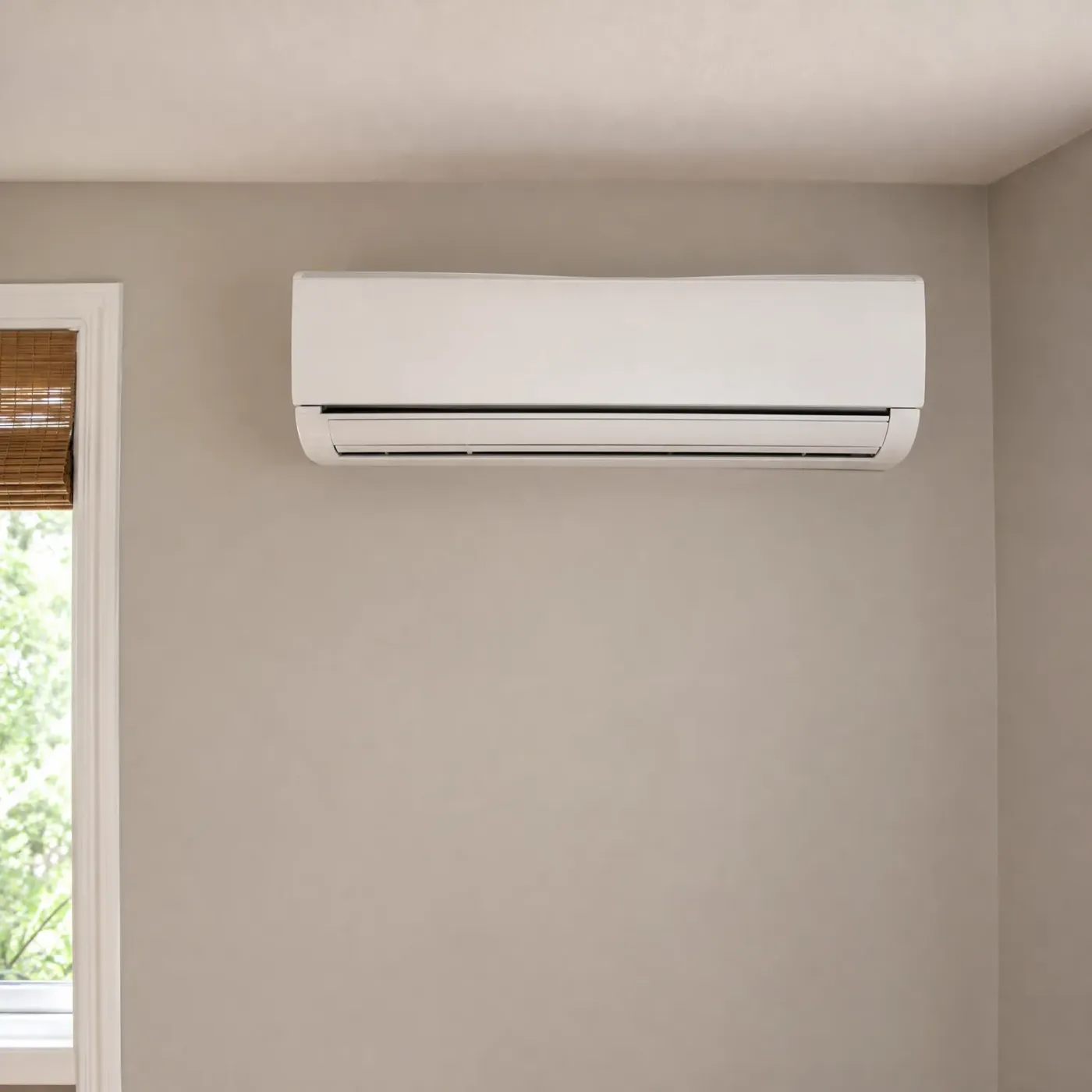
A white wall-mounted mini-split air conditioner installed high on a beige interior wall near the ceiling, with a white-framed window at the left edge.
Above 5 degrees or so, the mini split still pulls enough heat from the outside air to carry the room on its own.
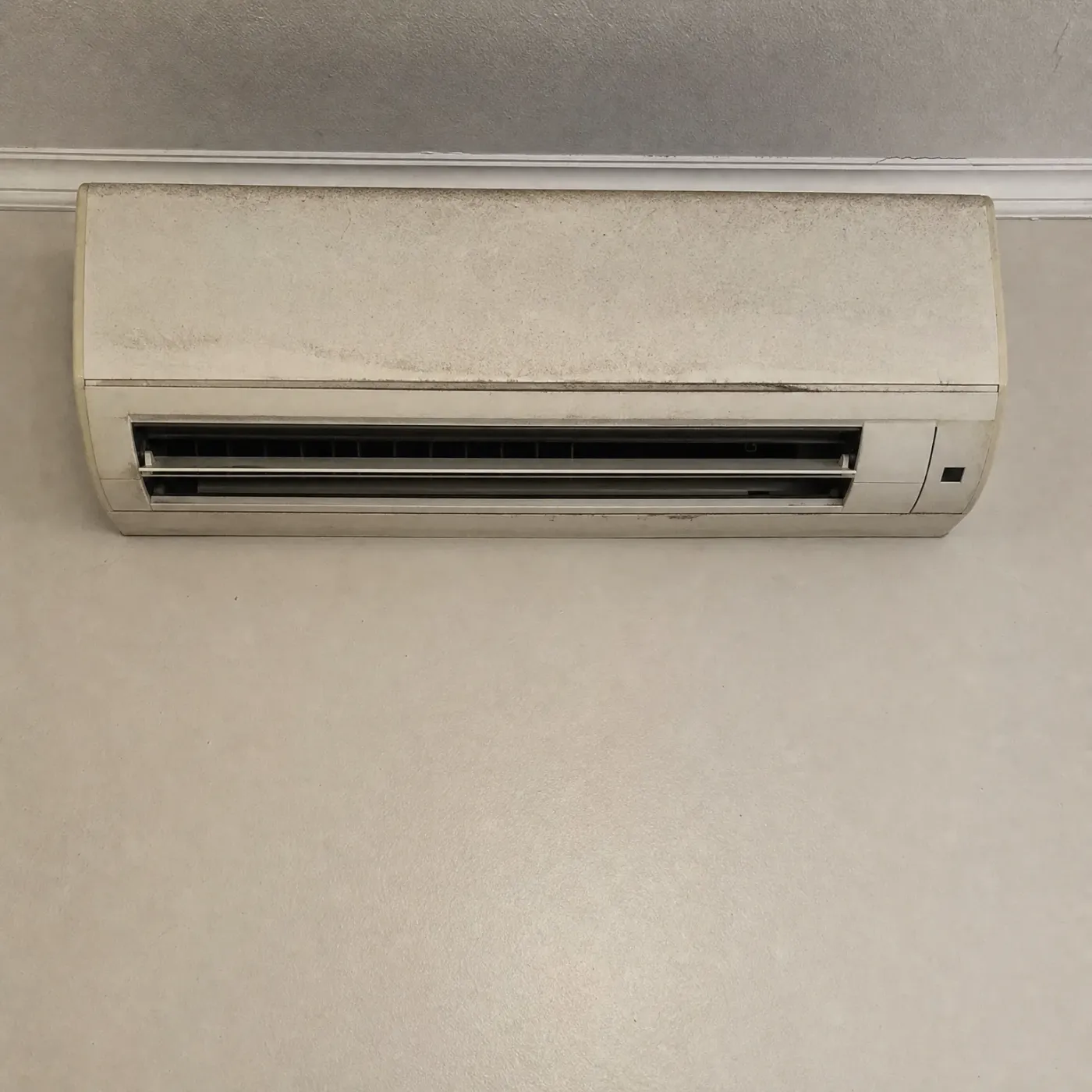
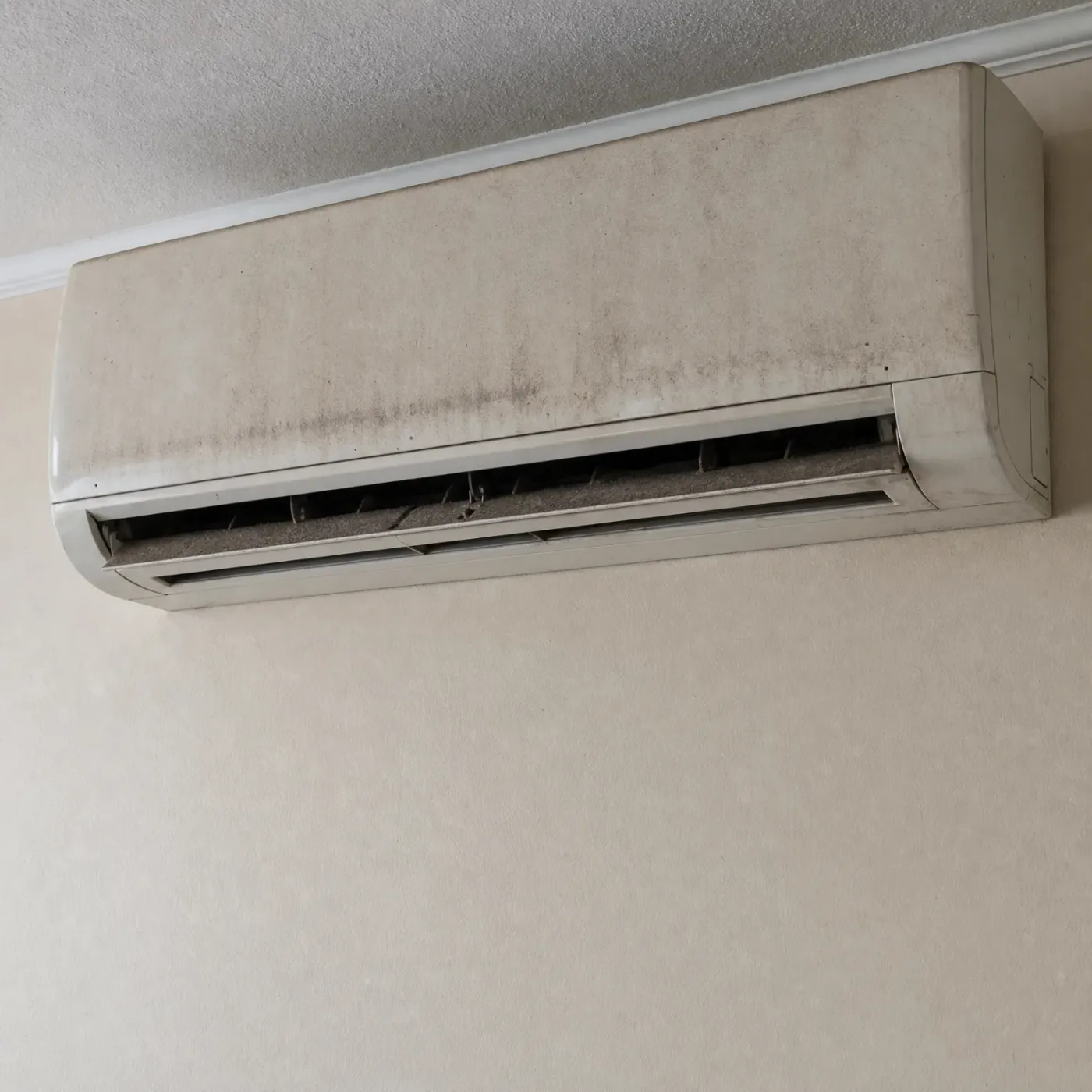
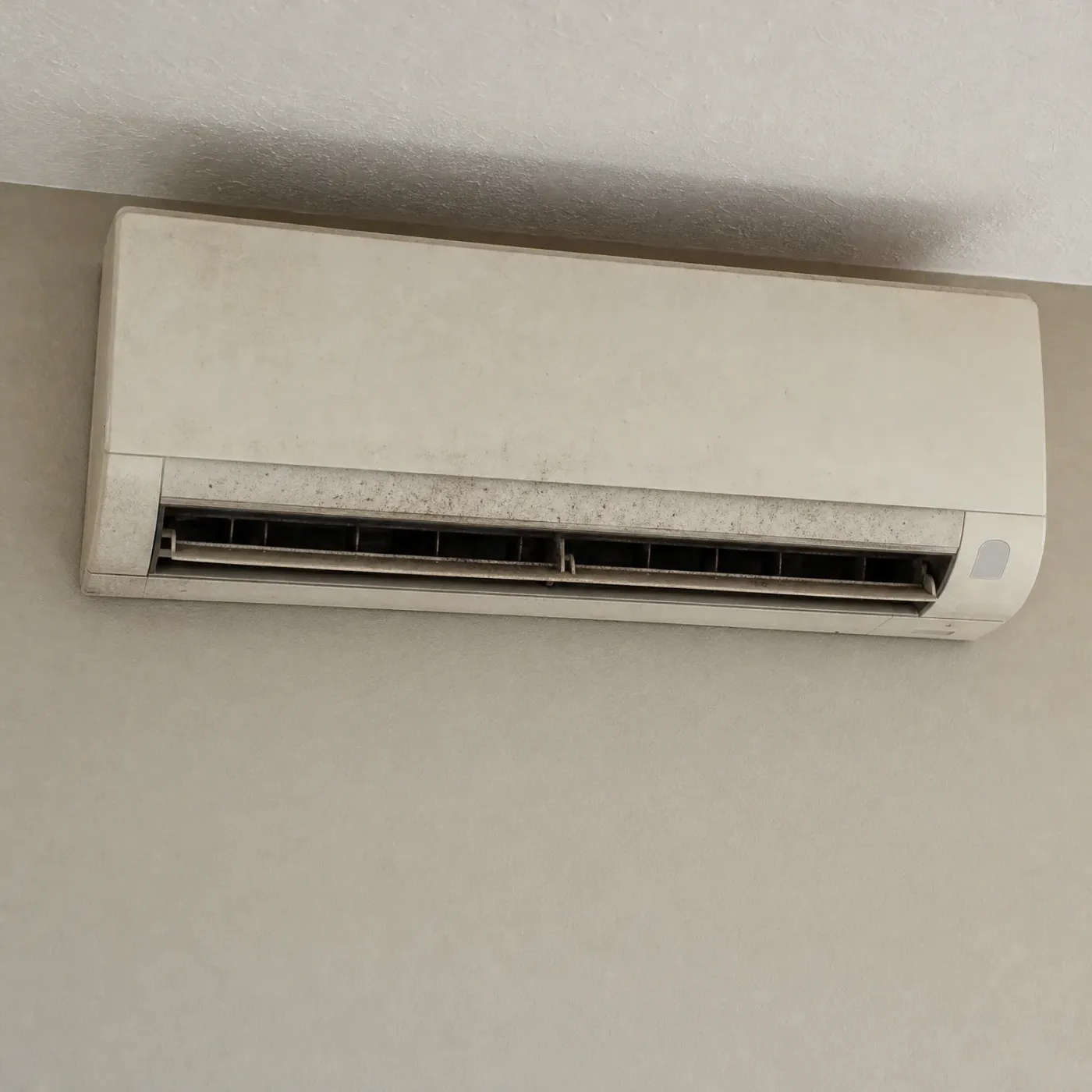
A dusty, stained wall-mounted mini-split air conditioner indoor unit near the ceiling on a plain beige wall, with visible lint buildup at its intake grille.
Once the casing looks like this, dirt and grime are choking airflow, and cold snaps will find that weak spot first.

The outdoor unit doesn't just stop working at a set temperature. As it drops, the compressor has to work longer to pull the same heat out of thinner, colder air. Cold climate systems are built for this and can keep producing heat well below zero, but the output drops off as the temperature does. Part of that is the defrost cycle. The outdoor coil gets colder than the air around it and frost forms on it, so the system stops heating for a few minutes, runs in reverse to melt that frost off, and blows cool air into the room while it does. That's normal, not a malfunction. Where it becomes a real problem is below the unit's rated minimum, often somewhere around negative 5 to negative 13 degrees depending on the model. Past that point the compressor can shut itself down rather than risk damage running outside its range. That's why a lot of homes in Iowa pair a mini split with a furnace or other backup source, so the room stays warm on the nights the mini split can't carry it alone.

What happens when it gets that cold

  • Below 5 degrees, the outdoor unit's compressor has to run longer and harder just to pull the same amount of heat from the air.
  • Most mini splits built for cold climates still produce usable heat down to around negative 5 to negative 13 degrees, just at a reduced output.
  • As the outdoor coil gets colder than the air around it, frost builds up, and the system has to pause heating to run a defrost cycle.
  • During defrost, the unit briefly reverses itself and blows cool air into the room before switching back to heating.
  • Below the manufacturer's rated minimum, the compressor can shut off on its own to protect itself from damage.
  • A mini split paired with a backup heat source keeps the room warm through the coldest stretches without forcing the compressor past its limit.
A smiling woman with dark shoulder-length hair in a cream V-neck sweater sits at a marble counter with a glass of red wine, with a kitchen and softly lit living room behind her.
A woman in a dark green sweater laughs while seated at a marble kitchen island with a glass of red wine, with open shelving, cabinets and a living room visible behind her.
A woman with long dark hair in a cream knit sweater laughs while looking off to the side, seated at a counter with a glass of red wine, in a dimly lit living room with a sofa, lamp, framed pictures and houseplant behind her.
A smiling woman with long dark hair in a beige sweater sits at a marble kitchen counter with a glass of red wine, with a dimly lit living room behind her.

Iowa winters put nights well below 5 degrees for stretches of January and February, so a mini split here will lean on backup heat on those nights whether it's a gas furnace or electric strip.

That's normal operation, not a sign something's wrong. The mini split still cuts the furnace's workload the other nights, and in a state where gas heats most homes, that's where it earns its keep.

A smiling bearded man in a navy crewneck sweater sits at a dinner table with a glass of red wine, plates and glasses in the foreground, in a dimly lit room with a lamp and framed picture behind him.
A woman in a dark gray sweater reclines on a light sofa with eyes closed and a slight smile, under a textured gray blanket with an open book resting on her lap, with a lit table lamp and plant in the background.

What a hard cold snap means at home

On a night in the teens below zero, the mini split in your living room will keep running, but it won't keep up by itself. The air coming out of the indoor head will feel cooler than it did in November, and the gas furnace will be doing most of the real work. You might notice the room nearest the mini split holding steady while a back bedroom or a space with no other heat source drifts colder. That's the backup system carrying the load it was sized for. It's worth knowing which rooms in your house depend on the mini split alone, since those are the ones that'll feel a hard cold snap first.

What it costs you to size it wrong

Power is cheap here, so a mini split running flat out on a cold night doesn't hit your bill the way it would somewhere with high electric rates. The bigger risk is comfort, not cost. A mini split sized for shoulder-season heating in a home that leans on it too much in January will leave that room noticeably cooler on the coldest nights, no matter how hard the outdoor unit works. Getting the sizing and the backup heat setup right at installation, matched to how cold it actually gets where you live, decides whether those nights are a non-issue or a recurring complaint about one cold room.

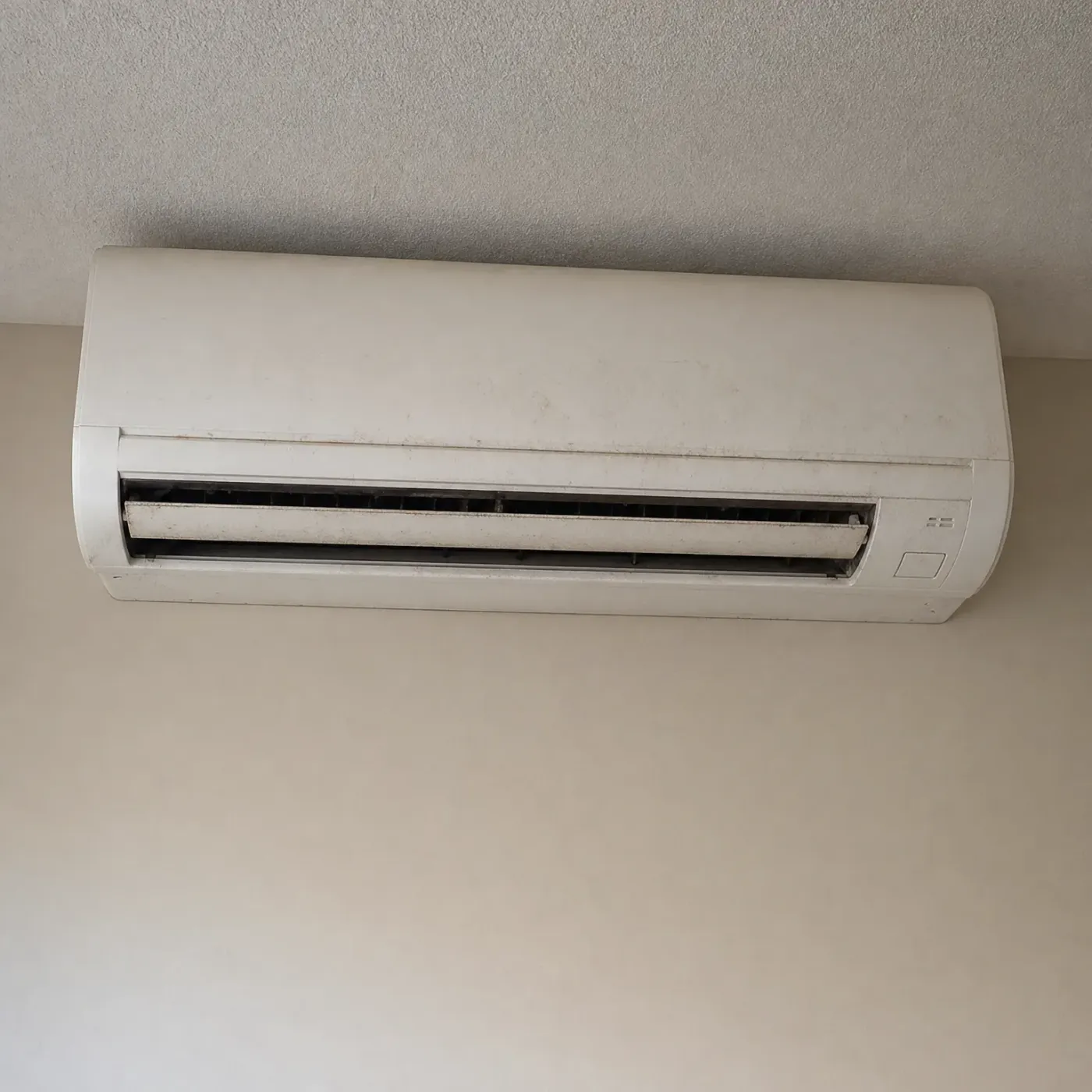
A white wall-mounted mini-split air conditioner indoor unit installed near a textured ceiling on a plain beige wall, with visible dust and discoloration on its casing and vent.
Before you get your mini split installation
A white wall-mounted mini-split air conditioner indoor unit on a light gray wall above a white baseboard and wood-look floor.
After you get your mini split installation

The right pro for this job

Skip collecting and comparing quotes for the new mini split.

You only hire the pro if you want to.

A white wall-mounted mini-split air conditioner installed high on a plain light-colored interior wall near a corner, with a window frame at the left edge.

Running it alone below zero

Some homeowners try to heat straight through a January cold snap on the mini split alone, no backup running. The unit won't shut off or break doing this, but it will fall behind. The room drifts a few degrees cooler than the thermostat says, and the compressor runs close to nonstop trying to close that gap. In a drafty room or one far from the outdoor unit, that gap shows up faster.

A white wall-mounted mini-split air conditioner installed near the top of an interior corner wall, with large blank light-colored wall space to the left.

Letting the furnace take over

Most Iowa homes already have a gas furnace, and pairing it with the mini split means neither one has to do the whole job on the coldest nights. The furnace picks up what the mini split can't pull from outside air once temperatures drop well below zero, then steps back once things warm up. The mini split goes back to carrying the load on its own, and the furnace sits idle until the next hard freeze.

Why does the room feel cooler on the coldest nights

You'll notice it on the nights the temperature really drops. The air out of the indoor head feels cooler than it did a few weeks earlier, and the unit seems to run nonstop without the room quite catching up. That's the mini split losing capacity in the cold, not breaking down. If your house heats with gas, the furnace should be picking up the difference on those nights, and you may hear it cycle on more than usual. If the mini split is the only heat in that room and nothing backs it up, the room can sit several degrees under the thermostat setting until the outdoor temperature climbs back up.

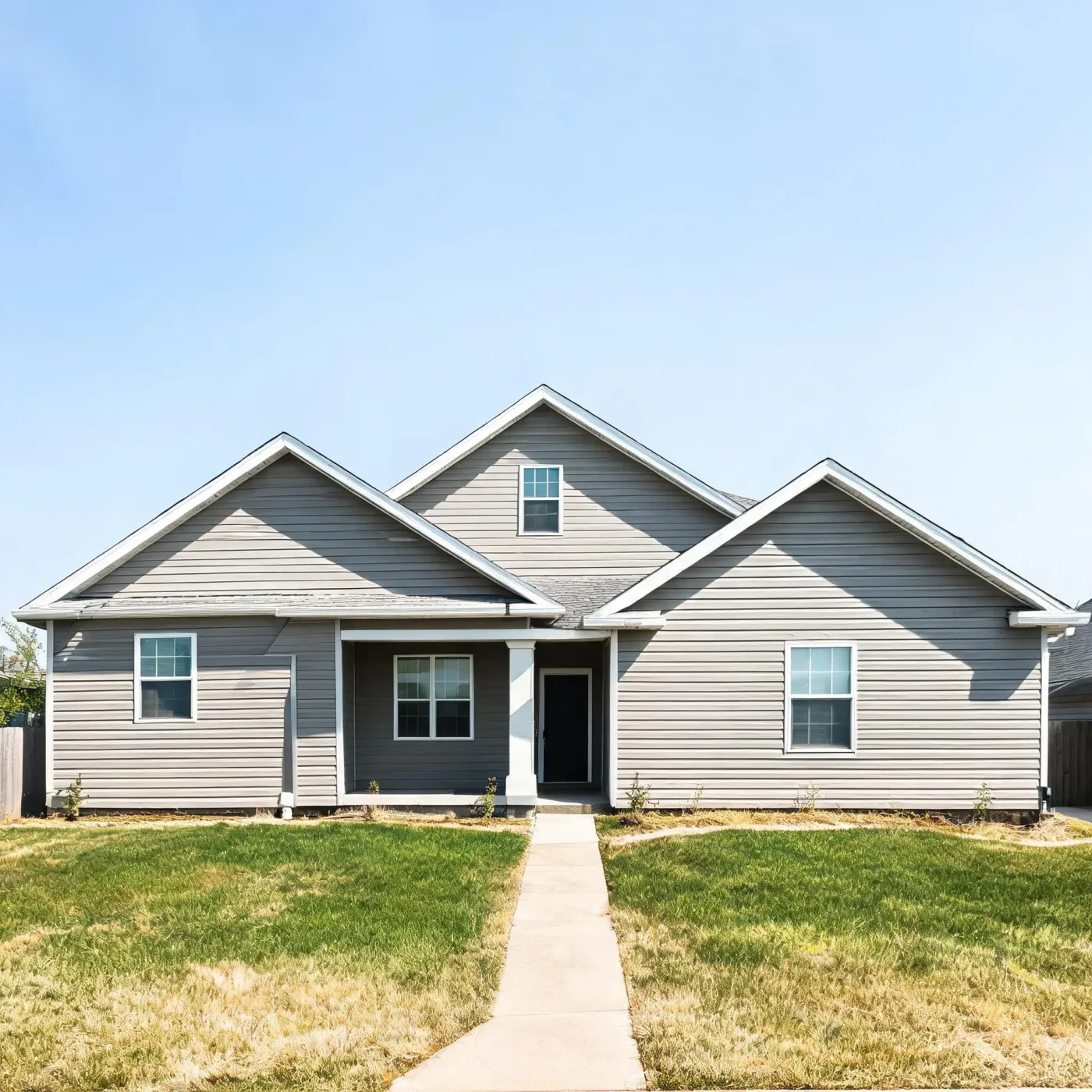
A single-story gray horizontal-siding house with multiple front-facing gables, white-trimmed windows, a dark front door, and a concrete walkway crossing a partly dry lawn under a clear blue sky.

Summers here bring a dew point that averages 62°F across June, July and August, per NOAA. That's heavy, sticky air, the kind that sits on your skin even after the sun goes down. A mini split pulls double duty on nights like that, not just cooling the room but wringing that moisture out of it. You'll notice the indoor head running longer stretches than the thermostat number alone would suggest, because it's working on humidity as much as temperature. A unit sized and installed right handles that load without falling behind. One that isn't will leave the room feeling cool but still damp.

NASA POWER T2MDEW county cells weighted by homes

Should I get a mini split with a backup heat kit for Iowa winters

Should I get a mini split with a backup heat kit for Iowa winters

Pair it with the furnace you already have, not a separate heat kit

Most homes in Iowa heat with gas, and that furnace is the backup a mini split needs here. Below 5 degrees the outdoor unit can't pull enough heat from the air by itself, so the system needs something to carry the load on those nights. An electric heat kit can do that job, but it runs on electric resistance heat, which costs more to run than a gas furnace already sitting in your basement. The setup that makes sense for most Iowa homes is a mini split sized for three-season comfort, working alongside the existing furnace for the nights it can't keep up on its own. A contractor who installs mini splits in Iowa can size that pairing to your house.

A white wall-mounted mini-split air conditioner installed near the ceiling on a beige interior wall, with a window and bamboo blind at the left edge showing green foliage outside.

Clean unit, steady heat

A mini split with a clear filter and open vents moves the air it's rated for. In a cold snap the indoor head can pull the full heat the outdoor unit is producing, so the room holds its temperature as well as the equipment allows on that night.
A wall-mounted mini-split air conditioner indoor unit with discolored casing and dusty vents, installed near the ceiling on a plain light-colored wall.

Dirty unit, losing ground

Dust packed into the front panel and louvers cuts how much air moves through the head. On a mild night you might not notice. Below 5 degrees, when the unit is already working harder for less heat, that lost airflow is the difference between keeping up and falling behind.

Power costs 13.62 cents per kilowatt-hour statewide

At 13.62 cents a kilowatt-hour, running the mini split on the mild nights, and leaning on backup heat only when it really drops below 5 degrees, keeps your bill in check. The furnace picking up the hardest nights matters more for comfort than for cost here.

EIA-861 2025 statewide residential average

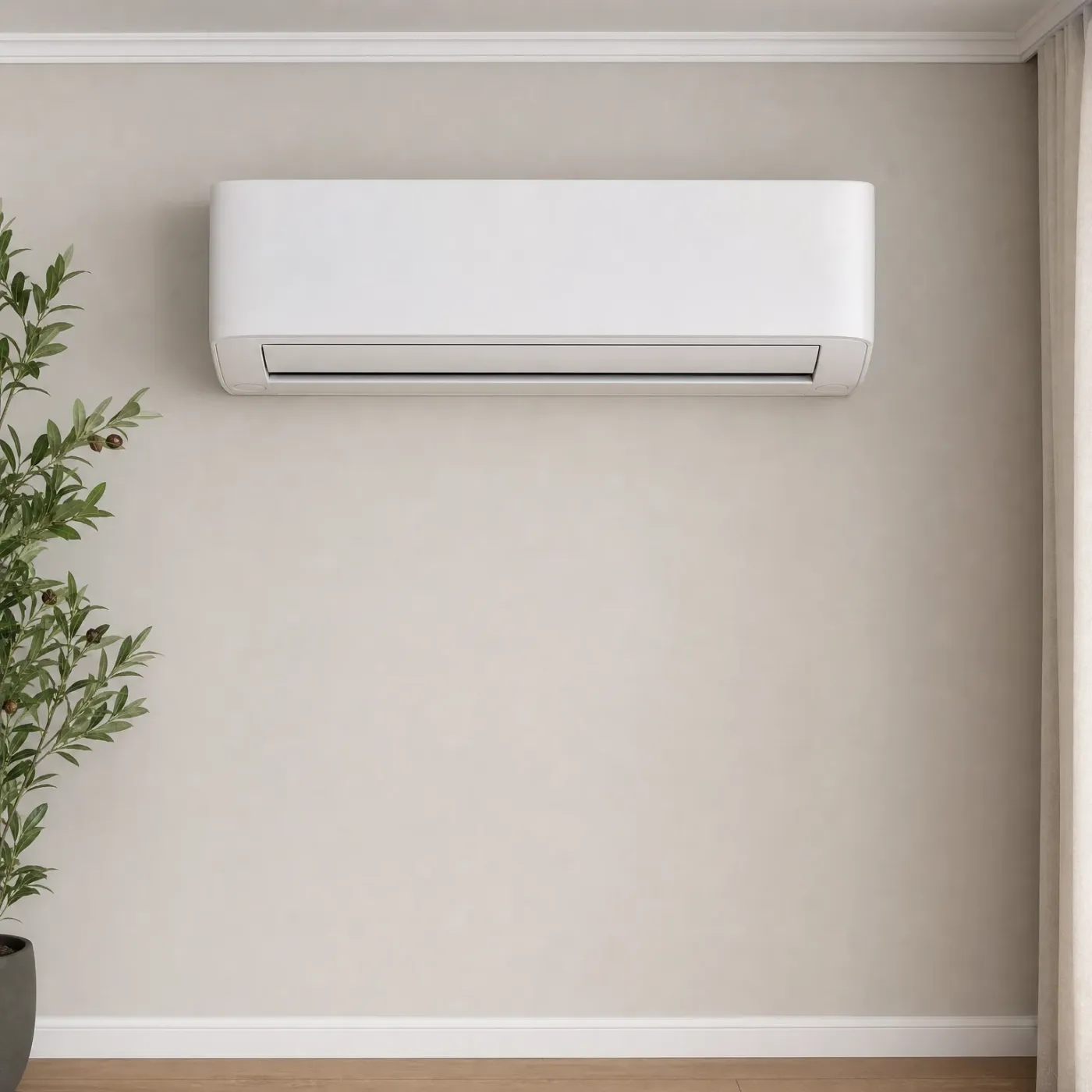
A white wall-mounted mini-split indoor unit on a beige interior wall, with a potted leafy plant at the left and a curtain edge at the right.

A clear filter keeps the heat coming

With the casing clean and the vents open, the indoor head pulls in the full air flow the outdoor unit is working to heat. On a cold night the room holds its temperature as well as the equipment allows.

A dusty, discolored wall-mounted mini-split air conditioner indoor unit near the top of a plain light-colored interior wall below a white molding strip.

Dust and grime choke the airflow

A casing this dirty blocks the vents the unit needs to move air. The outdoor unit can still be producing heat, but less of it reaches the room, and a cold snap exposes that gap fast.

A woman in a cream sweater and jeans stands in the open doorway of a white stucco house, holding the dark door, while a man in a dark quilted jacket seen from behind walks toward the entry past potted plants.

So how cold is too cold

Below 5 degrees or so, your mini split is still working, just not alone. Pair it with the gas furnace most homes here already have, and you've got the coldest nights covered without asking one system to do a job it wasn't built for. That's the answer for Iowa: no single temperature where the unit quits, just a point where it needs help, and a furnace already in your house ready to give it.

Getting that pairing set up right, so the two systems hand off to each other instead of fighting for the job, is where it's worth having someone look at your specific setup. Finding that person usually means a string of calls, explaining the same thing to each one, then sorting through quotes that don't line up. Answer a few questions here and a contractor who installs mini splits in Iowa winters will reach out to you directly, already knowing what you're working with.

A living room corner with a beige sofa and cushion, a round wooden coffee table holding a pale ceramic vase of eucalyptus stems and a wooden bowl, and a curtained window with a potted plant above a latticed radiator cover in the background.
A white wall-mounted mini-split air conditioner on a dark gray interior wall, with a flat screen at lower left and a green leafy plant at lower right.

Matched to your mini split job

Step 1 of 3: Equipment