Is a cold-climate mini split actually worth it in Iowa winters?
You already put one in, or you're close to it, and now a hard Iowa winter is making you wonder if it can actually carry the load, or if it was money spent on something your gas furnace could do better. You've heard the term "cold-climate" but you want to know if that label holds up once it's actually below zero outside.
Yes, a cold-climate mini split works in Iowa winters, but it's not usually your only source of heat
A cold-climate mini split keeps producing heat well below zero, which is what separates it from an older or standard model that loses most of its output by the time it's cold enough to matter here. Most homes in Iowa heat with gas, and that furnace is still the right backup for the coldest stretches of January and February, since gas heat here is usually cheaper to run than any heat pump once the temperature drops far enough. Where the mini split earns its keep is the shoulder months, fall and spring, and as a steady, efficient way to heat one room or zone without running ductwork or firing up the whole furnace for a small space.
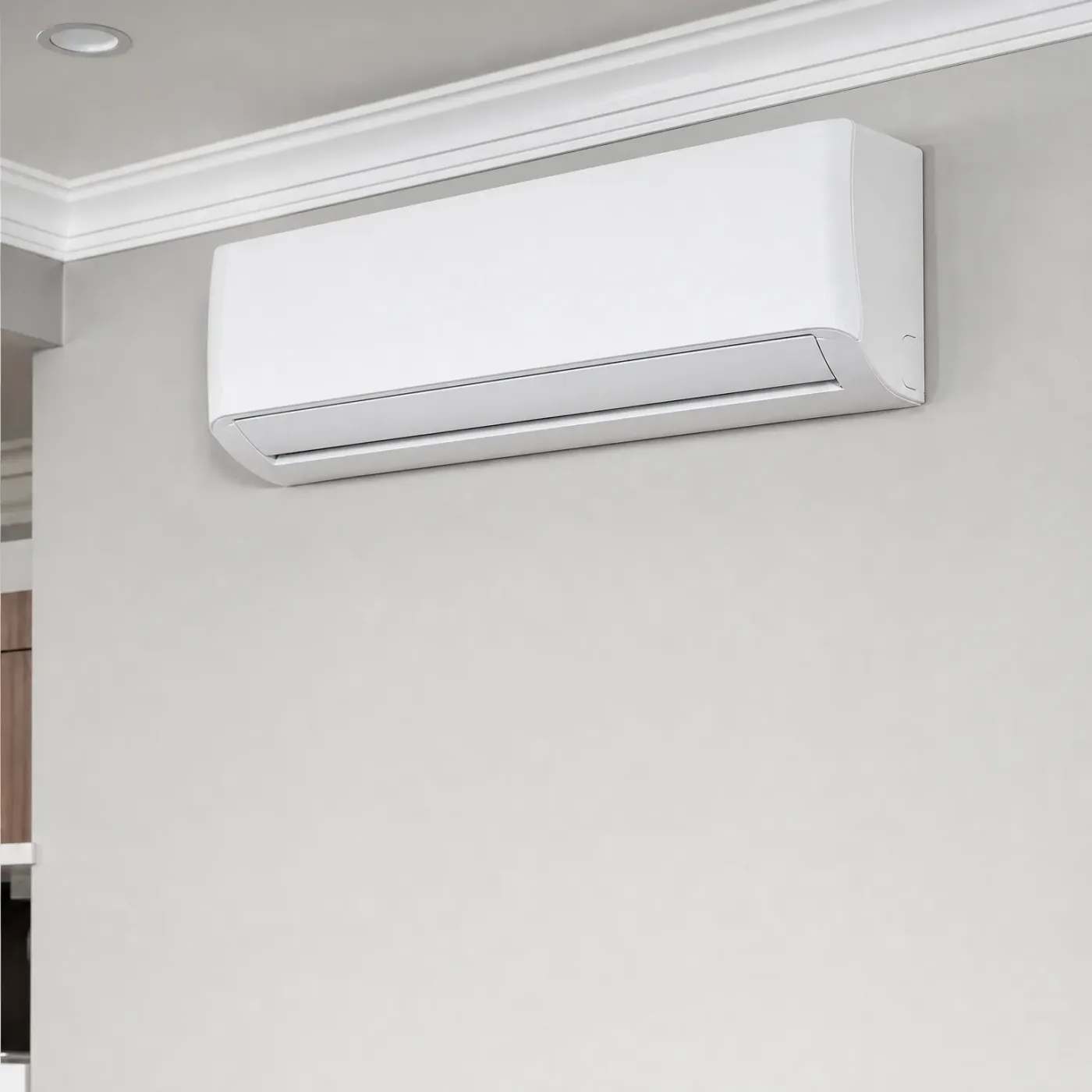
Running clean through a cold snap
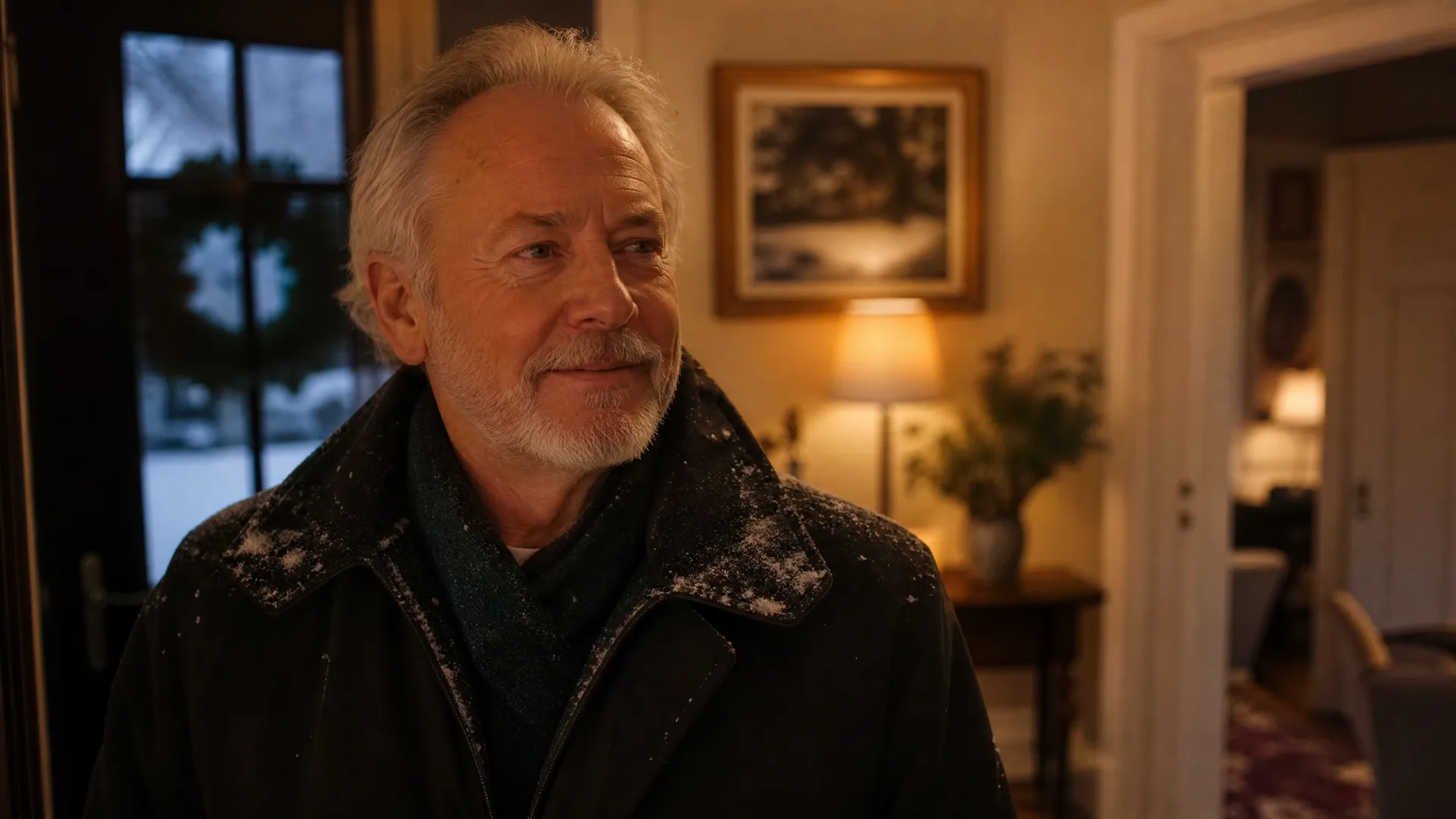
A cold-climate mini split keeps pulling heat out of the outdoor air even when it's well below freezing. You'll feel steady warm air from the wall unit, not lukewarm air cycling on and off. That's it working the way it's supposed to.
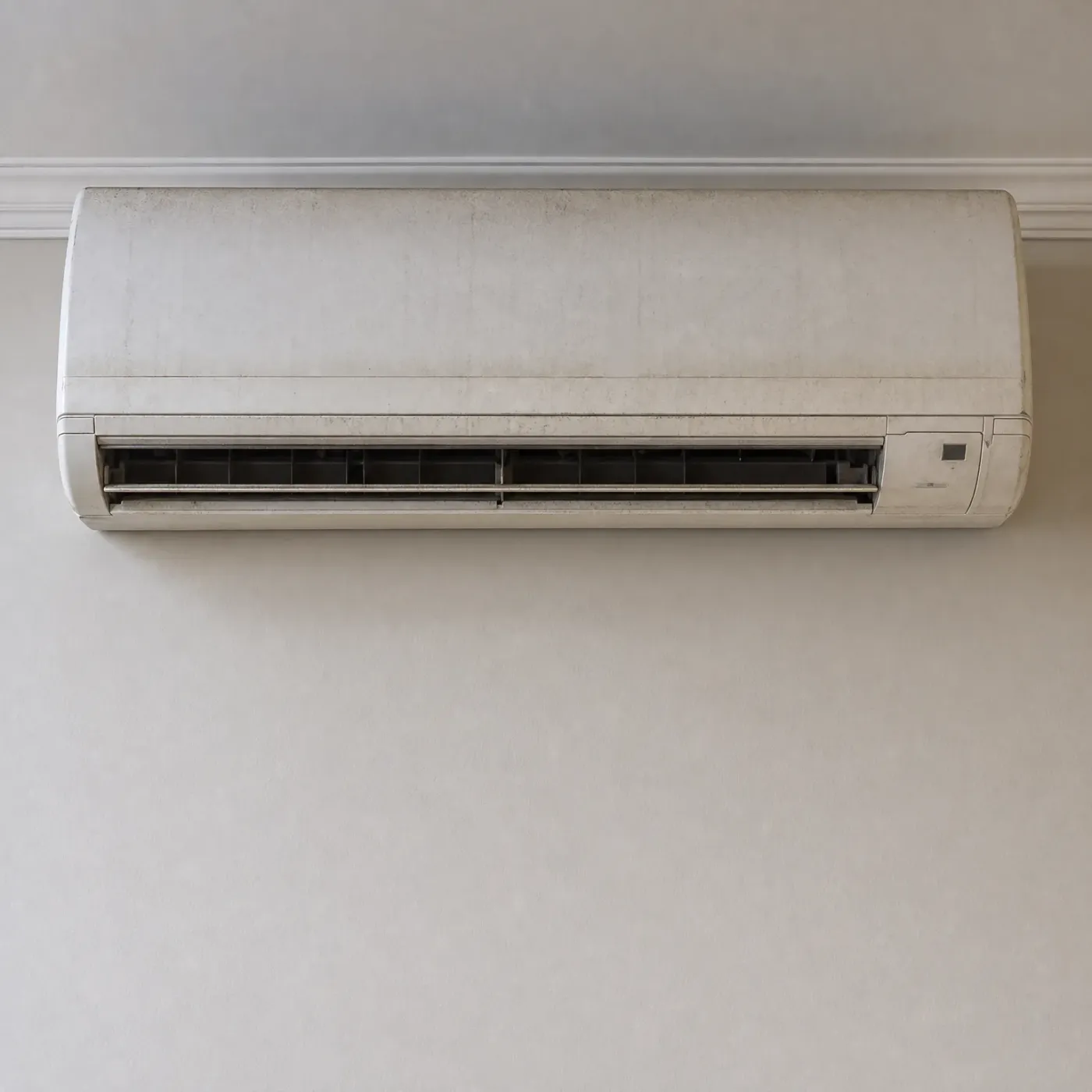
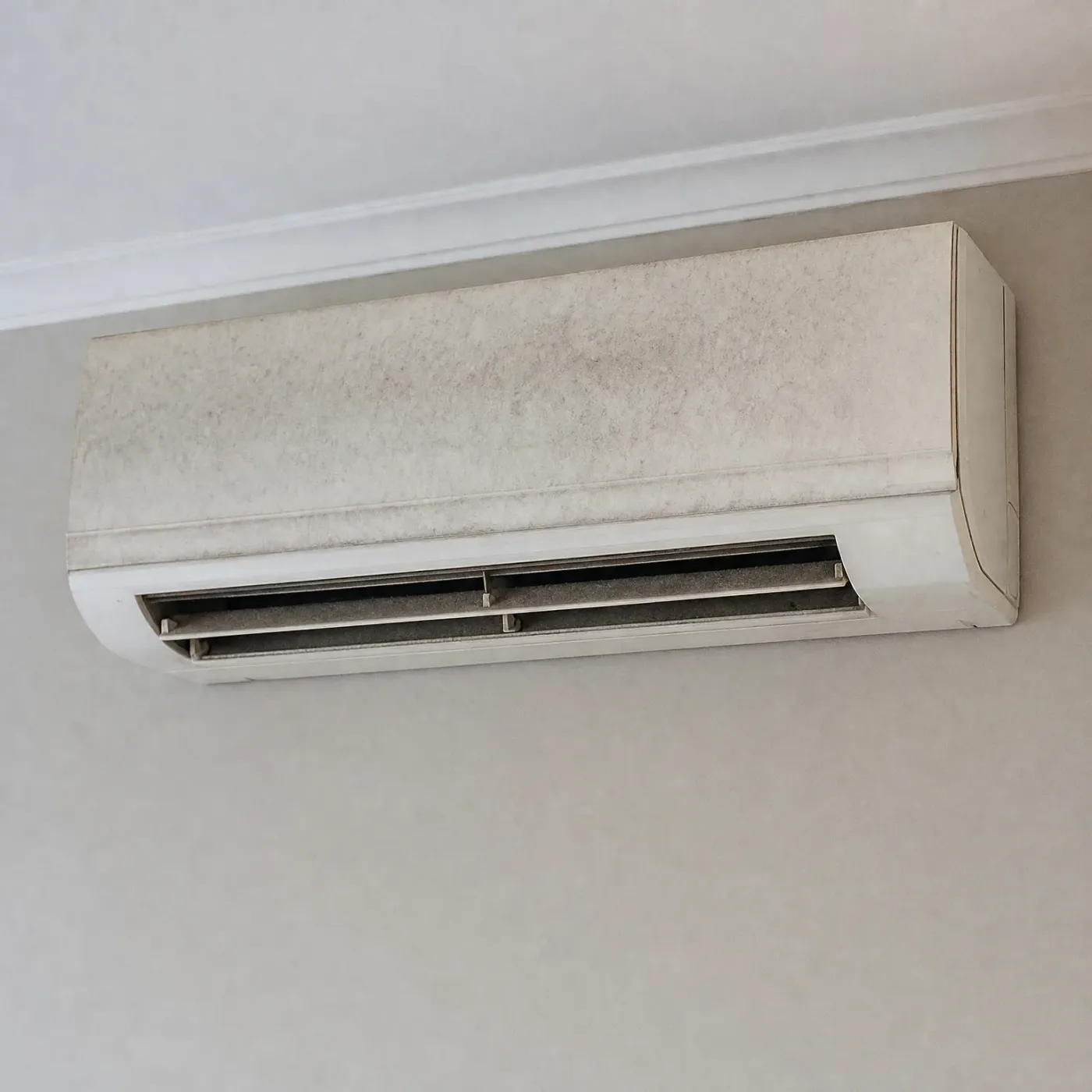
Struggling to keep up
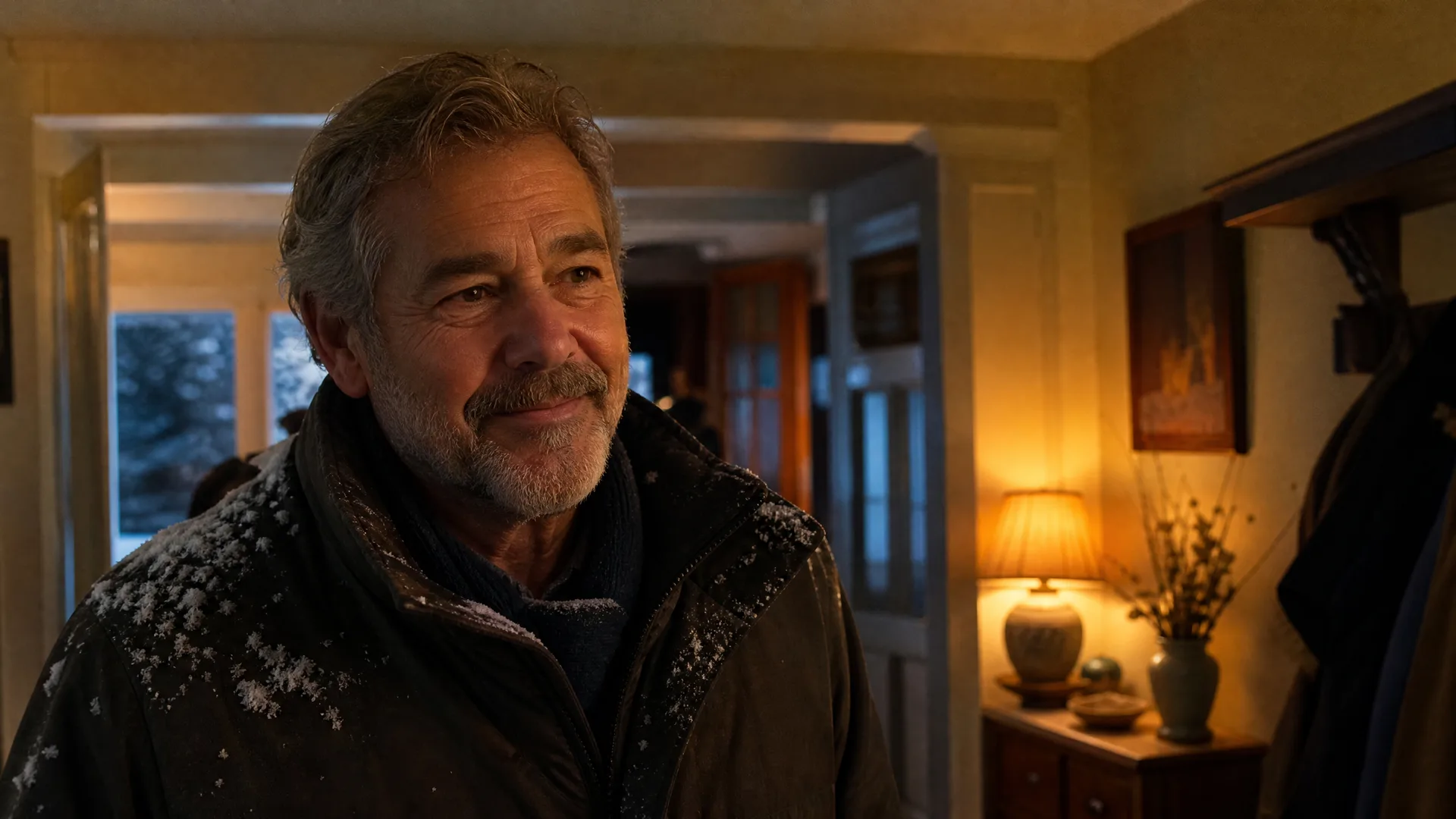
A dusty, aged unit loses capacity right when you need it most. The casing yellows, the vents open but the airflow feels weak, and the room never quite reaches the temperature you set. That's a sign the system needs a look before the next deep freeze.
What the compressor is doing
A cold-climate model uses a variable-speed compressor that ramps up output as the temperature drops outside, instead of just switching on and off at one speed. That's how it keeps pulling warmth out of air that feels like it has none left to give. A standard mini split can't do this. Its compressor runs at one speed, so output falls off hard once the temperature drops, and below a certain point it stops being worth running at all. The cold-climate version is built to keep working past that point.
What your gas furnace still owes you
Even with a cold-climate mini split running well, your furnace isn't wasted money sitting there. On the coldest nights of an Iowa winter, a furnace still recovers heat faster after the front door's been open or the house has cooled down than a mini split pulling heat from frigid outdoor air. Keeping the furnace as backup means you're never depending on one system to carry the whole house through January. That's a reasonable way to run it, not a sign the mini split failed to do its job.
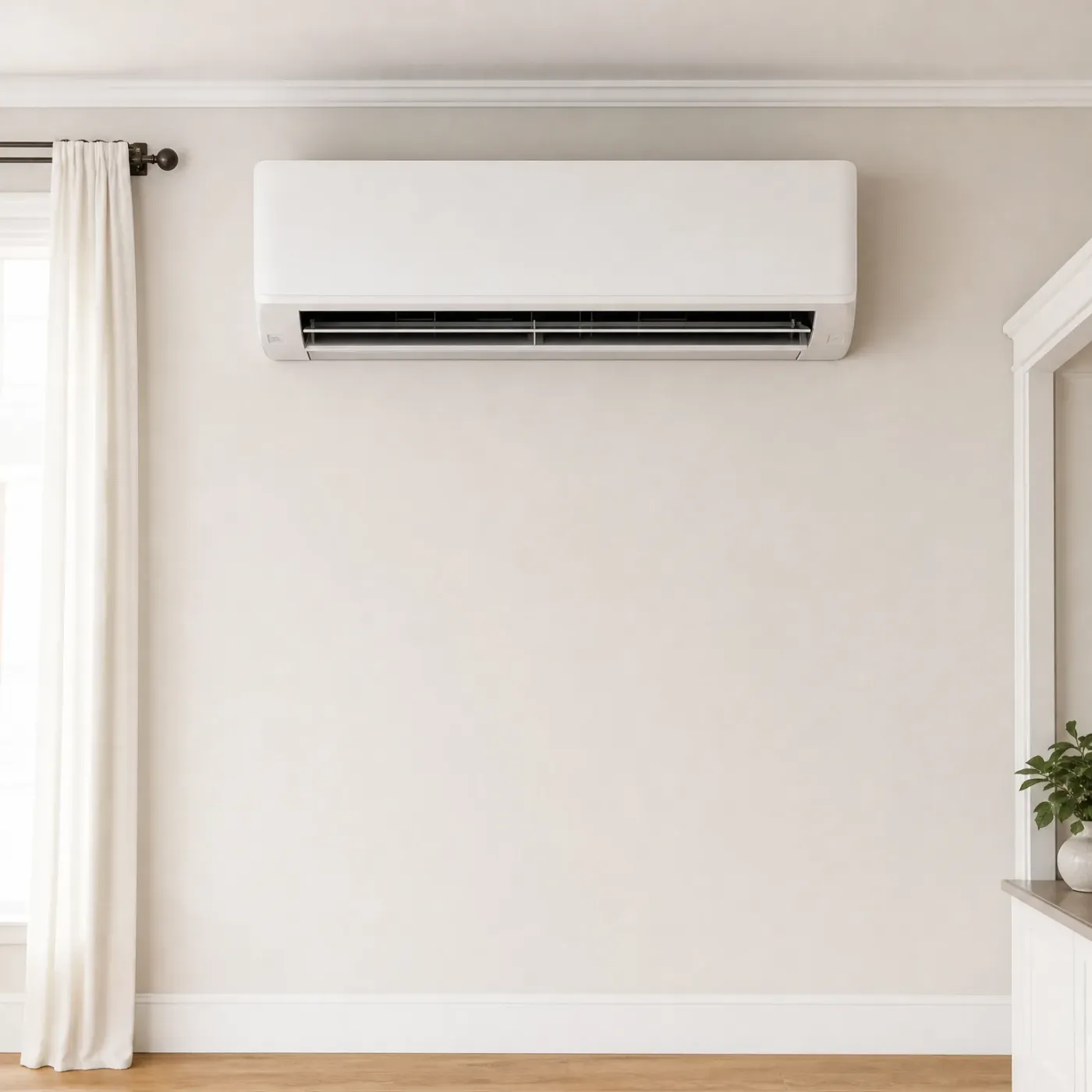
Before you get your mini split installationAfter you get your mini split installation
What you'll notice on the coldest nights
Once it drops into the single digits or below, pay attention to how the room actually feels. A cold-climate unit should still put out warm air at the wall, not air that feels barely better than room temperature. If your gas furnace is doing most of the work on those nights and the mini split is just along for the ride, that's not a flaw in the equipment. It's usually a sign the unit was sized or set up for shoulder season comfort and light summer cooling, not for carrying real weight in an Iowa cold snap. A correctly matched system shouldn't need the furnace to step in until it's genuinely brutal outside.
What it means for your gas bill
Because most homes here heat with gas and power is cheap, a mini split pulling its share in winter should show up as less furnace runtime, not just a lower thermostat setting in one room. If your gas use hasn't budged since you installed it, something is off between the two systems, whether that's how they're staged to work together or how the mini split was placed and sized for your house. Worth it, in your case, means the furnace is burning less gas because the mini split is carrying real heating load on its own, not sitting there as an expensive supplement to a system that's doing the same job it always did.
If your mini split is still blowing lukewarm air once it's this cold outside, or it's short cycling instead of holding steady, something's off. It might be a charge that's low, a sensor giving the board bad information, or a unit that was sized for the room wrong from the start. None of those are things you can tell from the wall unit, and guessing at it over another winter just costs you on the power bill while your furnace picks up the slack it shouldn't have to. A local contractor who installs these systems every season in Iowa has seen which models struggle once it's in the single digits and which hold up, and what usually needs adjusting when one doesn't. Get matched with one, and they'll look at your setup, not a generic checklist, before telling you whether it's worth fixing, adjusting, or living with until spring.
A cold-climate mini split handles frost the same way every winter, and knowing the order helps you tell normal from a problem. As the outdoor coil pulls heat from the air, moisture in that air lands on the coil and freezes onto it. The unit tracks this with a temperature sensor on the coil itself, not a timer. Once that sensor reads cold enough for long enough, the system reverses the refrigerant flow into defrost mode. For a few minutes the outdoor fan stops, the compressor keeps running, and the unit briefly runs like an air conditioner outside to melt the ice off that coil. That's why you'll sometimes see steam rising off the outdoor unit on a cold day, and why the indoor fan may pause or blow cool air for a moment. It's also why the outdoor unit needs clearance around it. Snow piled against the coil or blocking the base pan drain blocks the airflow that defrost depends on, and the ice has nowhere to drain once it melts.
Power costs 13.62 cents per kilowatt-hour statewide
At 13.62 cents a kilowatt-hour, running your mini split through summer and shoulder-season heating costs less here than in most states. That's worth knowing if you've been leaning on gas for the coldest stretch and wondering whether the electric side is pulling its weight.
EIA-861 2025 statewide residential average
So is it worth it
A cold-climate mini split earns its keep in an Iowa winter if it's running the way the last few sections laid out: steady warm air at the wall, a defrost cycle that comes and goes on its own, no short cycling once the cold really sets in. If that's what you're seeing, it's doing the job it was built for, and your gas furnace picking up the coldest stretch isn't a sign of failure, it's just how the two are meant to split the work. If it isn't matching that, the unit itself is telling you something's wrong, not that the technology doesn't hold up here.
Either way, you don't have to sort it out alone. A local contractor who works on these units all winter, through the kind of cold snaps you just read about, can look at what your system is actually doing and tell you whether it's running right or needs attention. You'll be matched with one contractor suited to your situation, not a handful competing for your call.
The right pro for this job
Only one pro gets your request, so you hear from one company.