
Running clean
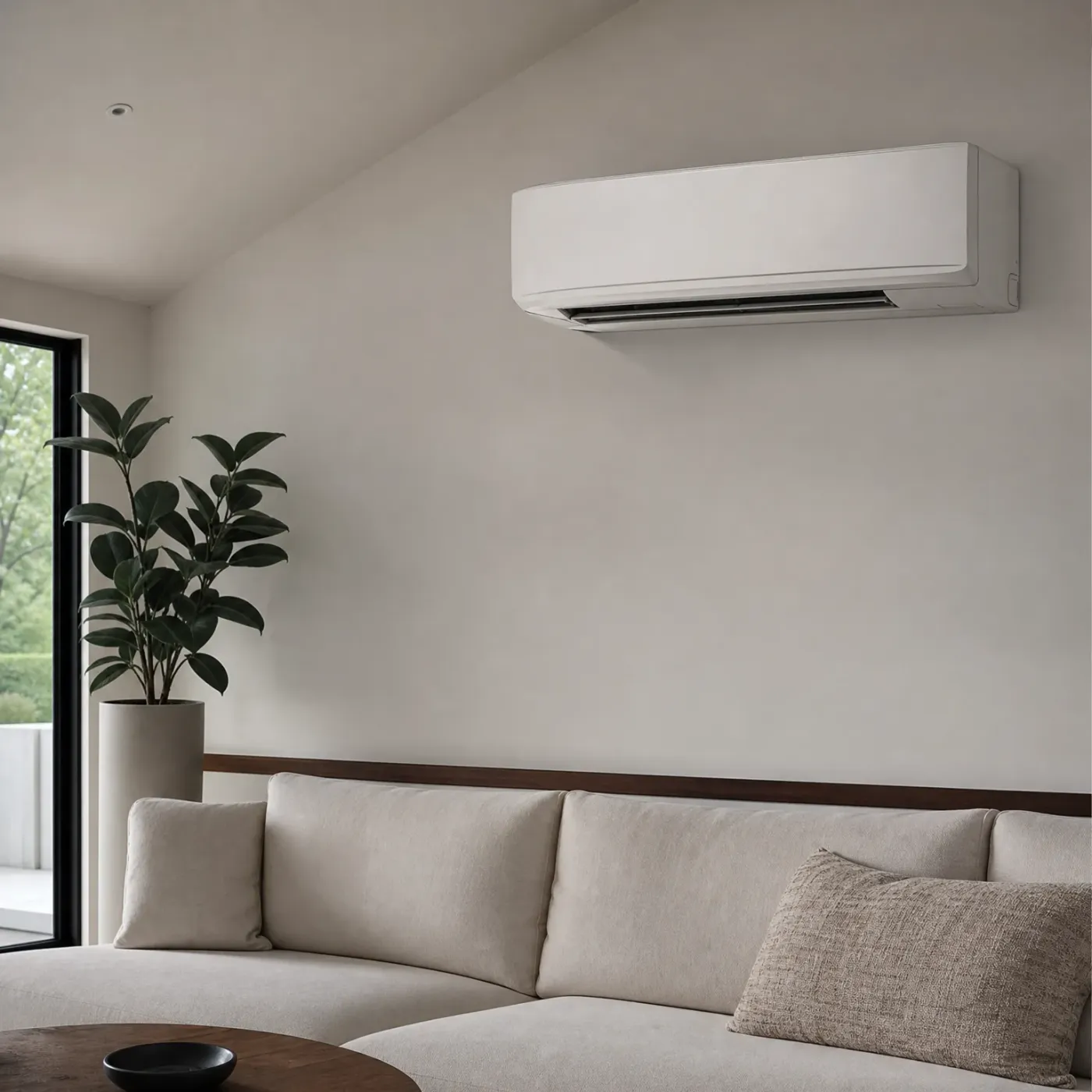
A mini split that's kept up draws air through a clean filter and blows it across a clean coil. It holds the room's temperature without running longer than it needs to, and the air coming out doesn't carry dust back into the room.
Get matched with a pro who works on mini splits in Dallas County.
Get matchedA mini split is worth it in Waukee if it's doing a job your gas furnace and central air don't cover well, like a finished basement, a garage, or a bonus room over the garage. It won't replace your furnace here. Dallas County winters get cold enough that a heat pump has to work hard to keep up, and most homes in the area already heat with gas, which is a cheap, steady source of heat most of the winter. Where a mini split earns its keep is as backup for that one room that never gets warm or cool enough, cooling it in a sticky July without overworking your main system, and adding heat in the shoulder months without turning on the furnace for one room. If that's the problem you have, it pays off. If you're hoping it replaces your furnace outright, it likely won't carry the whole house through a Dallas County winter alone.
Cooling runs June through August
Three months of real cooling load means a mini split's compressor isn't earning its keep year round, so judge it by the room it covers, not the whole house.
Heat runs October through May
Eight months of heat is most of the year, and a mini split carries that load alone in the room it serves while your furnace covers the rest of the house.
Power here costs 11.54 cents per kilowatt-hour
At 11.54 cents per kilowatt-hour, running a mini split in a basement or bonus room instead of extending ductwork there costs you less than you'd expect.
NOAA nClimDiv 1991-2020 · EIA-861 2025
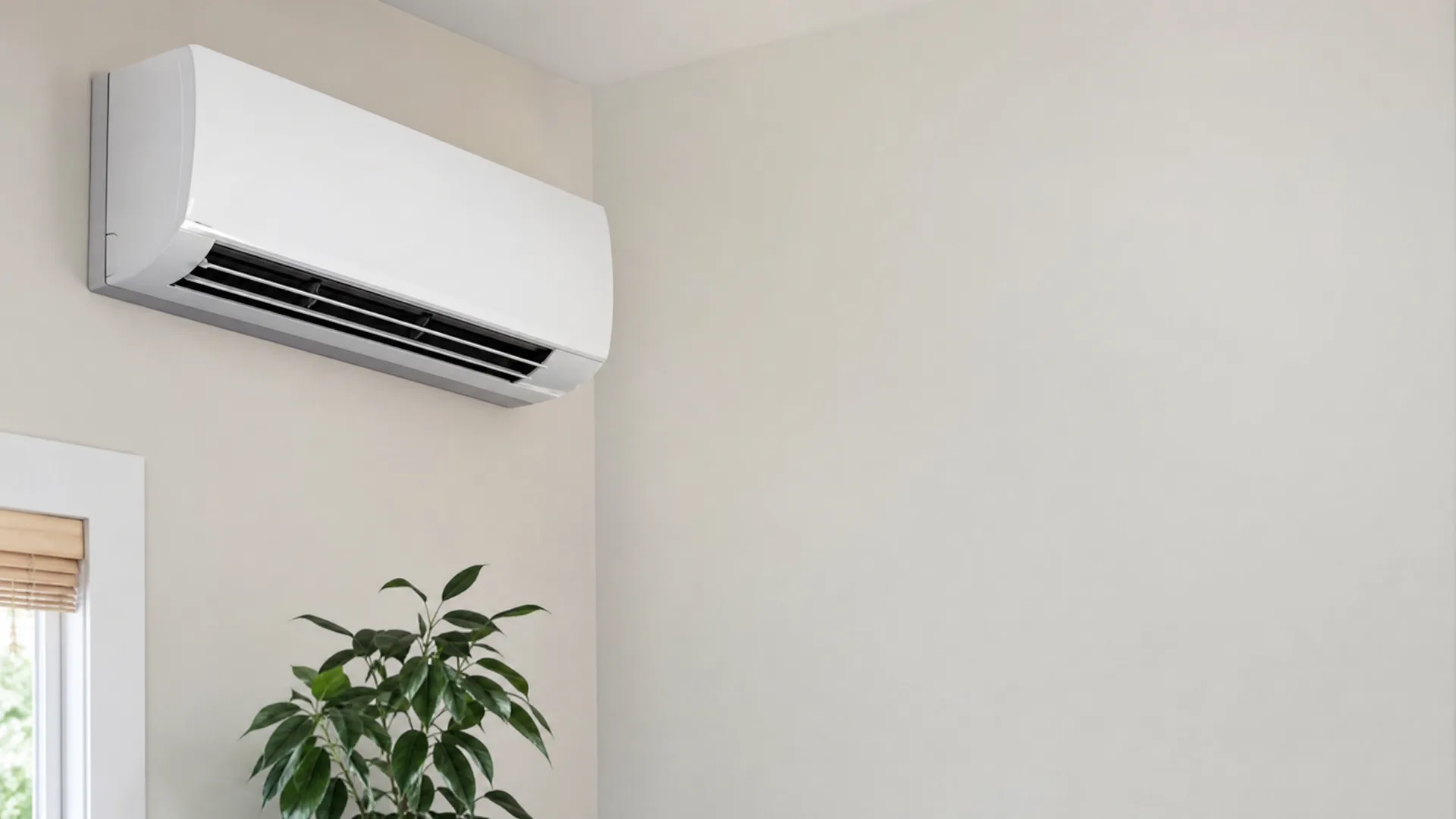
That room runs hot by July because it sits under the roof with one return, if it has one at all. A mini split hung on the wall there cools just that space, fast, without asking the central air to push more air down a duct run it was never sized for. You get a thermostat for that one room instead of guessing at a damper setting three rooms away.
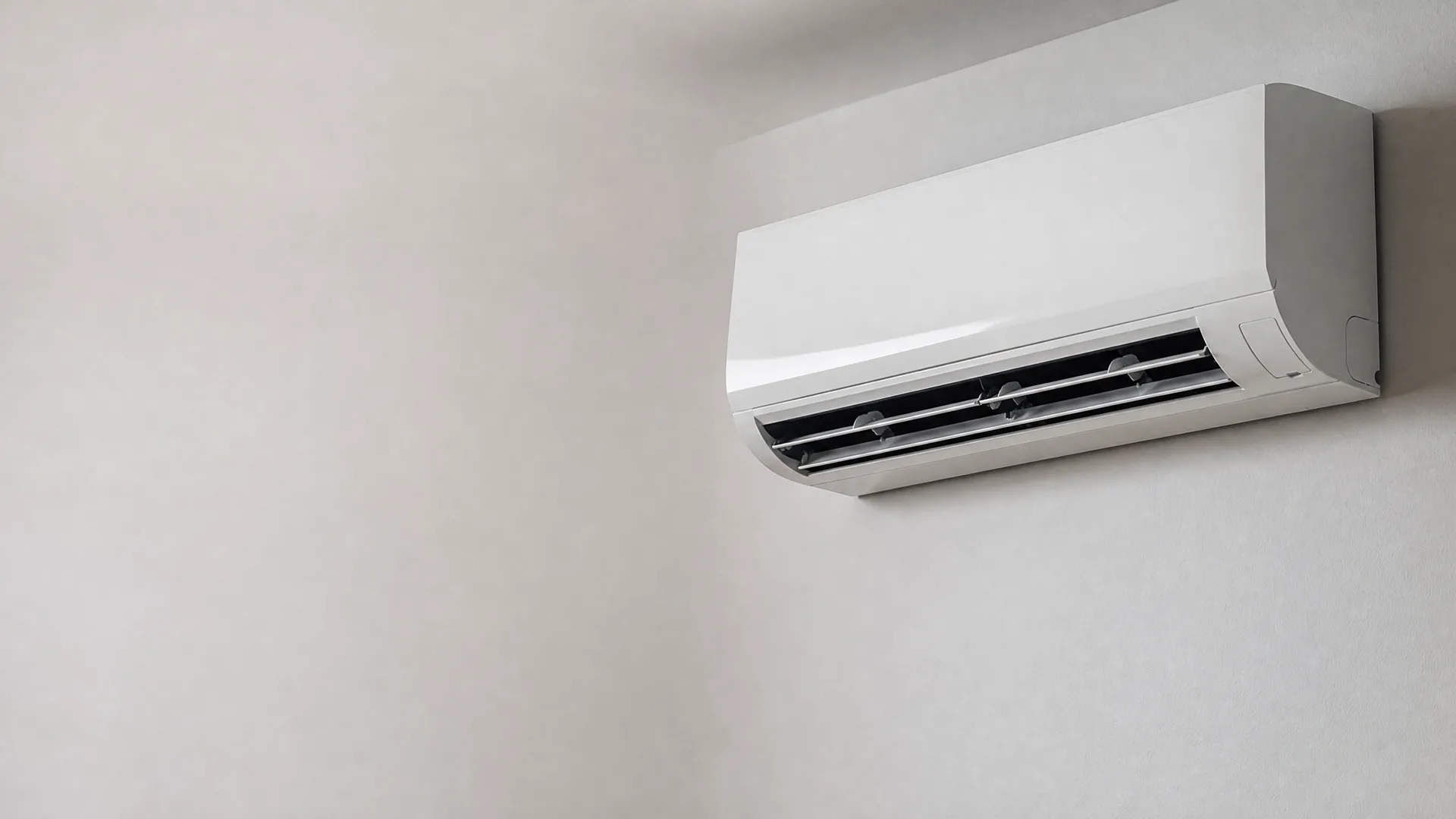
A basement stays cooler than the rest of the house most of the year, and in January that gap is enough to make the room unusable without help. The furnace duct that reaches down there is often an afterthought. A mini split's heating side can carry that room on its own through a cold stretch, and because Dallas County power is cheap, running it doesn't show up much on the bill.
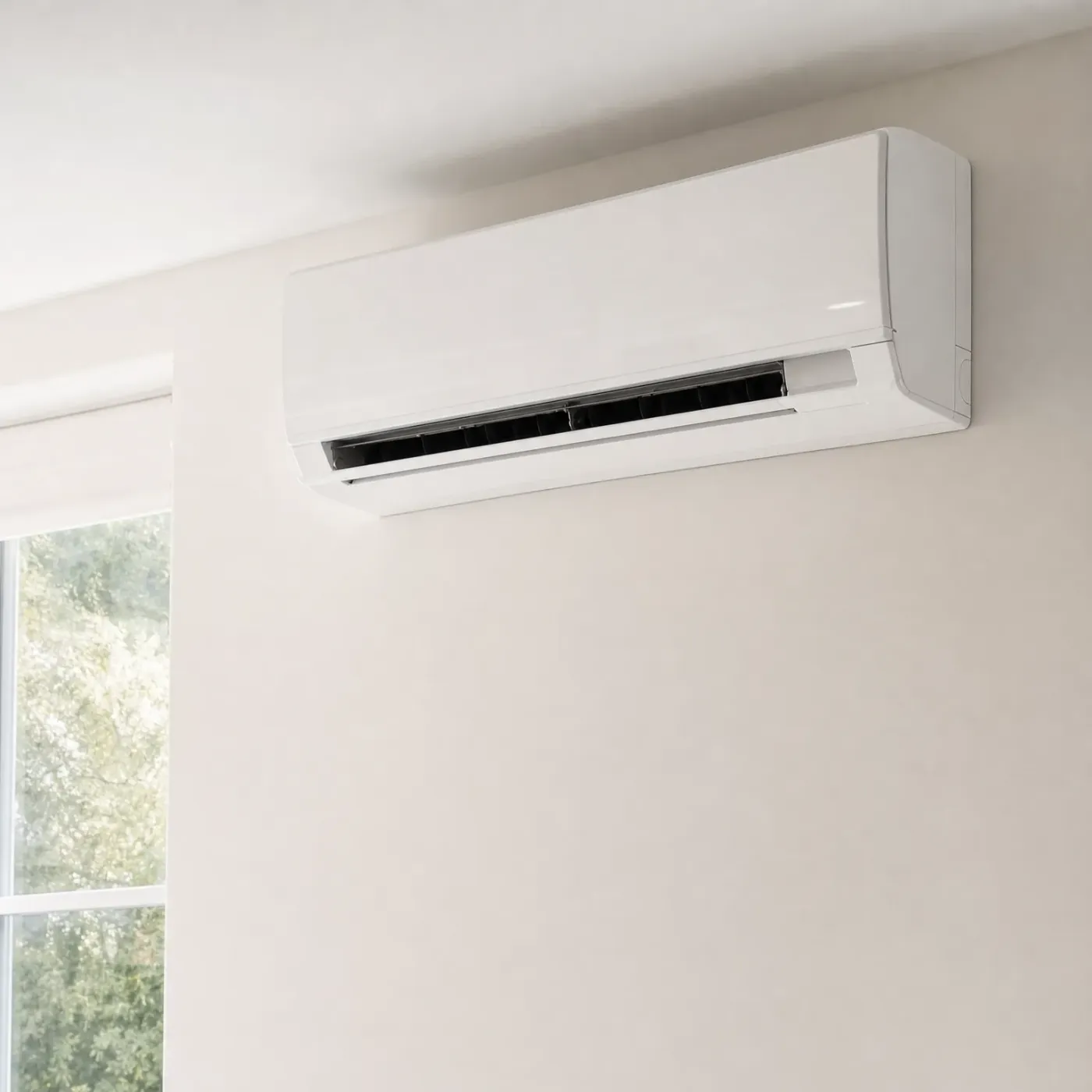
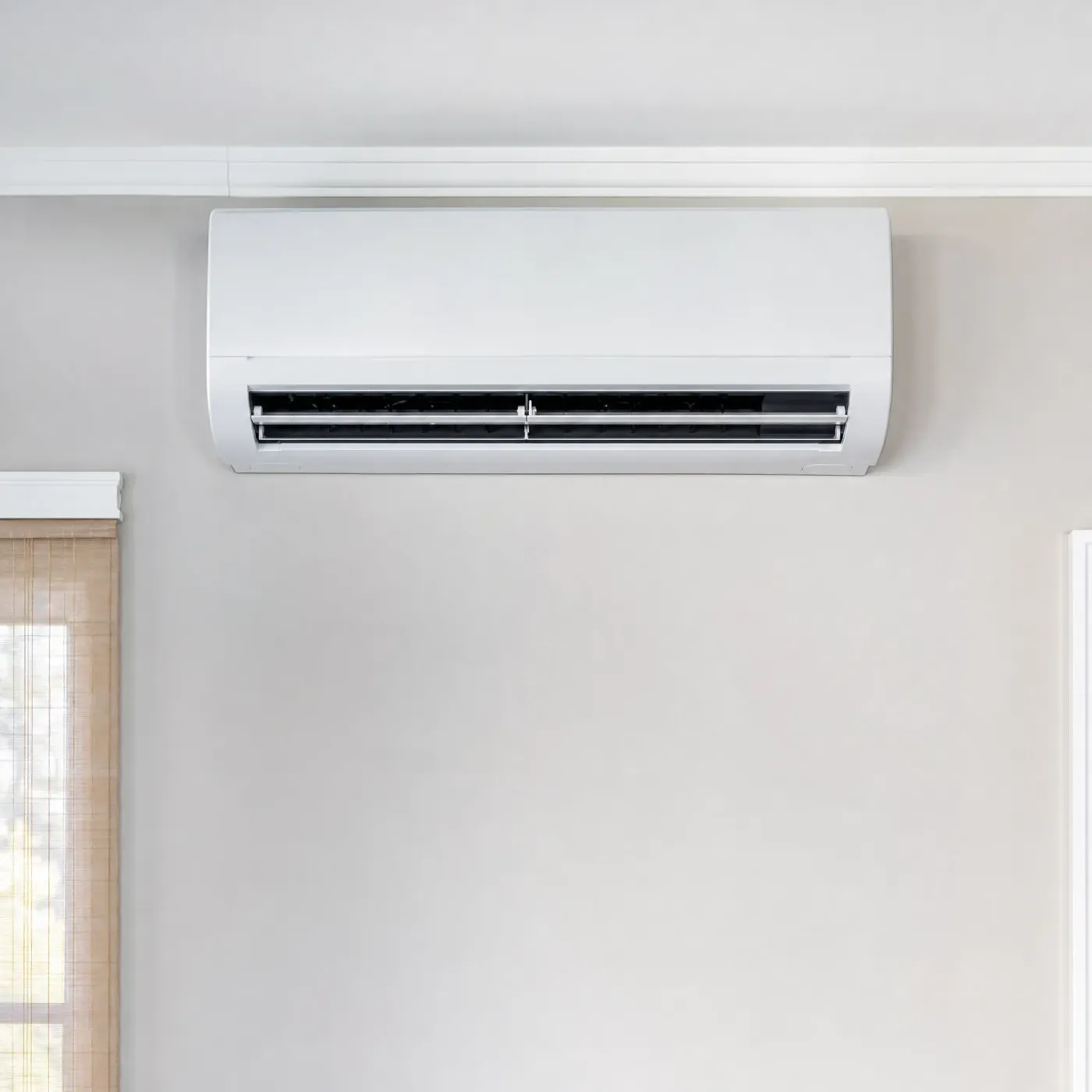
A mini split that's kept up draws air through a clean filter and blows it across a clean coil. It holds the room's temperature without running longer than it needs to, and the air coming out doesn't carry dust back into the room.
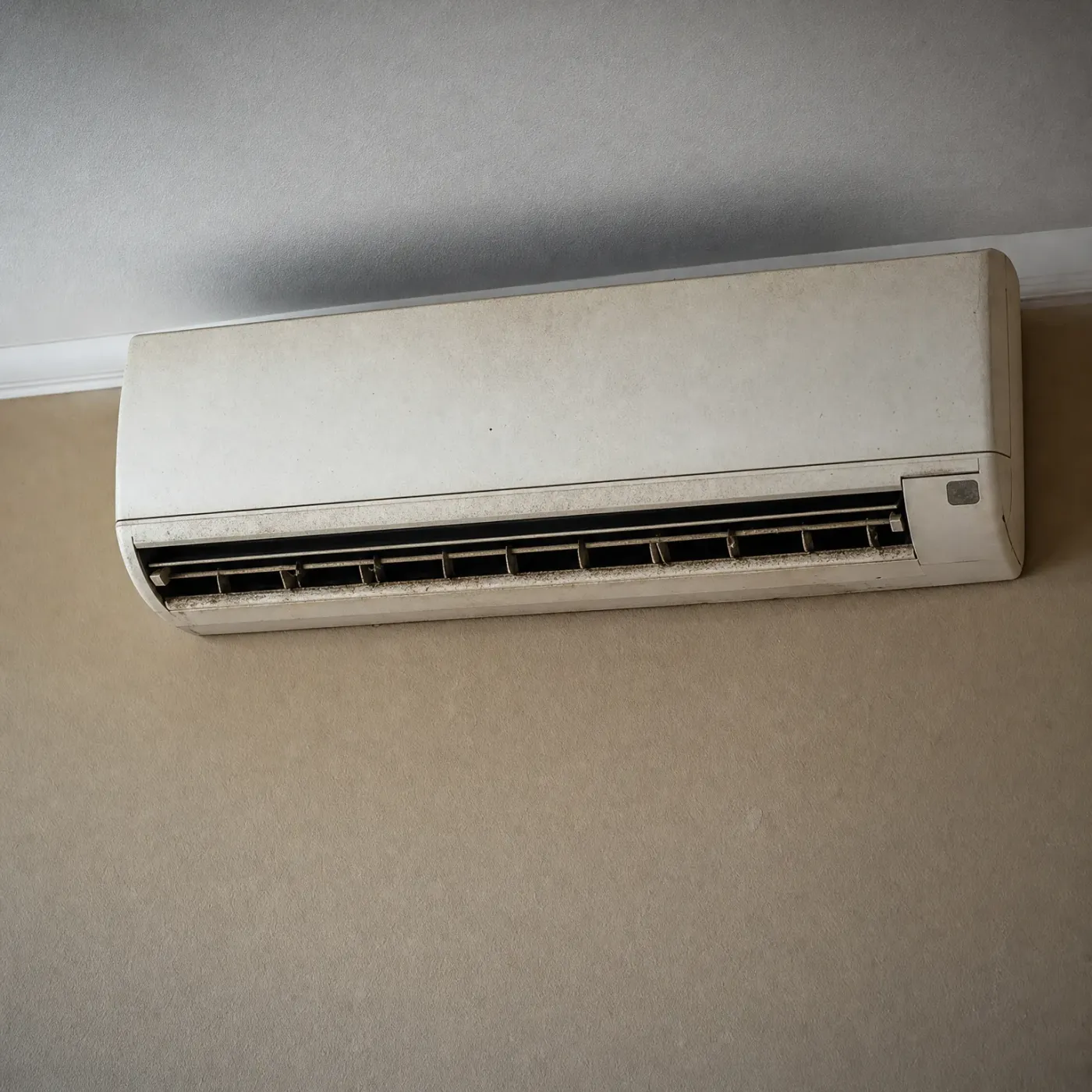
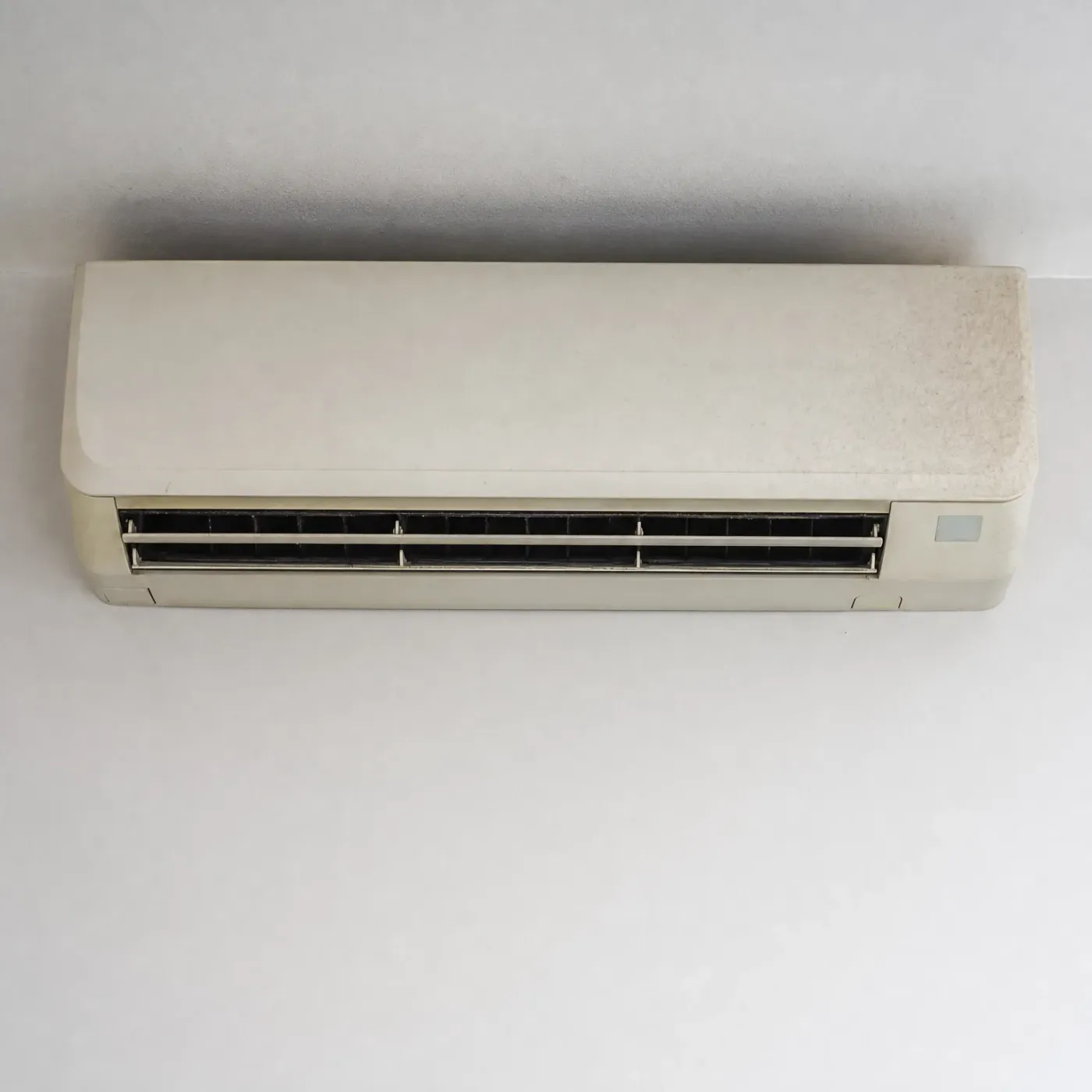
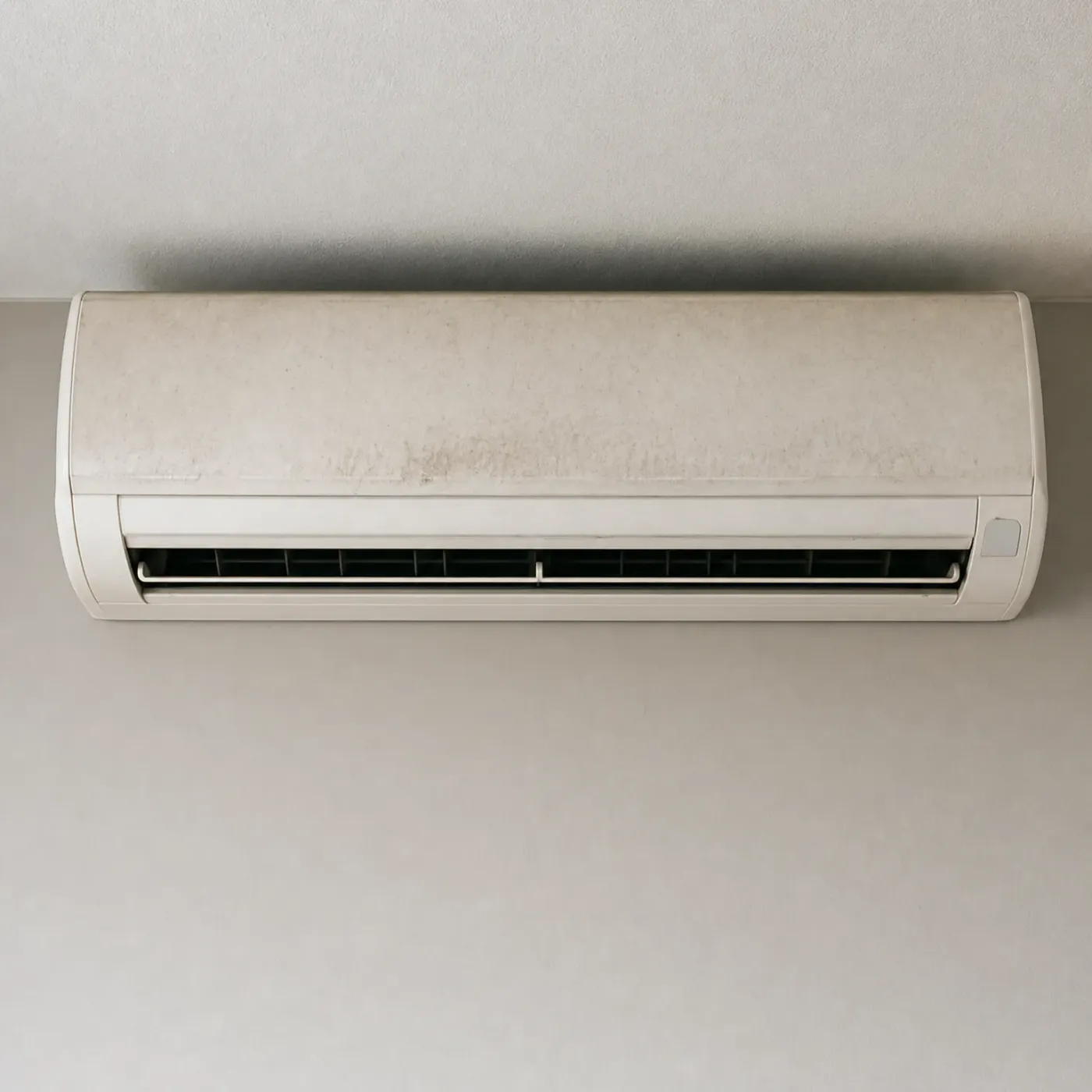
When the filter and coil look like this, the unit has to work harder to push the same air through. It'll run longer to hit the thermostat setting, and anyone in that room is breathing what's built up on the grille.




Send the form and stop researching installers for the new mini split.
Your request goes to a Dallas County pro who takes mini split jobs.
You're not committing to anything by asking.
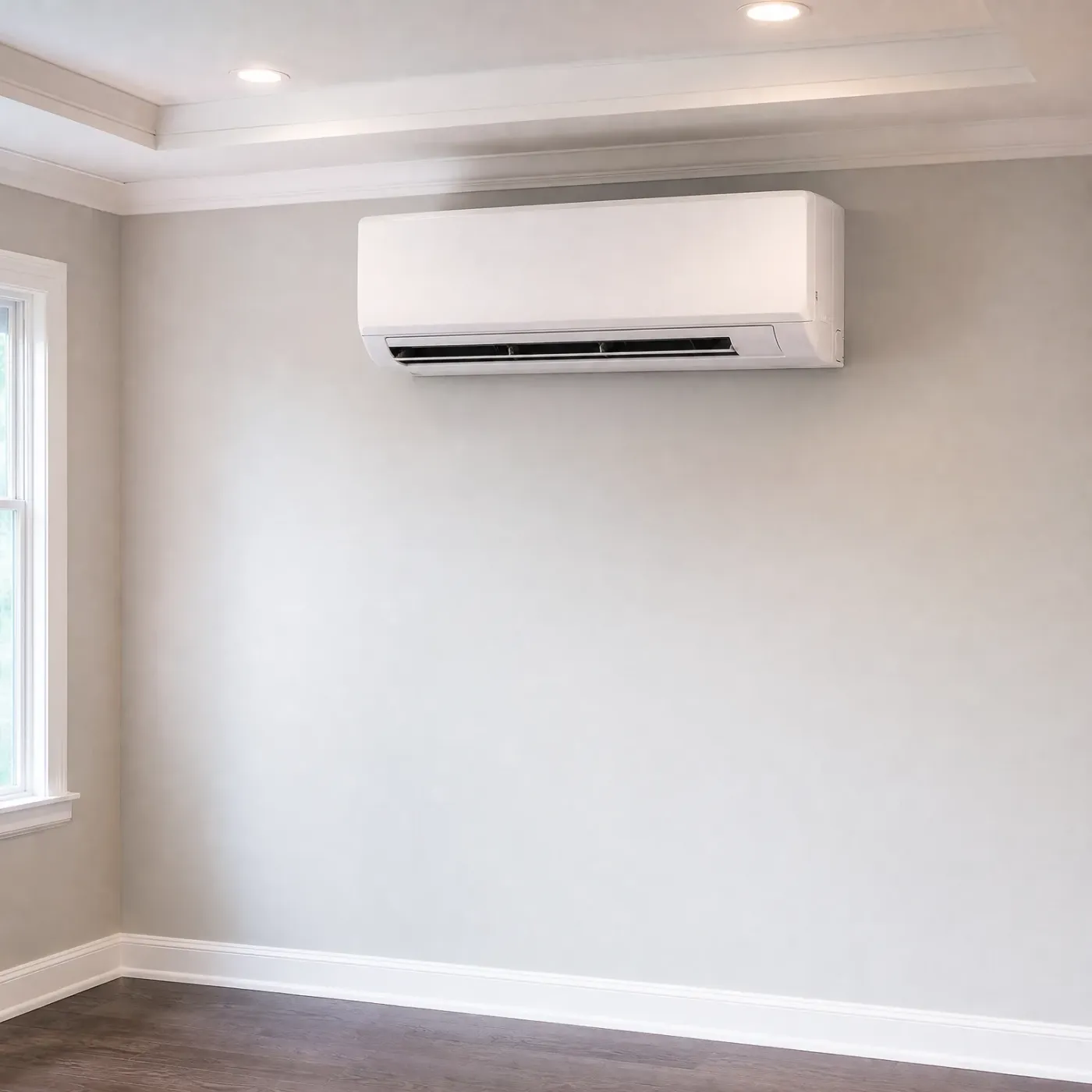
The indoor unit pulls warm room air across its coil.
Refrigerant inside that coil absorbs the heat and turns to gas.
A line set carries the refrigerant gas out to the compressor.
The outdoor unit compresses the gas and releases the heat outside.
How does a mini split keep working when it's below freezing outside?
A mini split heats by running its refrigerant cycle backward. Instead of releasing heat outdoors like it does in summer, the outdoor unit pulls heat out of the air outside, even cold air still holds some, and moves it inside through the line set to the indoor coil. The catch is frost. When the outdoor coil drops below freezing, moisture in the air turns to ice on it, so the unit runs a defrost cycle every so often, briefly reversing again to melt that ice off before going back to heating. You may notice the outdoor fan pause and a puff of steam rise off the unit. That's the defrost cycle working, not a malfunction.
Most mini splits sold today still pull heat from outside air down to about there. Below that, the room it heats will lean on backup heat or your furnace.
A mini split's line set runs to one indoor head. It won't pull cold air from the basement to the bonus room, so size the unit to the space it's actually covering.

A mini split earns its place in a Waukee home when it covers a room your furnace and central air can't reach well. The bonus room over the garage, the finished basement, the porch you want to sit on in October. It's not a replacement for the furnace, and nobody who understands Dallas County winters would ask it to be. Judged against that one job, a mini split in the right spot does it well and keeps doing it.
Where you stand now depends on what you're trying to cover and what's already in that room. If you're not sure a mini split is the right call for your space, or you know it is and want it installed right, a contractor who works on these in Dallas County can look at the room and tell you straight. Answer a few questions about your home and someone who handles mini splits in this area will reach out to go over it with you.



A local pro for your mini split installation
One request ends the search for a mini split installer.