
Running the way it should
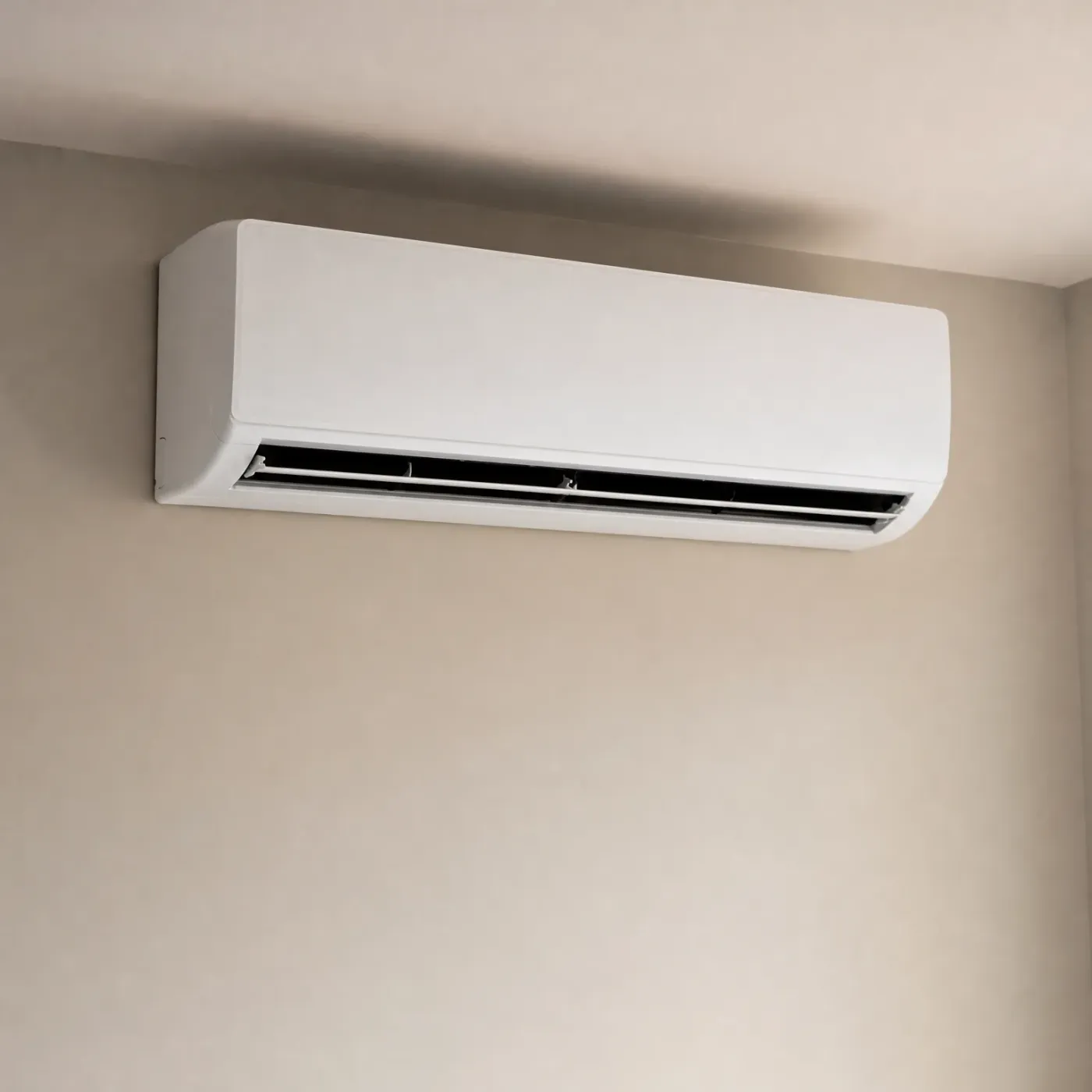
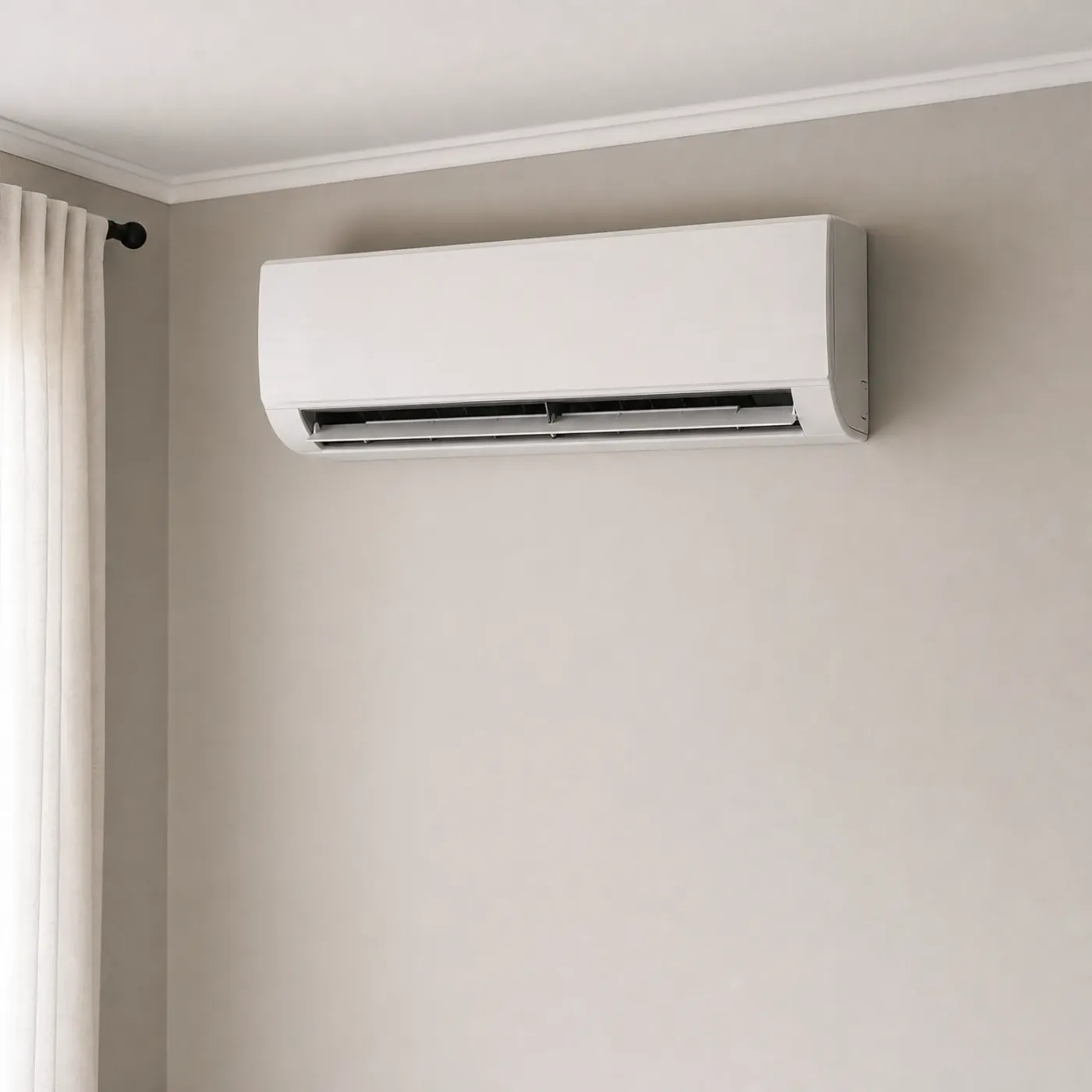
A mini split working right sits quiet near the ceiling with a clean white housing. Air moves out of the vents without pooling anywhere, and nothing drips onto the wall or floor below it.
Your request goes to a Scott County pro who takes mini split jobs.
Get a local proWater dripping from your mini split usually means the condensate drain is clogged or the line isn't draining right. Every indoor unit pulls moisture out of the air as it cools, and that water is supposed to run out through a small drain line and away from the house. When algae or dust blocks that line, or the pan underneath cracks, the water backs up and drips out of the unit instead, often down the wall or onto the floor below it. A dirty air filter can cause the same thing, because it makes the coil freeze up, and when that ice melts faster than the drain can handle it, water overflows the pan. With Davenport summers running muggy for months at a stretch, these units work hard pulling humidity out of the air, which means more condensate running through that line and more chances for it to back up. If you've caught it early, there's likely no damage yet, but a leak that keeps going can stain drywall or warp flooring nearby.
Cooling runs June through August
Your mini split runs steady from June through August, and that's three straight months of condensate working its way through the drain line.
Heat runs October through May
Heat runs October through May here, so the same unit may sit idle for stretches, giving a clogged line time to dry out and trap debris.
Power here costs 12.22 cents per kilowatt-hour
At 12.22 cents per kilowatt-hour, a mini split left running with a drain problem is a leak worth fixing, not an expense worth ignoring.
NOAA nClimDiv 1991-2020 · EIA-861 2025
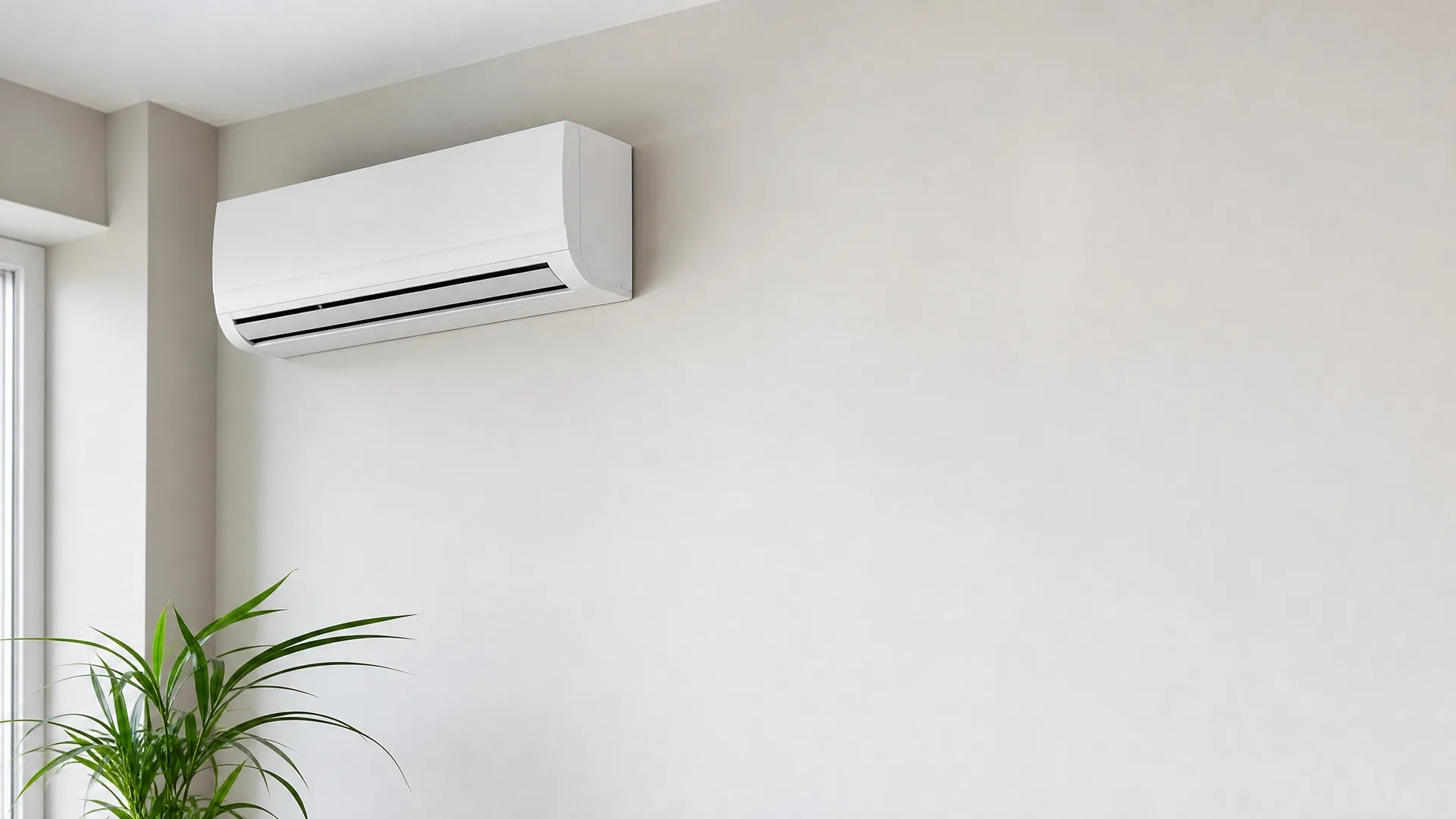
Algae and dust build up inside the condensate line over a cooling season, and the water backs up with nowhere to go but out of the unit. This shows up as a slow drip, often after the system has run for a while, and it tends to come back once the line narrows again. A contractor can flush the line and clear it out, and check where it empties outside to make sure it still drains freely.
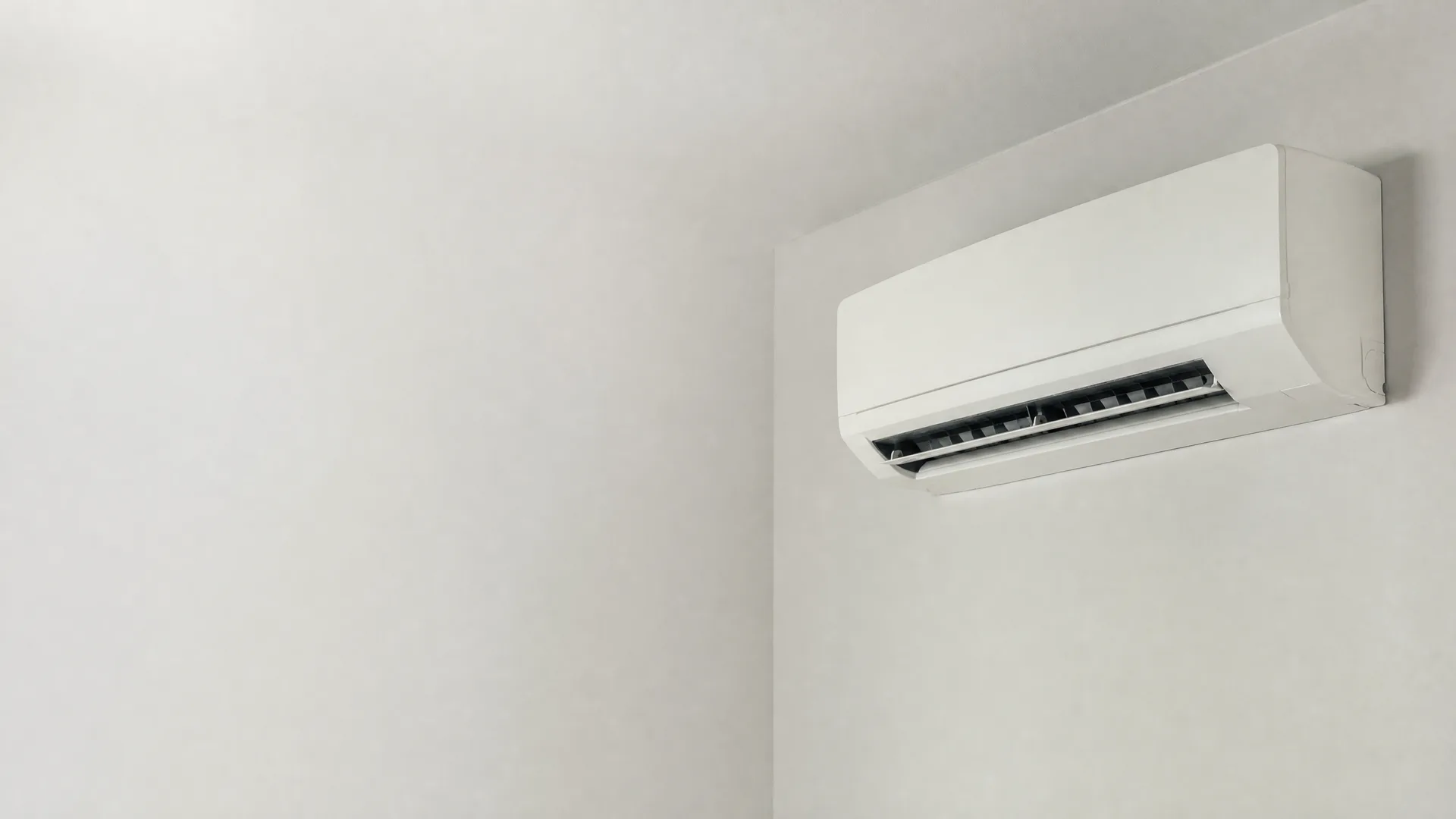
Sometimes the problem isn't a clog at all. The drain line or the pan underneath it can shift out of place, especially if the indoor unit was mounted without a level pitch to begin with. Water then misses the line entirely and drips straight down inside the unit or along the wall. This kind of leak shows up right away, often the first time the system runs after installation or after the unit was serviced.
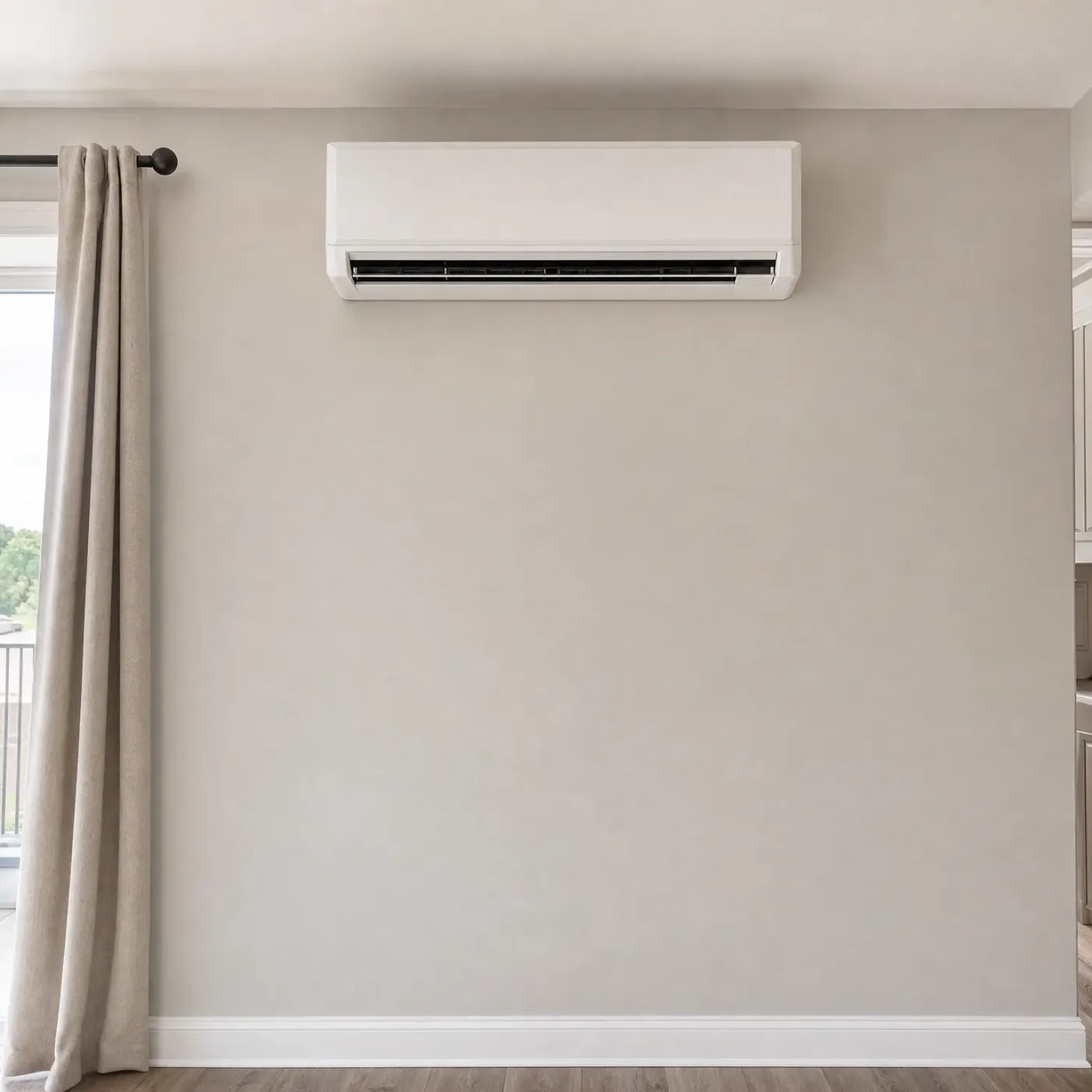
A mini split working right sits quiet near the ceiling with a clean white housing. Air moves out of the vents without pooling anywhere, and nothing drips onto the wall or floor below it.
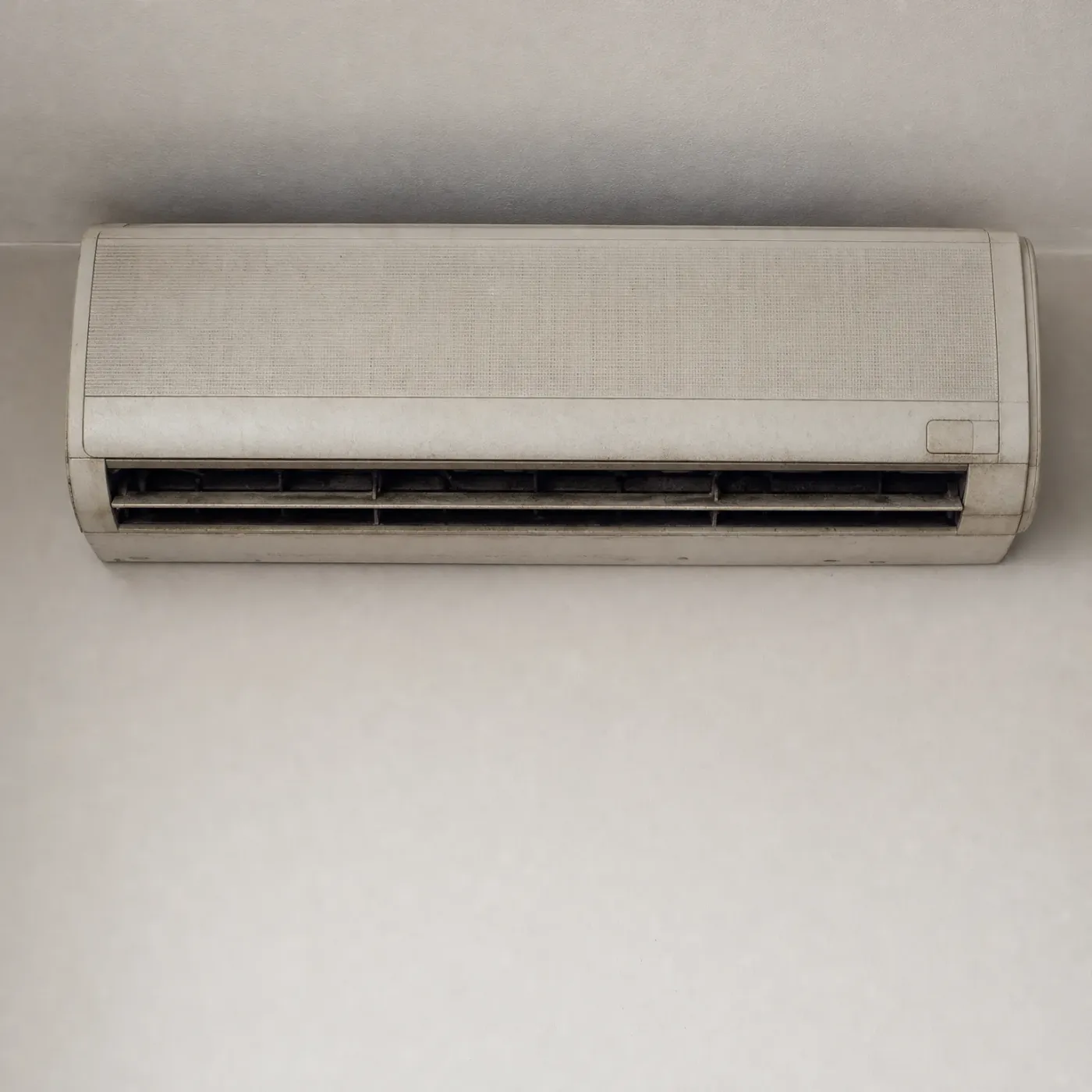
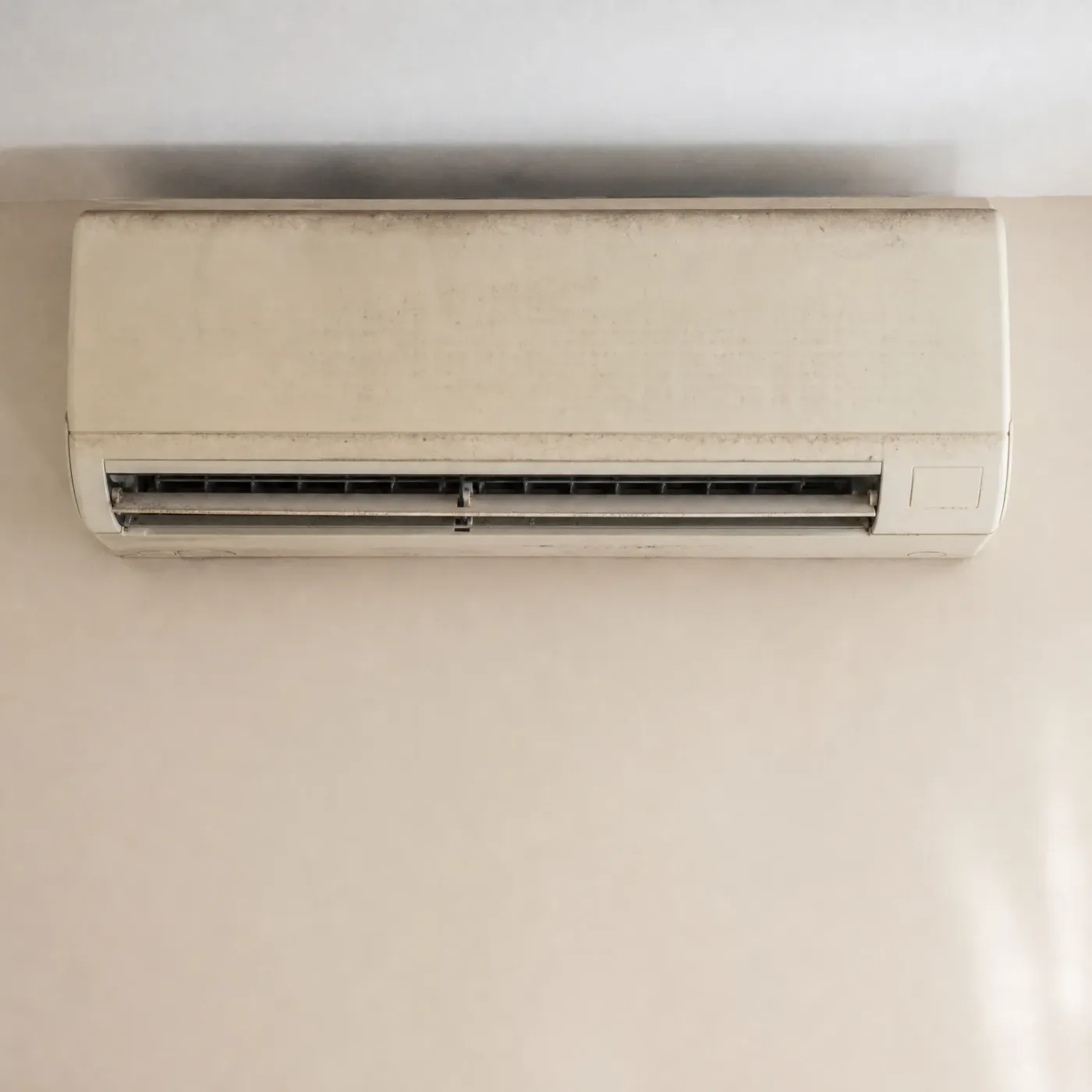
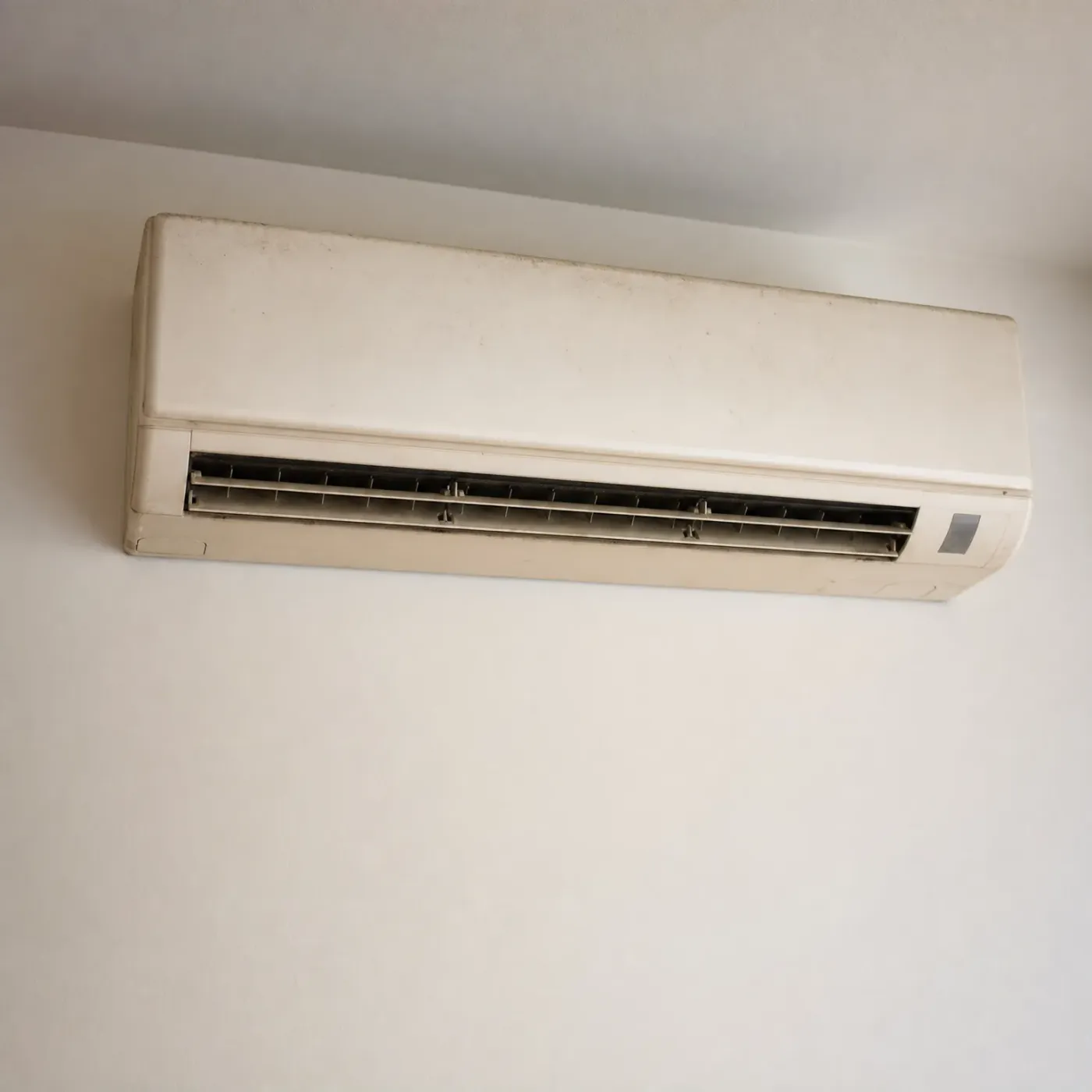
Dust and grime along the vents usually mean airflow has been restricted for a while, and that same buildup is what feeds a clogged drain line. Dark streaks under the vents often show up right where the water has been running out.





One request and the search for a pro is handled.
Get matched with someone who does this kind of work in Scott County.
It costs nothing to send, and you don't have to hire anyone.
The indoor unit's evaporator coil is what actually pulls moisture out of the air. Cold metal sweats when humid air passes over it, same as a glass of ice water on a summer day. That water has to go somewhere, so it drips into a condensate pan sitting right below the coil. From there it runs into a drain line that's supposed to slope downhill the whole way to wherever it empties outside. Gravity does the work as long as the slope holds.
Not every installation allows for a straight downhill run. When the line has to go up and over something, or the outdoor unit sits higher than the indoor one, a small condensate pump takes over and pushes the water out instead of letting it fall. That pump has a float switch inside it that tells it when to kick on. If the float sticks or the pump burns out, water backs up into the indoor unit even though the drain line itself has nothing wrong with it.
The line runs the same path as the refrigerant lines and the power cable, bundled together in one insulated conduit between the indoor and outdoor units. Anywhere that line dips or sags along that run, water sits instead of moving. Standing water doesn't just sit there quietly. It's where algae gets started, and algae is what turns a clear line into a clogged one.
A mini split that's dripping is already telling you something is backed up, and what it touches next depends on where the unit hangs. If it's over carpet or a hardwood floor, that water sits and soaks in before you ever see a stain. If the line runs near a wall or ceiling, the moisture can work its way into the drywall, and drywall that stays damp is what mold needs to get started. None of this stays small on its own. A clogged drain doesn't clear itself, and through a Davenport summer, with the unit running day after day, the backup has more water and more time to find somewhere to go. Some of that water can reach the wiring or the blower inside the indoor unit, which turns a drain problem into an electrical one. And if the condensate pan itself is cracked or rusted, clearing the line won't stop the drip, because the water's getting out through the pan, not the drain.


Warm air passes over the cold evaporator coil and leaves moisture behind
That moisture collects in the condensate pan under the coil
The pan feeds the water into a drain line sloped to carry it out
A clog or a cracked pan sends the water somewhere else instead
Three months is all your mini split gets to prove the drain is clear. June through August, it runs close to nonstop pulling moisture out of the air, and all of that water needs somewhere to go. A line that's slow to clear shows up fast once the unit is working that hard.
NOAA nClimDiv 1991-2020
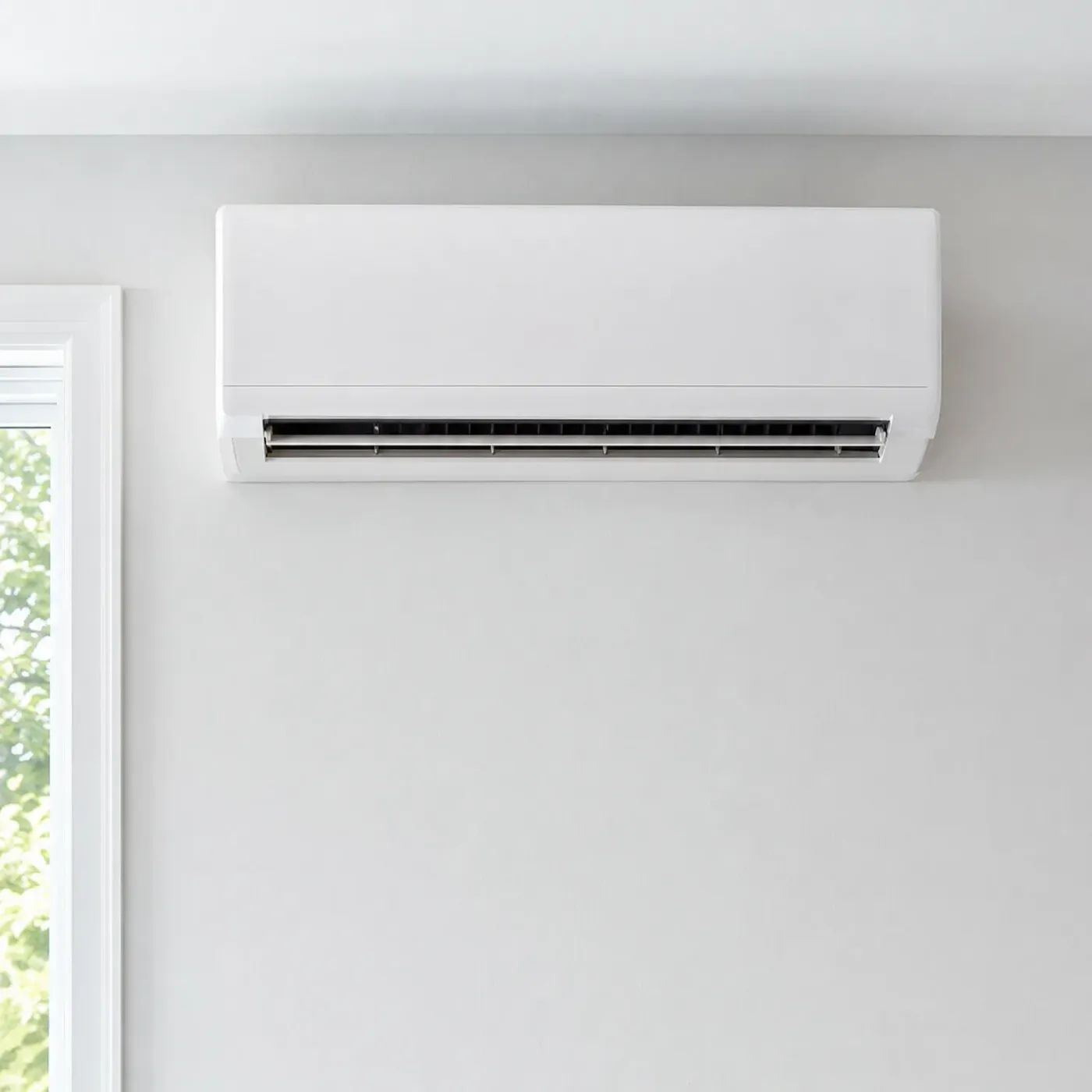
A mini split that's draining right looks like this, mounted clean near the ceiling with the casing white and unmarked. It sits quiet against the wall and does its job out of sight. No drip on the sill, no stain forming on the wall below it.
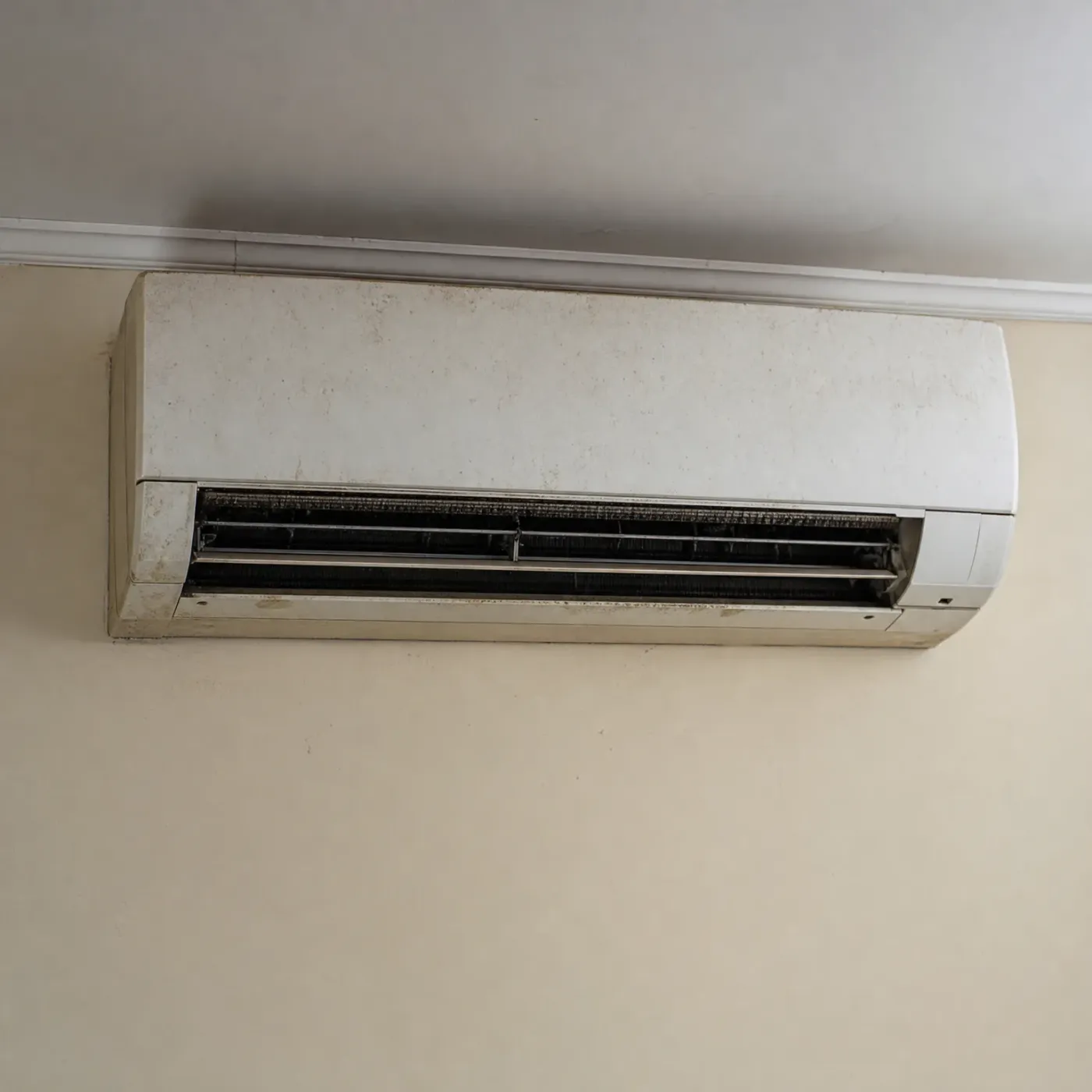
Dust and grime cover the casing, and the panel hangs open showing a dirty filter underneath. A unit that looks like this has likely been struggling for a while, not just today. Grime this heavy usually means the drain has been backing up long enough to show on the outside.

Water on the floor or the wall below your mini split comes down to the same thing almost every time. The drain line is clogged, the pan has cracked, or the line was never sloped right to begin with. None of those fix themselves, and none of them need guessing once someone's looked at the unit.
Fill out the form and you're done hunting for who to call. A contractor who works on mini splits in Scott County gets your information and reaches out to you. From there it's their job to find out which of these it is and get your unit back to draining the way it should.

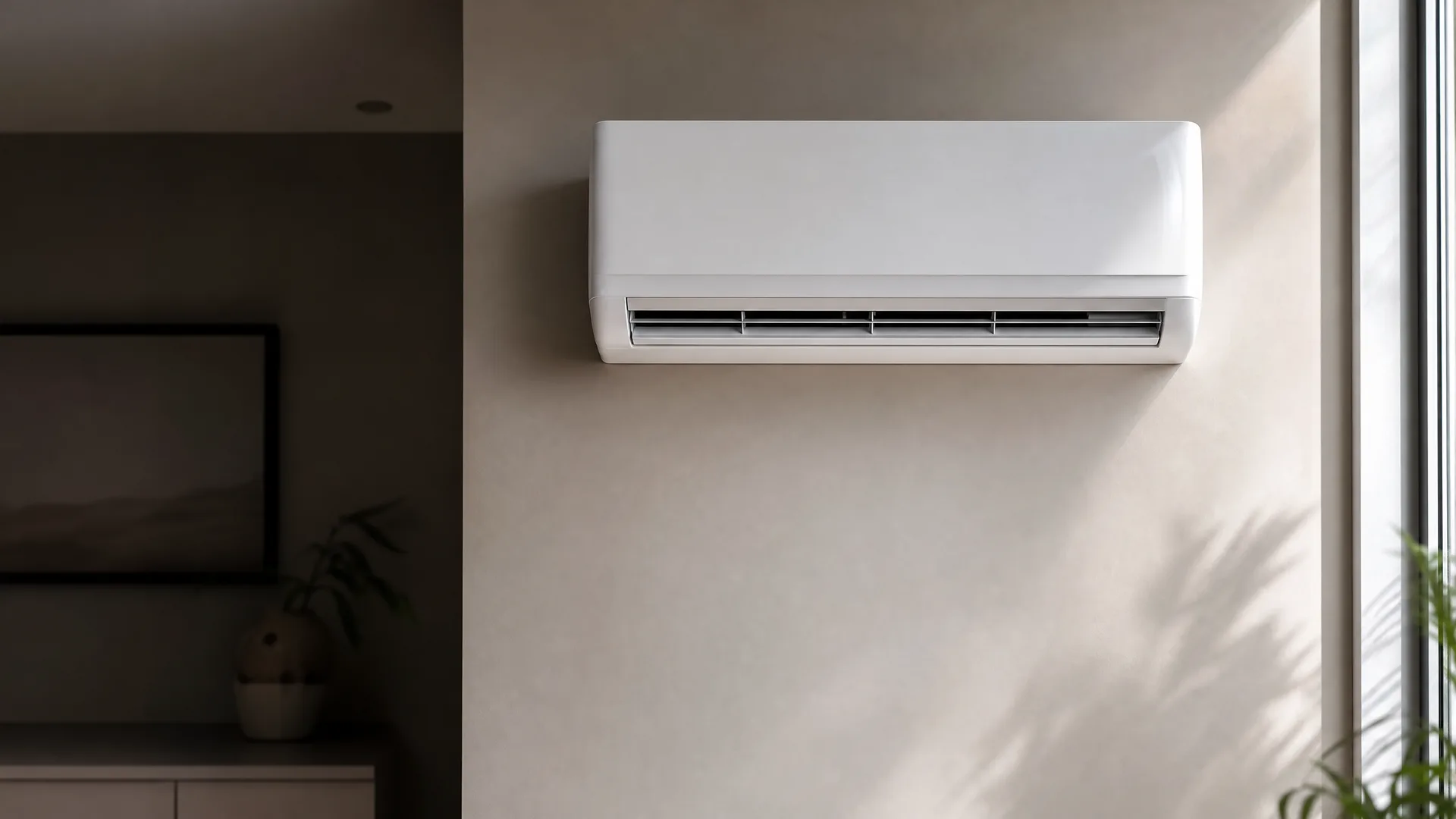
The right pro for this job