
Call now
You get a licensed contractor on the schedule without spending your evening calling around Waterloo and repeating the same description of the noise to every one of them.
A mini split that clicks, buzzes or rattles is telling you something, and in Waterloo you want it settled before summer turns muggy or winter gets hard. A gas furnace might cover the rest of the house, but if that mini split is doing the work in a sunroom or a garage, a strange noise now means no relief when you need it most. Tracking down a contractor who answers, shows up, and knows this equipment can eat an afternoon: searching, calling around, explaining the same noise to three different people, then sorting through quotes that don't match up. Send the form here instead and that search stops being yours to run. You get matched with someone local who works on mini splits in Black Hawk County, and the legwork of finding them is off your plate. Power here is cheap enough that running one isn't the worry. A noise that doesn't belong is.
A mini split that clicks, buzzes or rattles is usually telling you something specific, not just making noise. Clicking when it starts or stops is normal, the plastic housing expanding as it heats and cools. A buzzing sound points to something electrical, often the contactor or a loose part vibrating against the cabinet. Rattling or a grinding noise usually means the indoor fan blade is hitting something or the outdoor fan motor is wearing out. A hissing sound can mean refrigerant escaping, and that unit will lose cooling or heating power until it's found and sealed. Ice on the outdoor unit in winter paired with a loud buzz often means the defrost cycle isn't working right, which matters here once the cold sets in for good. The sound almost always tells you which part is at fault before anyone opens the unit up.
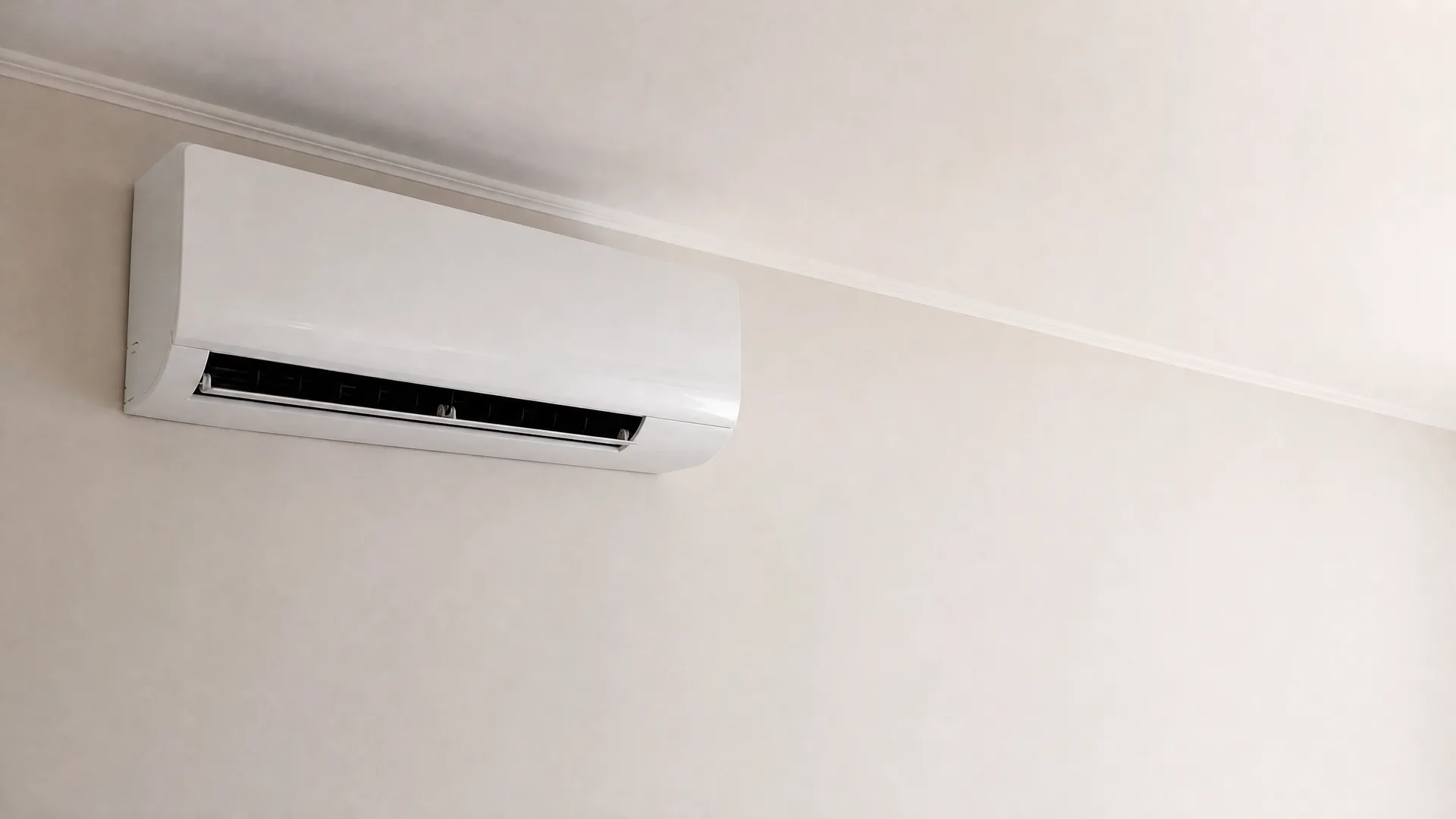
The compressor and the indoor fan both change speed to match the room, so the sound of a mini split shifts through the day. A rattle that only shows up when the unit is working hardest, on the coldest nights or the stickiest afternoons, usually traces to a fan blade hitting something loose or a mounting bracket that has worked free. A sound that stays the same no matter the load points somewhere else, often the compressor itself.
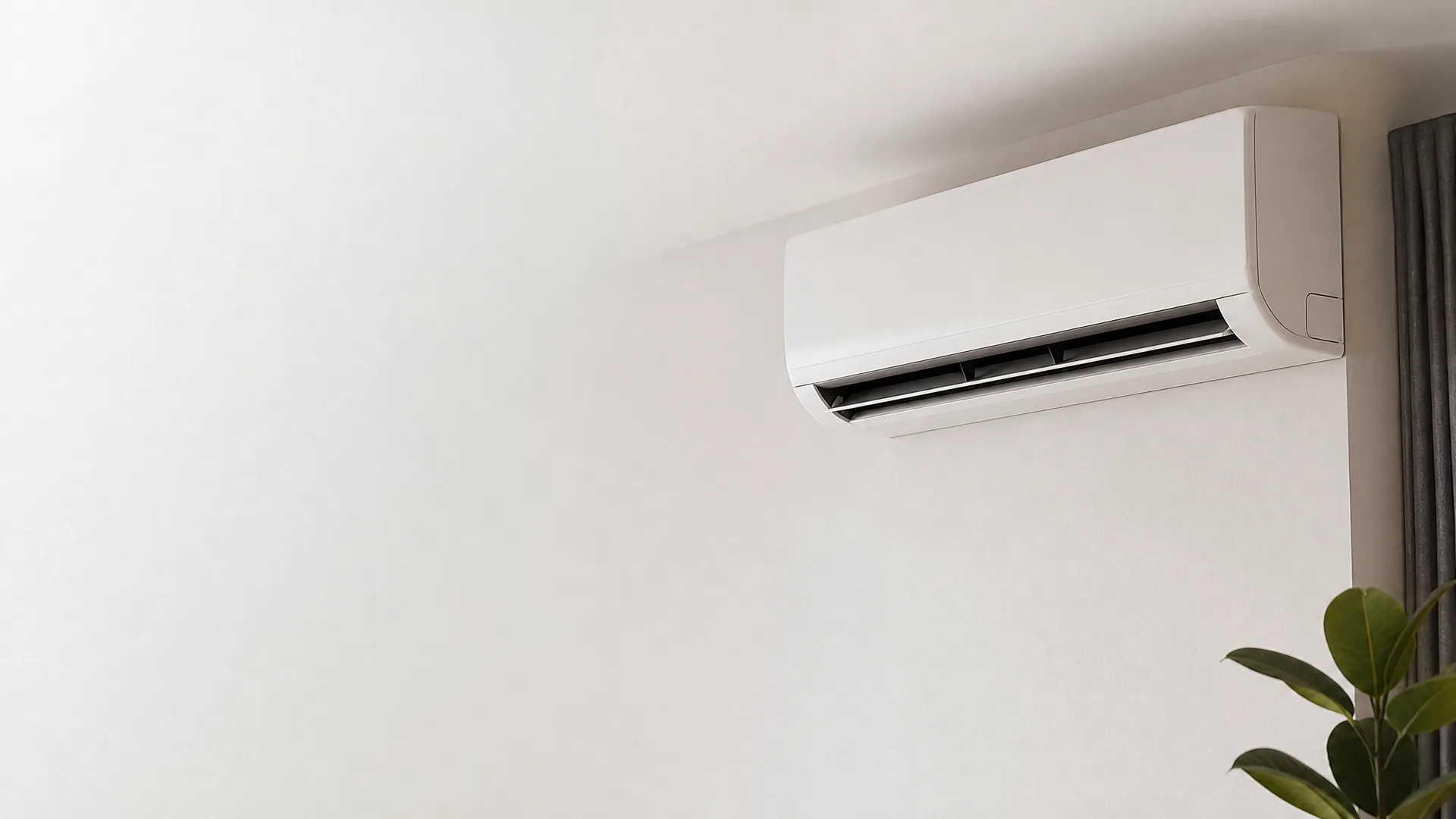
The outdoor unit sits outside year round, through Waterloo winters and summers both, and it takes the brunt of ice, leaves and grass clippings. A grinding or scraping noise from outside often means something is caught in the fan blade or the fan itself is hitting its housing. Check it before assuming the noise is coming from indoors. A unit that is tilted or sitting unevenly on its pad can also cause a knock that was not there when it was installed.
Cooling runs June through August
Cooling runs June through August. Three months of steady use is enough for a loose part or a worn fan blade to turn into a rattle you can't ignore.
Heat runs October through May
Heat runs October through May. That's eight months leaning on the same unit, which is more time for a noise to show up than most people expect.
Power here costs 11.96 cents per kilowatt-hour
Power here costs 11.96 cents per kilowatt-hour. A mini split working harder than it should, because of a bad motor or dirty coil, still shows up on that rate.
NOAA nClimDiv 1991-2020 · EIA-861 2025
Most mini split noise traces back to one of a handful of places, and each has its own sound. A hiss or a gurgle near the indoor unit, especially if it's running weaker than it used to, points to refrigerant rather than anything mechanical. That's not a sound to wait out. Outside, the compressor sits on rubber feet meant to isolate vibration from the mounting pad. Iowa weather works those feet loose over time, and once one wears out or shifts, the cabinet buzzes against the pad every time the compressor cycles on. Inside the same unit, a fan blade that's come loose on its hub ticks or slaps, and the sound speeds up as the fan ramps up to move more air. Cold snaps bring their own noise. Ice forms on the outdoor coil during a defrost cycle, and you'll hear it crack as it builds and drip as it melts off, which on its own is normal. What's not normal is water finding its way into the indoor unit instead of out the drain line. A clogged condensate line backs up and shows as a gurgle or a drip you can hear from across the room. And sometimes the fix is as small as it sounds: the screws holding the indoor unit's cover tighten against a gasket that compresses over years, and once they're loose enough, the panel buzzes against the housing every time the fan kicks on.




You get a licensed contractor on the schedule without spending your evening calling around Waterloo and repeating the same description of the noise to every one of them.
The sound stays and usually gets louder as the part wears further, so the job it eventually needs tends to be bigger than the one it needs now.
Walk past the indoor unit and listen for where the sound is coming from. A rattle near the wall plate usually means a mounting bracket has worked loose. A buzz from the outdoor unit can mean the fan blade is hitting something or the compressor mount has shifted. If you smell anything musty near the indoor head, that's a different problem than noise alone, and it points to moisture where it shouldn't be. None of this fixes itself. A loose part keeps moving every time the unit cycles, and a fan blade that's already bent will wear unevenly until it fails outright, usually on the day you need the unit most.


You've already read what the sound might mean. Figuring out which one it is, and what to do about it, is a different job, the kind that means climbing up to look at the mounting bracket or opening the outdoor unit to check the fan blade. Most people in Waterloo don't have a ladder out for that on a Tuesday night in July. Calling around for someone who works on mini splits, explaining the sound to each one, waiting to see who calls back first, that's the part that eats an evening. Send the request once and that search is off your plate. The noise itself won't wait for a convenient week, not through another three months of cooling or eight months of heat, and the part making it isn't fixing itself in the meantime. Get it in front of someone who can put a hand on the unit and tell you what's actually loose, worn or shifted.
Keep running it the way it sounds now. Nothing about a noisy mini split stops it from cooling or heating the room, so you can live with the sound for a while without losing comfort.
But the part making that sound is already working harder than it should, and a loose bracket or a worn fan blade does not fix itself. Left alone through a Waterloo summer or winter, it wears further and the repair gets bigger.
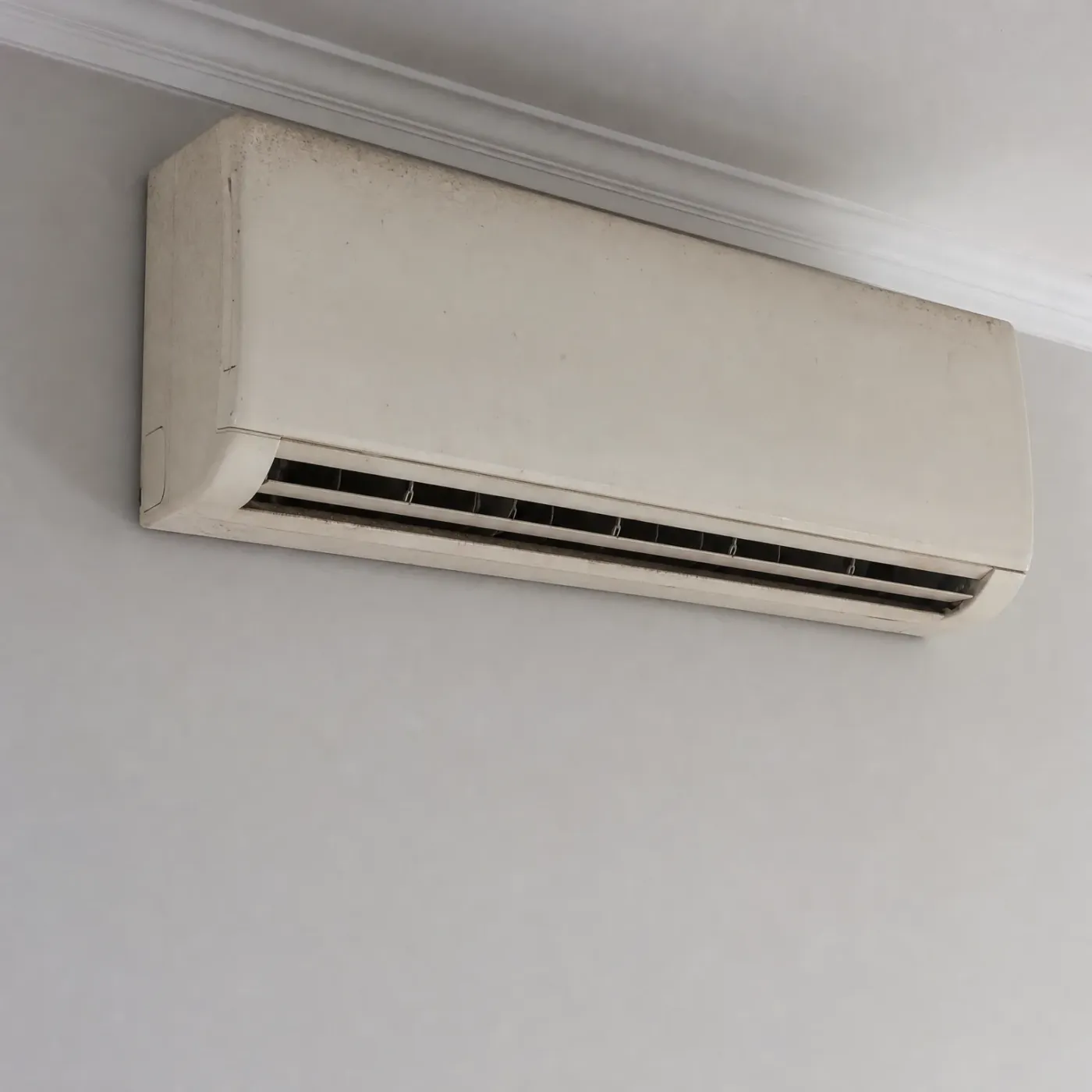
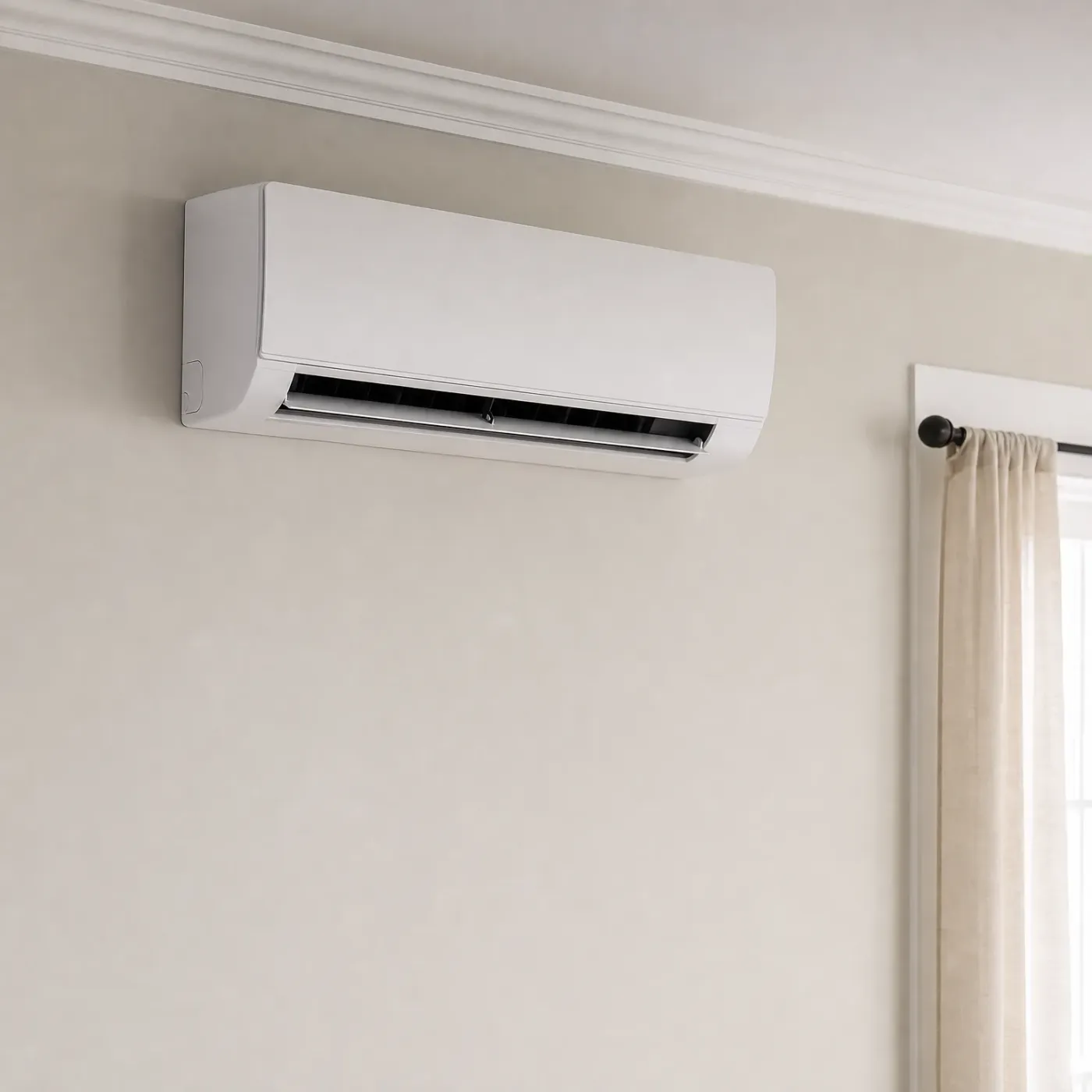
The noise is still there every time the unit cycles on. You notice it in the sunroom when the compressor kicks in, or at night when the fan ramps up and that buzz or rattle starts again. You've already listened for where it's coming from, but you still don't know if it's a loose bracket, a worn fan blade, or something in the compressor itself. Calling around Waterloo to find someone who can look at it, explaining the sound over and over, comparing who can actually get out there soon, that's still sitting on your list while the unit keeps making the same sound.
The mini split runs the way it did before you ever noticed the sound. The compressor starts and stops without the buzz, the fan spins without the rattle against the housing. You're not listening for it anymore when you walk past the indoor unit or hear the outdoor one kick on. The part that was loose or worn has been found and dealt with by someone licensed to do it, and you didn't spend your evenings calling contractors around Waterloo to get there. The room cools or heats the way it's supposed to, and the sound is gone.
Three months of steady cooling is short next to the winter your mini split also covers, but it's enough heat and vibration to work a loose bracket or a tired fan blade loose for good. A noise that starts in June usually hasn't let up by August.
NOAA nClimDiv 1991-2020
A contractor checks the mounting bracket and wall plate for play
Next, the fan blade gets inspected for cracks or warping
Then the outdoor compressor's rubber feet get checked for wear
Refrigerant lines get checked for the hiss or gurgle of a leak

A mini split that clicks, buzzes or rattles has a cause, and the cause is one of a handful of things: a loose mounting bracket, a tired fan blade, worn rubber feet under the outdoor compressor, or a refrigerant leak hissing near the indoor unit. Nothing about that sound fixes itself, and nothing about it means the unit stops working. It means a part is already under more strain than it should be, in a Waterloo summer that asks three straight months of steady cooling from it and a winter that asks eight.
You don't have to figure out which one it is on your own, and you don't have to spend an evening calling around Waterloo to find someone who will. Send the form and a licensed contractor gets on your schedule, the same way, without you repeating the sound over the phone to three different companies or sorting through quotes to see who actually knows mini splits. You already know what you heard. What happens next is someone else's job now.


Hand off the search today