Split Systems IA
A white wall-mounted mini-split indoor unit near the ceiling of a dimly lit room, with a curtained window at right, a leafy potted plant at lower left, and a cushioned sofa at the bottom.

No calling every shop in Story County

Mini split not heating in Ames, IA

A mini split that blows cold air in January usually comes down to one of a few things: a frozen outdoor unit, a bad defrost cycle, or a refrigerant leak. This page gets into what causes each and what to check before deciding it needs a repair visit. Skip the search for someone local who knows these systems, the back and forth calls, and explaining the problem from scratch to every company you find.

Start one form

A mini split that won't heat in a Story County winter is usually fighting ice. The outdoor unit pulls in cold air and the coil frosts up fast when temperatures drop into the teens or lower, which is normal, so the system runs a defrost cycle to clear it. If that cycle isn't kicking in on schedule, or isn't finishing before the compressor starts back up, the coil stays iced over and the indoor head just blows cool air instead of warm. A low refrigerant charge causes the same symptom and is harder to spot, since the unit still runs and still moves air, it just can't move enough heat. Either way, this isn't something to fix by letting it run longer or turning the thermostat up. A mini split stuck like this through a hard Iowa cold snap needs someone to check the defrost board, the coil, and the charge, in that order.

How much should your mini split actually be running in Ames?

  • Cooling runs June through August

    Eight months of heat means a lot of hours asking the outdoor unit to pull warmth from cold air, which is exactly when defrost cycles and frost buildup show up.

  • Heat runs October through May

    Three months of cooling is short next to that, so if a mini split is already acting up in fall, it's carrying the bigger seasonal load with little rest before winter.

  • Power here costs 13.63 cents per kilowatt-hour

    At 13.63 cents per kilowatt-hour, a mini split stuck in a bad defrost loop or running an auxiliary strip to compensate adds up fast on the bill.

NOAA nClimDiv 1991-2020 · EIA-861 2025

Frost you can see

Open the panel or step outside and look at the coil. A thin layer of frost that clears during a defrost cycle is normal in Story County cold snaps. A thick coat of ice that doesn't go away, or ice building up on the line set running to the indoor head, points to something off: a dirty coil, a fan that isn't spinning the way it should, or a refrigerant charge that's too low to let the system defrost itself properly. That's a repair call, not something to wait out.


No frost, still no heat

If the outdoor unit is clean and dry and the indoor head is still blowing cold or barely warm air, ice isn't the problem. Check the thermostat or remote is actually set to heat and not fan only, and check nothing is blocking the indoor unit's airflow. If all that checks out and the air coming out still isn't warm, you're likely looking at a compressor that isn't working right or a refrigerant leak, and that needs someone to get a gauge on it.

A gray-haired bearded man in a dark knit sweater sits on a light gray sofa in a sunlit living room, looking to his left, with a framed artwork, a potted palm, and a curtained glass door behind him.
A middle-aged man in a dark green sweater sits on a light grey sofa looking toward a sunlit window, with a wooden shelving unit, lamp and potted plants in the background.
A man in a dark green sweater sits on a light grey sofa in a sunlit living room, looking to his left, with a shelving unit, houseplants, framed art and a large window behind him.
A gray-haired bearded man in a dark green sweater sits on a light gray sofa in a sunlit living room with a potted plant, framed picture, and dark shelving in the background.

Why defrost cycles exist at all

A mini split heats by pulling warmth out of outside air, even air well below freezing. Doing that means running the outdoor coil colder than the air around it, and that coil picks up frost the same way a windshield does on a cold morning. Left alone, that frost would thicken into ice and block airflow through the coil entirely. So the system is built to reverse itself for a few minutes every so often, running warm refrigerant backward through the outdoor coil to melt what's built up. You may see steam or hear the fan stop during this. That's the system working, not failing.

When the cycle stops working

The defrost cycle depends on a sensor reading the coil's temperature and a control board deciding when to trigger it. If that sensor is reading wrong, or the reversing valve that redirects refrigerant doesn't open the way it should, the coil keeps icing with nothing to stop it. Refrigerant level matters too. A system low on charge runs the outdoor coil colder than it's supposed to, which makes frost form faster than any defrost cycle can clear it. A tech checks the charge, tests the sensor and valve, and can tell within minutes which of these is actually failing.

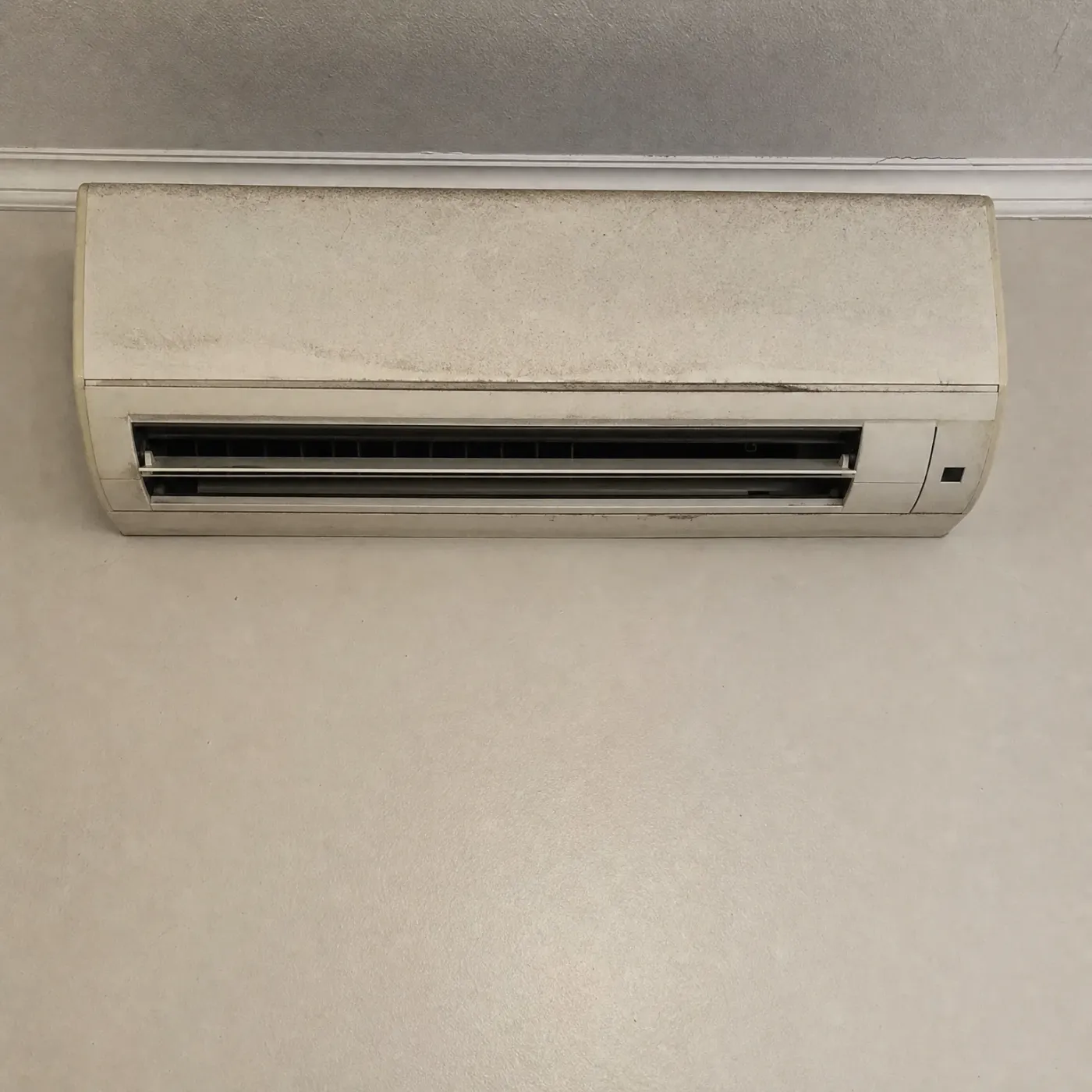
A dusty, discolored wall-mounted mini-split air conditioner indoor unit near the top of a plain light-colored interior wall below a white molding strip.
Before you get your mini split repair
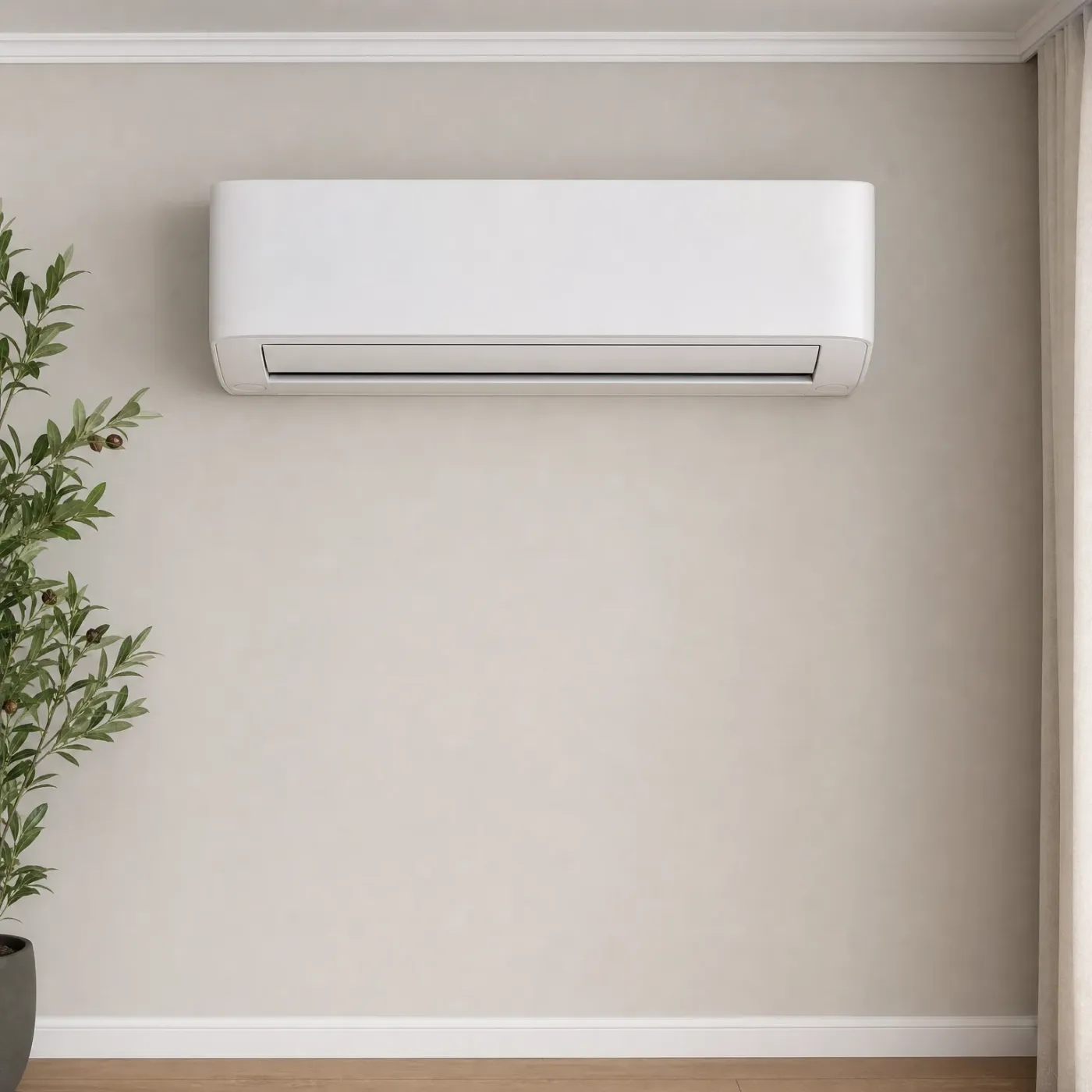
A white wall-mounted mini-split indoor unit on a beige interior wall, with a potted leafy plant at the left and a curtain edge at the right.
After you get your mini split repair

Describe it once

A mini split stuck in a defrost loop or blowing cold on a January night in Ames isn't something to troubleshoot over a few evenings. You could search around for someone who works on ductless systems, call a few of them, explain the frost buildup and the cold air each time, then sit with quotes trying to guess who actually knows these units. Or you could send the details once and have them go to a local contractor who works on mini splits all winter in Story County and has seen what a frozen coil or a bad defrost board looks like in this cold. One contractor gets your request, not five, so you're not fielding calls while your house sits without heat. That matters more here than it would somewhere milder, since a mini split that's lost its heat in a Story County winter isn't a problem that waits well.

A white wall-mounted mini-split air conditioner indoor unit on a plain light-colored wall, with empty space to the right.

What a stuck defrost cycle costs you

When the outdoor unit spends long stretches defrosting instead of heating, the indoor head blows cool or lukewarm air into the room you're sitting in. On a cold night in Story County that means the thermostat setting stops matching what you actually feel, and whatever backup heat you have, baseboard, a furnace, space heaters, starts picking up the difference. That's more fuel or more electricity going to keep the house at the same temperature you used to get from the mini split alone.

A white wall-mounted mini-split air conditioner on a plain light-colored interior wall, with a sheer white curtain and window with green foliage at the right edge.

What ice does to the unit itself

Frost that never clears is weight and restriction. It blocks airflow across the outdoor coil, so the system works harder for less heat, and ice can build up enough to strain the fan blade or press against the line set. Left alone through a Story County winter, that kind of ice load is how a coil gets bent or a fan motor burns out, turning a repair that was about a bad defrost sensor into one that includes a damaged outdoor unit.

Cooling runs June through August

Three summer months is a light workload next to the eight it spends trying to heat your home. That lopsided split is why the outdoor unit sees so much more wear from cold-weather strain than from cooling, and why a heating problem shows up here before a cooling one does.

NOAA nClimDiv 1991-2020

A woman with shoulder-length dark brown hair in a cream knit cardigan sits in an upholstered armchair beside a window, looking off to the side, with a white bookshelf and potted plant blurred behind her.
A woman with dark hair in a bun sits on a sofa with a child resting his head on her shoulder, both wrapped in a cream knit blanket, with a lit lamp and bookshelf in the dim background.

Where this leaves you

  • A mini split that won't heat in Ames usually points to ice on the outdoor coil, a defrost cycle that isn't finishing, or a refrigerant leak.
  • Frost that clears on its own during a defrost cycle is normal in a Story County cold snap, but ice that stays or builds on the line set is not.
  • A unit stuck blowing cool air for long stretches on a cold night means the defrost cycle isn't resetting the way it should.
  • Someone who services ductless systems through an Ames winter has seen these same frost and defrost problems many times over.
  • One licensed local contractor takes the call, so you explain the frost buildup once instead of repeating it to several companies.
  • Sorting out whether it's ice, a bad defrost board, or a refrigerant leak is a job for someone who works on this equipment all season, not a guess made from the couch.

If your mini split won't heat, the cause is almost always one of three things: ice that isn't clearing off the outdoor coil, a defrost cycle that isn't finishing its reset, or refrigerant that's low from a leak. A thin frost that disappears after the unit defrosts is just how these systems handle a Story County cold snap. Ice that stays put, or builds up on the line set, is not something to wait out. Neither is an indoor head that keeps blowing cool air for long stretches on a night when you need the heat to hold.

None of that is something to sort out by watching the outdoor unit from the kitchen window. It's a job for someone who's spent winters servicing ductless systems in this area and knows which of those three it usually turns out to be before they even open the panel. That kind of experience is what tells the difference between a defrost board that needs resetting and a slow leak that's going to keep coming back.

You get matched with one licensed, local contractor for this, not a handful of companies competing for the job. That means you walk through what the outdoor unit has been doing, the frost, the cold air, how long it's been going on, one time, to someone who's already heard versions of this story from other homes nearby this winter.

A white wall-mounted mini-split air conditioner high on a dim gray interior wall, with a potted thin-leaved plant, dark curtains and a window at left and a dark sofa at bottom.

No phone calls to make

The pro who gets in touch is licensed in Iowa and works in Story County.

Step 1 of 3: Equipment