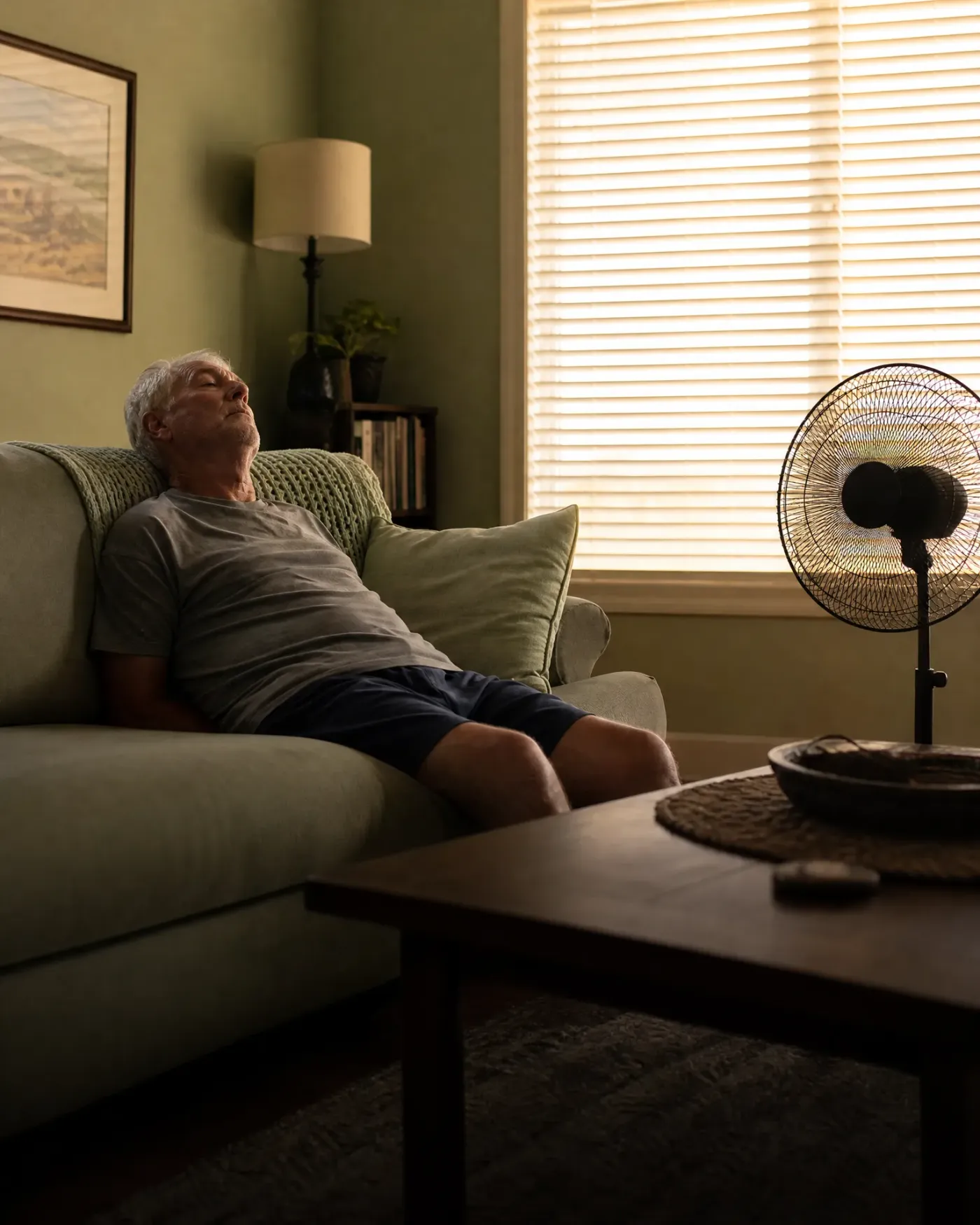
Running the way it should
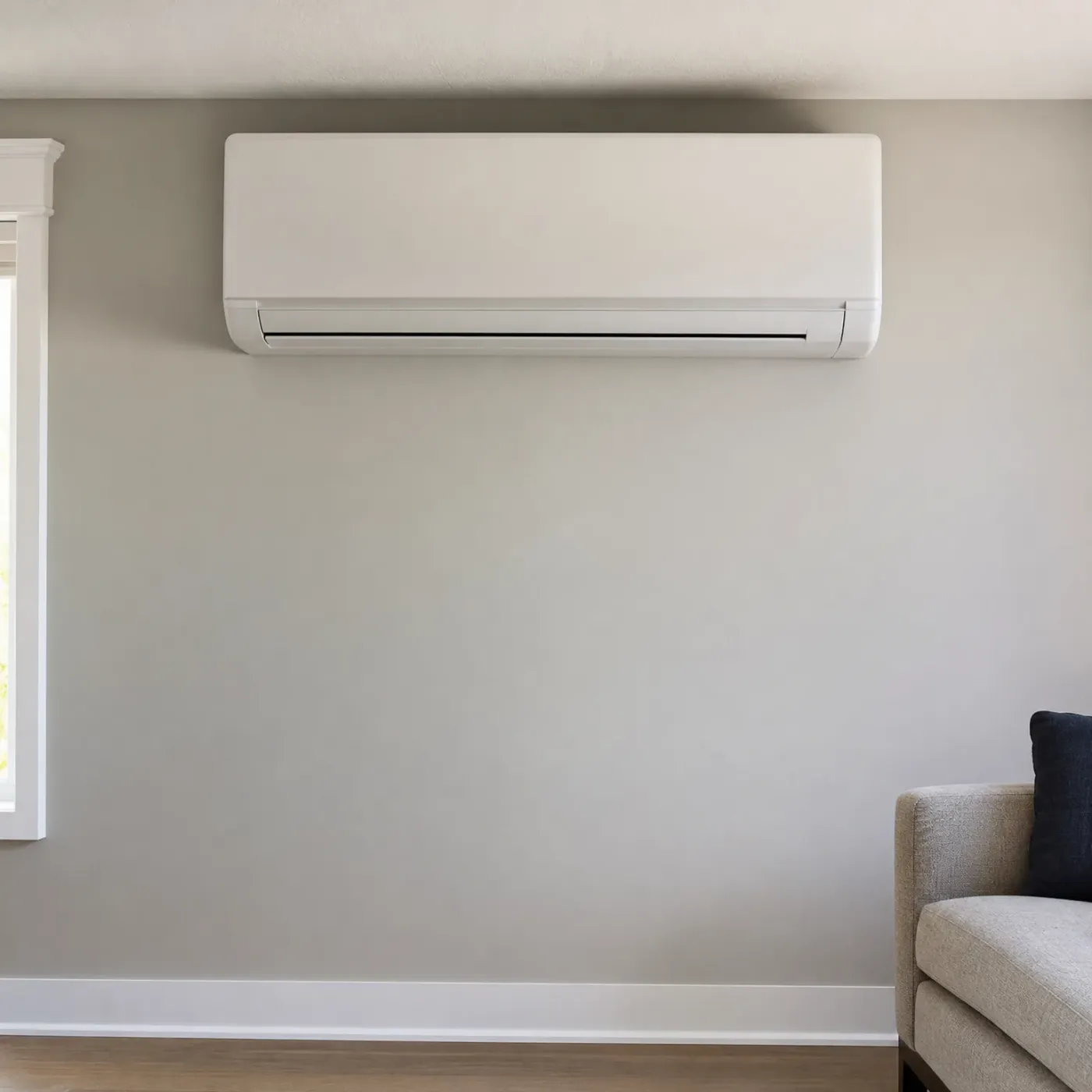
Warm air moves steady from the vents, the fan cycles on and off instead of running flat out, and the room holds its temperature. The outdoor unit frosts up now and then in the cold, then clears itself and keeps going.
A mini split that won't heat in cold weather is usually fighting ice. Below freezing, the outdoor unit's coil picks up frost, and the system has to run a defrost cycle to clear it before it can push warm air again. If it's stuck in defrost, or running it too often without catching up, you'll feel only cool air or none at all, especially on the coldest Cedar Rapids nights. It can also come down to a low refrigerant charge, a failed defrost sensor, or a blocked outdoor coil that can't shed frost fast enough once temperatures drop hard. Some of this clears itself once the air warms back up. If it doesn't, or if one side of the house stays cold while the rest heats fine, the unit needs a technician to check the charge and the defrost controls directly, since those aren't things you can diagnose by looking at the vents.
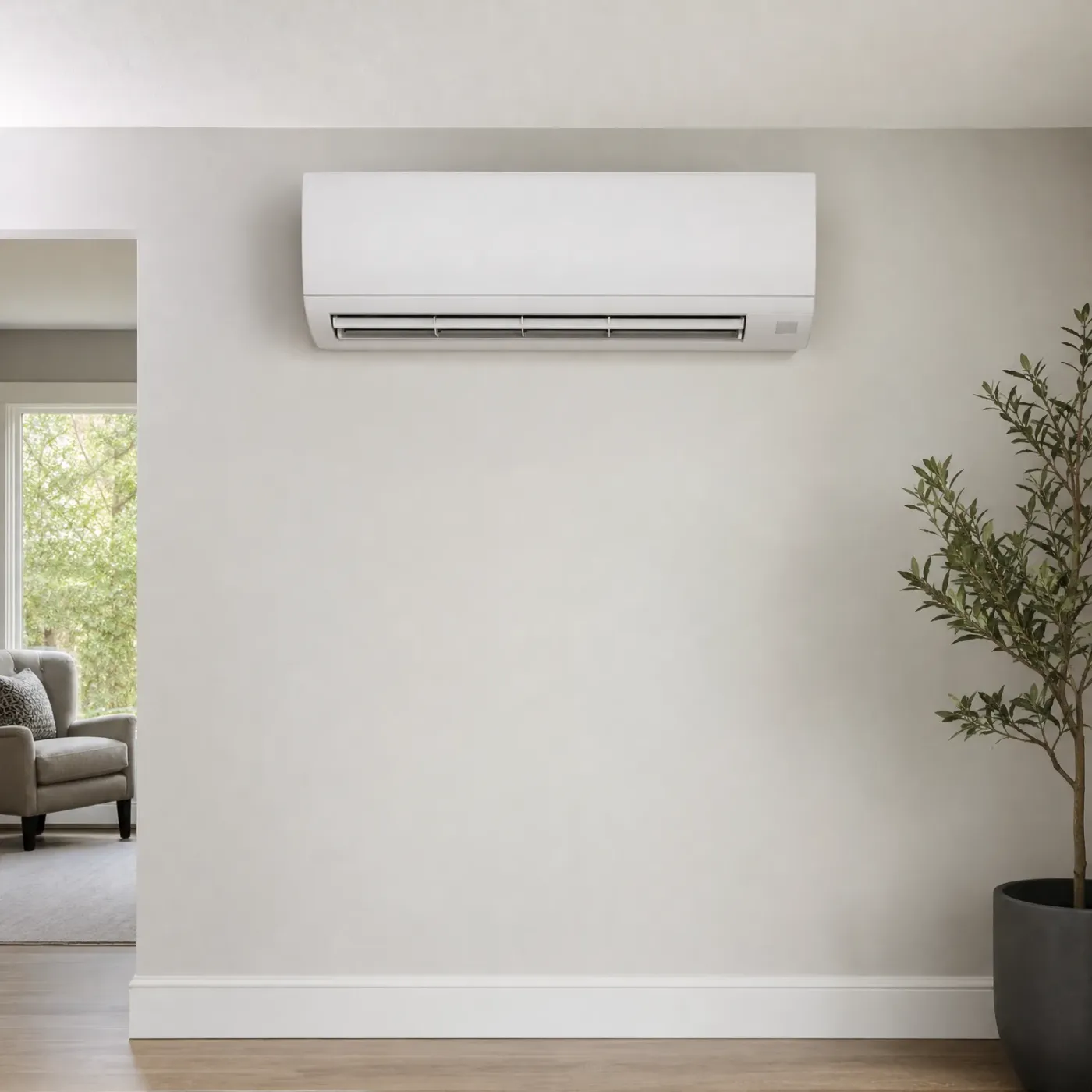
Warm air moves steady from the vents, the fan cycles on and off instead of running flat out, and the room holds its temperature. The outdoor unit frosts up now and then in the cold, then clears itself and keeps going.
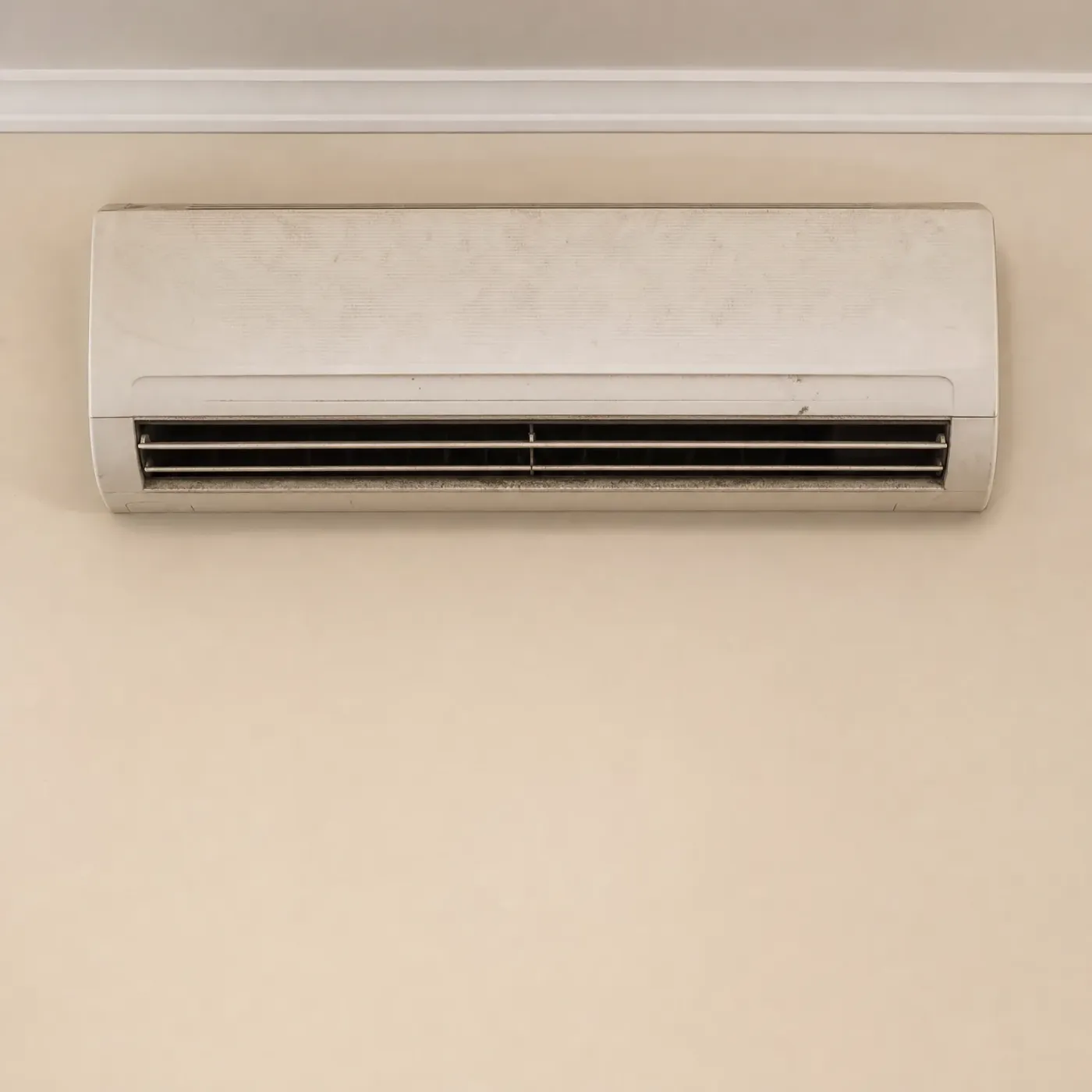
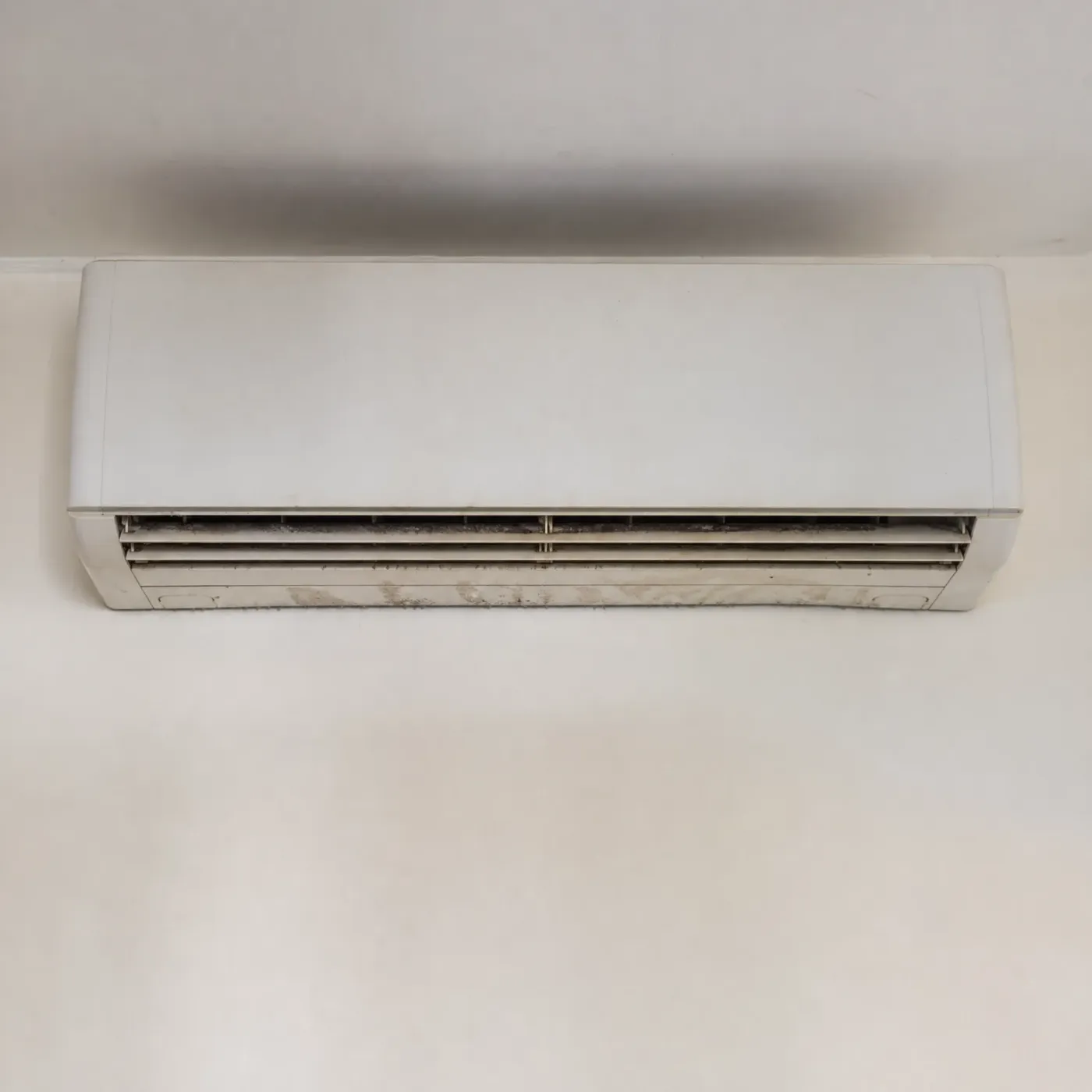
A coil caked with dust can't pull heat from the outside air the way it should, so the defrost cycle runs longer and the house still feels cold. If the vents on yours look like this, that buildup is working against it.
Cooling runs June through August
Heat runs about eight months a year here, October through May, so the outdoor unit spends most of its life pulling warmth from cold air.
Heat runs October through May
Cooling only runs about three months, June through August, so it's the heating side that gets asked to do the hard work most of the year.
Power here costs 16.91 cents per kilowatt-hour
At 16.91 cents per kilowatt-hour, a mini split straining to heat on electric backup instead of its normal cycle shows up fast on the bill.
NOAA nClimDiv 1991-2020 · EIA-861 2025
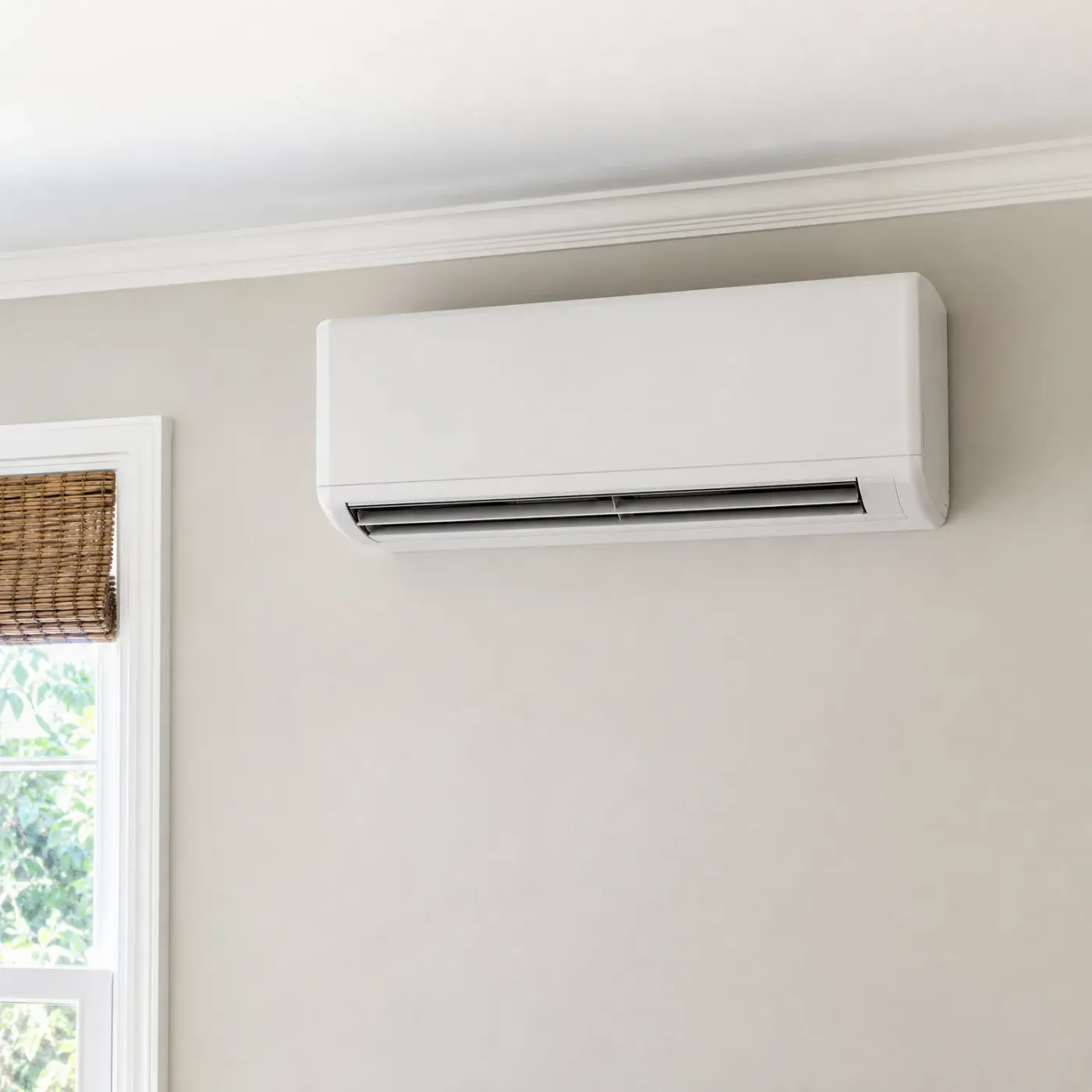
Air coming out of the vents feels warm when you hold your hand near the unit. The fan runs steady, not in short bursts, and the room actually warms up instead of staying flat. The outdoor unit sits clean, with no ice built up on the coil or the case around it.
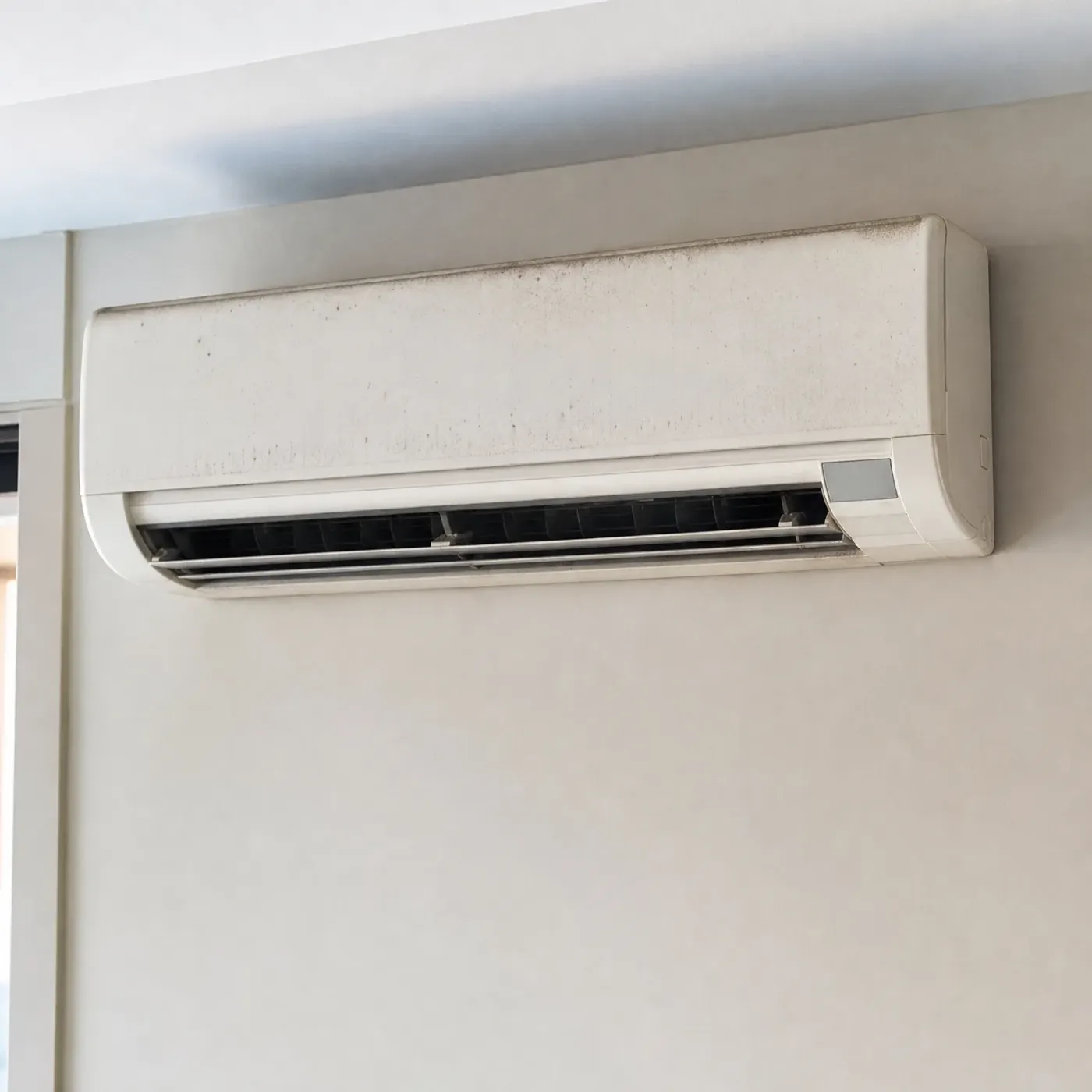
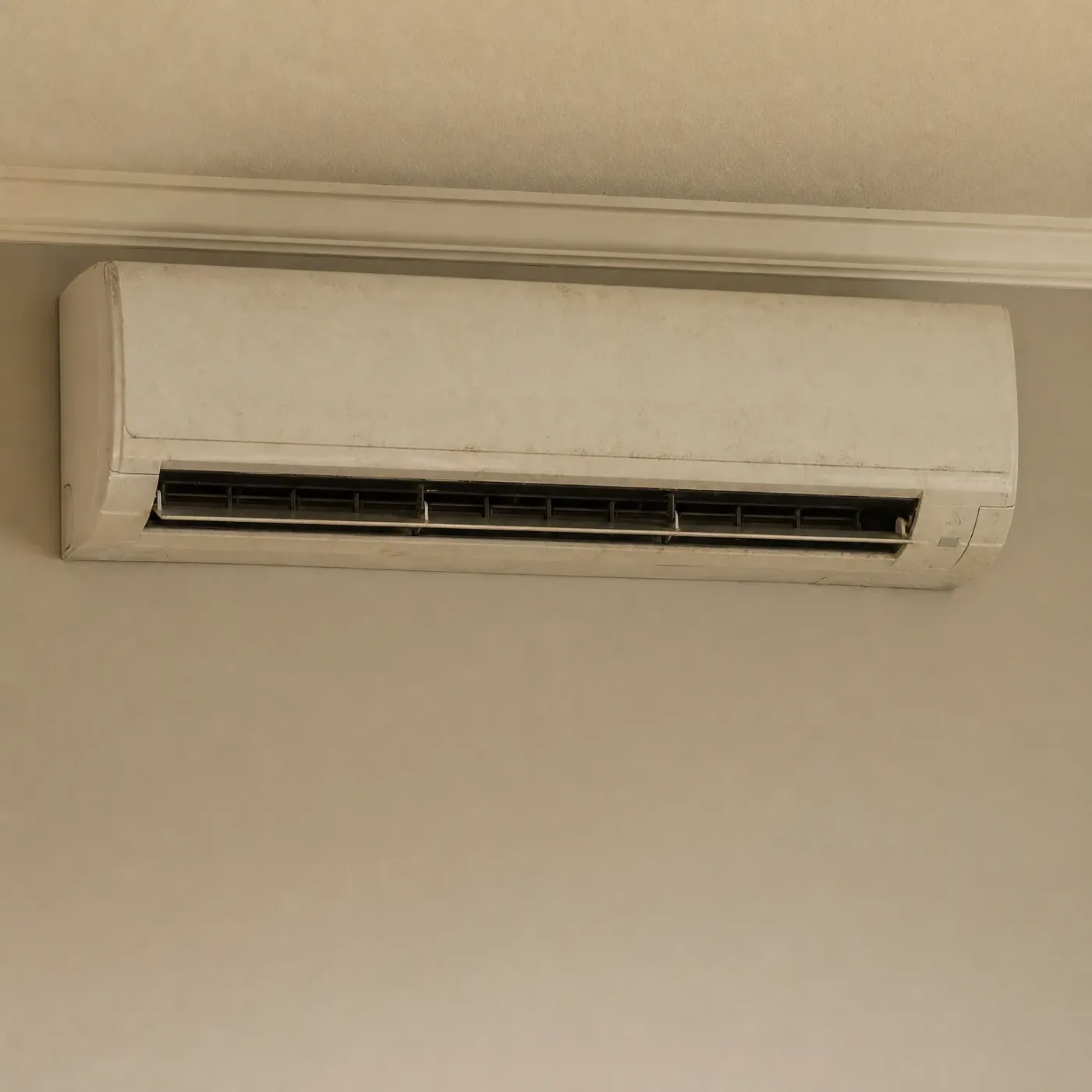
The indoor unit looks dingy, with a gray film across the front panel and grille. That buildup blocks airflow through the coil behind it, so the unit works harder and still puts out air that barely feels warm. Outside, check whether the coil is caked in ice rather than just frosted.
The unit's running, you can hear the fan, but the air coming out feels cold or barely warm. The room it heats never quite gets there, so the thermostat shows a few degrees short of what you set it to. The indoor unit might be blowing nonstop without the house warming up, or cycling off and on more than it used to. Outside, the coil has a thick coat of ice that doesn't seem to clear on its own. If this keeps up through a cold stretch, the room it serves stays cold, and anyone relying on that space for heat is going to feel it, especially if it's the only source of heat in that part of the house.
A mini split pulls heat out of the outside air even when that air is cold, down to well below freezing. In Linn County, that means the outdoor unit is drawing heat from air that's often in the teens or twenties for weeks at a time. The colder the air outside, the harder the compressor has to work to pull any warmth from it, and the more often frost builds on the coil and triggers a defrost cycle.
During defrost, the system briefly reverses itself to melt the frost off the outdoor coil, and the indoor fan usually slows or stops so it isn't blowing cold air into the room. That cycle should last a few minutes, then the unit switches back to heating. If the outdoor coil stays frosted over after defrost ends, or the unit seems to run defrost back to back, something is keeping it from heating the coil enough to clear the ice.
Why does my mini split blow cold air before it warms back up?
When the outdoor coil frosts over, the system reverses itself for a few minutes to melt the ice off before it can go back to heating. During that stretch, the indoor fan either slows way down or keeps blowing, and what comes out feels cold because the system is running the air conditioning side to generate that heat. Once the coil is clear, it switches back and the air warms up again. In Linn County, with weeks of air in the teens and twenties, this can happen several times a day. It only becomes a problem if the unit gets stuck in that cycle, running defrost over and over without ever getting back to steady heat, or if the outdoor unit stays caked in ice instead of clearing.




A licensed pro who repairs mini splits in Linn County gets your request.
You're not committing to anything by asking.
A mini split that defrosts on its own clears in a few minutes. The fan may pause or the air may turn cool for a short stretch, then warm air comes back and the room keeps climbing toward your setpoint. The outdoor unit might do this several times a day when it's in the teens or twenties outside, and that's the system working the way it's built to. If you watch it through one full cycle and it comes back warm on its own, there's nothing to fix yet.
If the outdoor unit stays caked in frost or builds a solid sheet of ice along the coil, it isn't clearing on its own anymore. The fan keeps running, but the air at the vents stays cold, and the room falls further behind the thermostat setting as the hours pass. That points to something keeping the system from finishing its defrost cycle, whether it's a sensor, a valve, or the refrigerant charge. A contractor who works on these units every winter in Linn County can tell which one it is without you having to guess at it yourself.
A mini split doesn't make heat the way a furnace does. It moves heat from outside air into your house, and that means the refrigerant has to run backward from how it runs in summer. The reversing valve is what flips that flow, sending hot refrigerant to the indoor coil so it gives off heat instead of pulling it in. For that to work, the compressor has to ramp up and hold a load, pulling what warmth it can out of cold outside air without stalling partway through. Inside, a thermistor on the indoor coil is checking the air temperature constantly. It's what tells the board when the coil is warm enough to let the fan push air into the room, which is why a cold unit sometimes sits quiet before it opens up. If the charge is low, none of this works the way it should. The compressor still runs, the cycle still happens, but the vents never get past lukewarm no matter how long it runs. Outside, the fan motor has to keep turning through wind and frost buildup, because the coil can't shed heat into the house if the fan stalls. A coil packed with dirt or leaves causes the same drop in heat transfer that a clogged filter causes indoors, just on the outside unit instead.


You'd need to find a contractor who actually works on mini splits, explain the symptoms more than once, and wait to hear back from each one before you can compare.
A licensed Linn County contractor who services mini splits all winter looks at yours, tells you what's actually wrong, and gives you a single quote to weigh.
Three months of cooling means your mini split spends most of the year on heat instead, from fall through spring. That's a lot of hours asking the outdoor unit to pull warmth from cold air, so when it won't heat, it's worth taking seriously rather than waiting out.
NOAA nClimDiv 1991-2020

A mini split that won't warm your house through a Linn County winter almost always comes down to a handful of things: a defrost cycle that's stuck, a dirty coil that can't shed heat the way it should, a low refrigerant charge, or a sensor telling the system something that isn't true. None of those mean the unit is done. They mean something specific is wrong, and a technician who works on this equipment can find which one it is and fix it.
You already know the symptoms, the cold air, the short cycling, the room that never quite gets there. What's left is getting someone qualified to look at the actual unit instead of searching for who that might be, calling a few names, explaining the same problem over again to each one, then sitting with quotes trying to guess who's right. A licensed local contractor who handles mini splits all winter has seen this fail before and knows where to look first.


No charge to send it. You decide if you hire them.
A mini split that sits broken through a Linn County winter means space heaters and higher bills while you wait. Sending this gets a local contractor who works on this equipment all season looking at it, instead of you spending the next few cold nights hoping it fixes itself.