
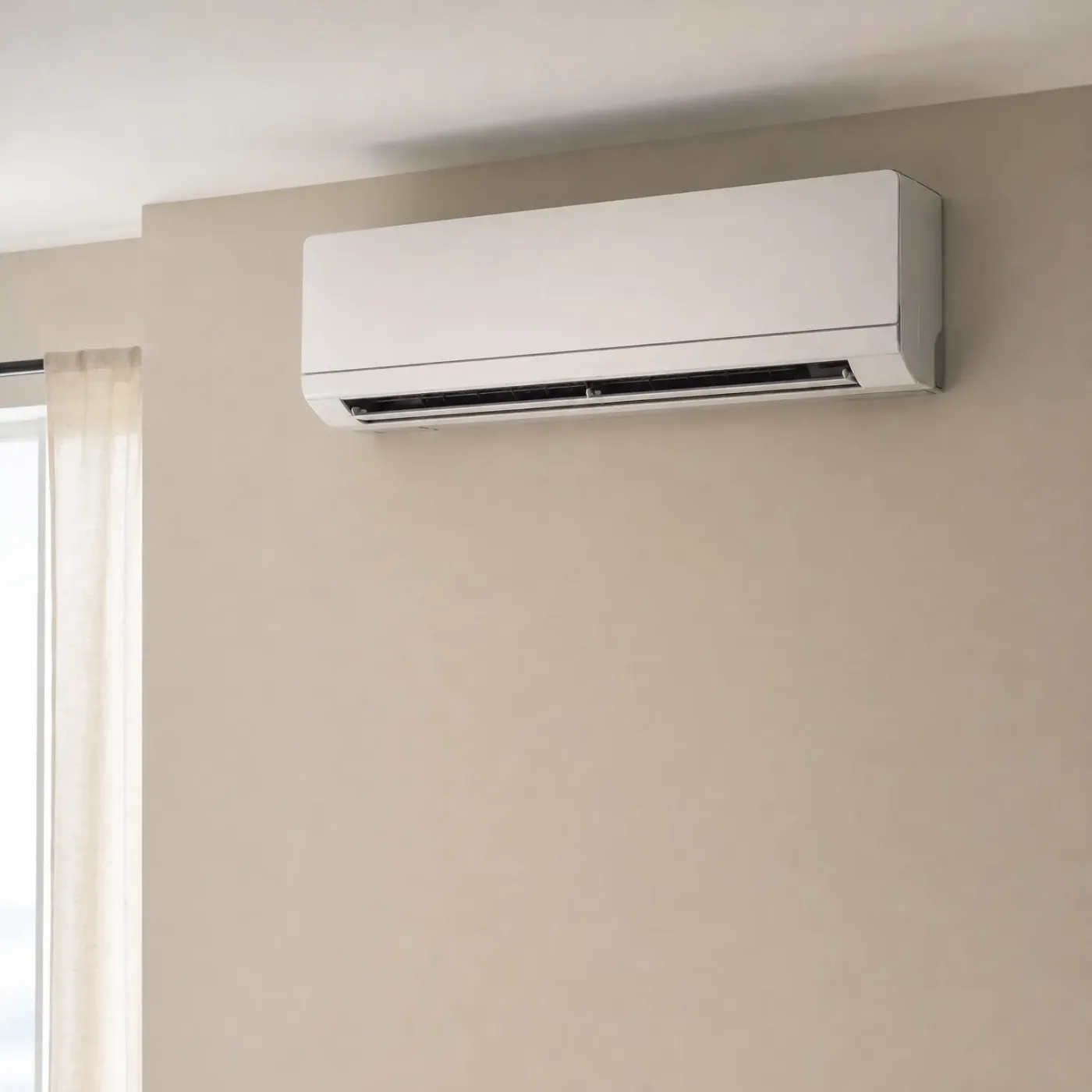
Running clean
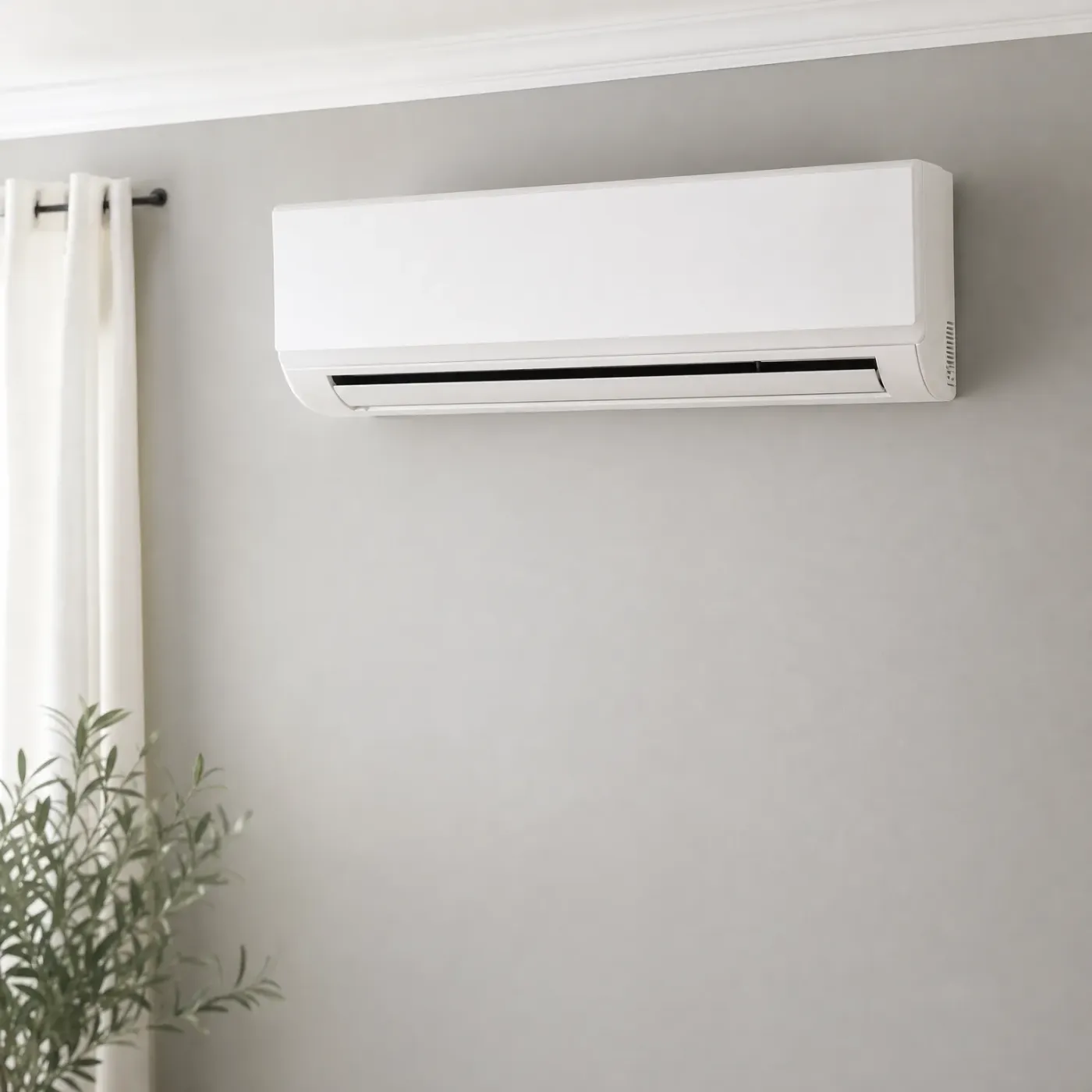
No smell when it kicks on. The coil drains the way it should and the air coming out is just cool, nothing else. This is what a mini split looks like when mold hasn't had the chance to settle into the coil or the drain line.
Your mini split tune-up request goes to a pro who covers Dallas County.
Get a mini split proYou turn the mini split on after it's been idle for a while and the first thing you notice is a musty smell coming through the vents. It fades after a few minutes, or it doesn't, but either way it makes you wonder if something inside the unit is growing mold or if the filter needs attention. In Dallas County, summers get sticky enough that this is a common complaint once the humidity climbs.
A mini split pulls moisture out of the air every time it runs, and that water sits on the coil and drains through a pan and a line. When the unit shuts off, whatever moisture is left behind stays damp in a closed, dark space, and mold starts growing there. The muggy summers around Waukee make this worse, because the indoor unit is pulling more water out of the air than it would in a drier climate, so there's more moisture left behind between cycles. A dirty filter adds to it by slowing airflow across the coil, which keeps it wet longer. The smell you get on startup is that trapped air moving through the coil and pan before the system clears it out.
No smell when it kicks on. The coil drains the way it should and the air coming out is just cool, nothing else. This is what a mini split looks like when mold hasn't had the chance to settle into the coil or the drain line.
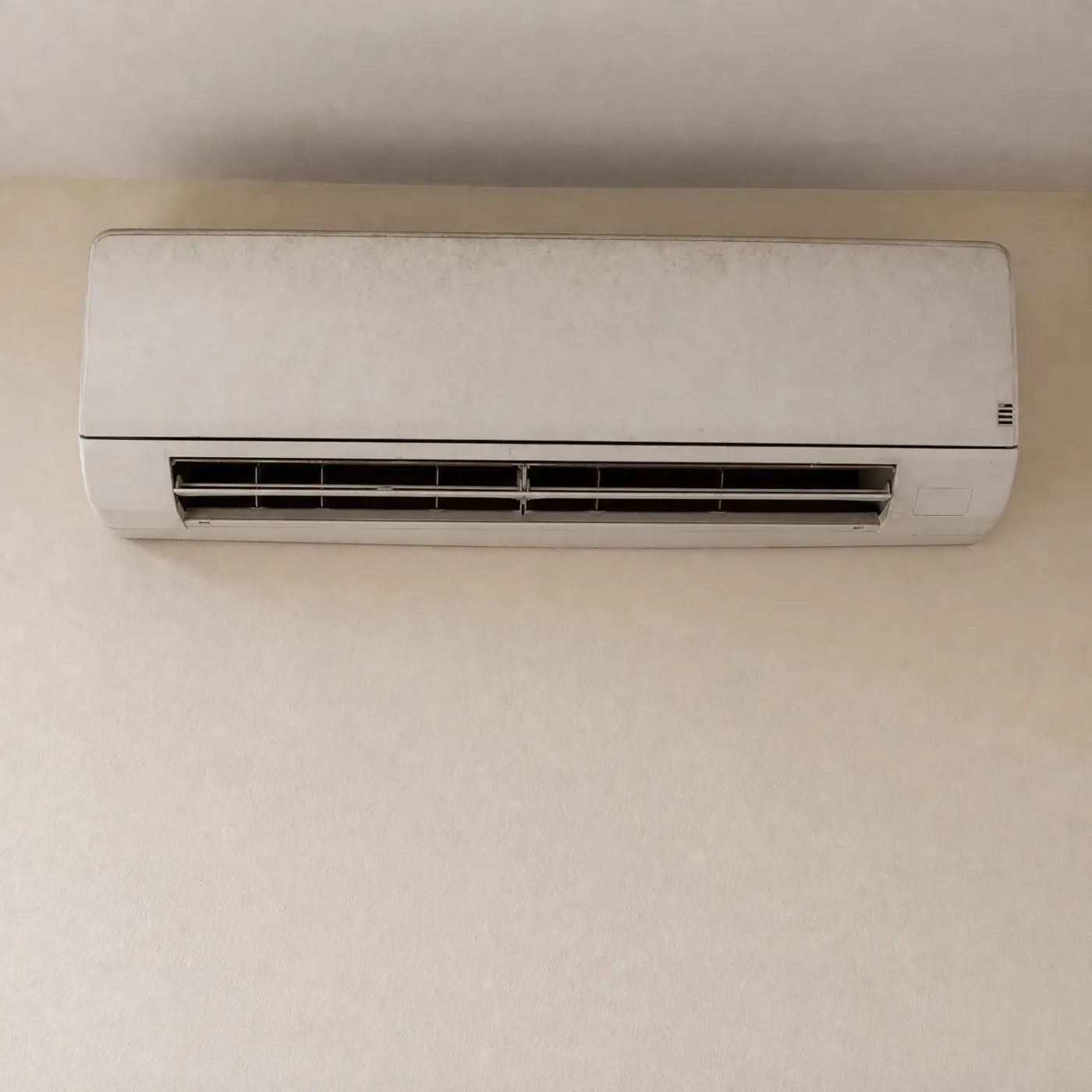
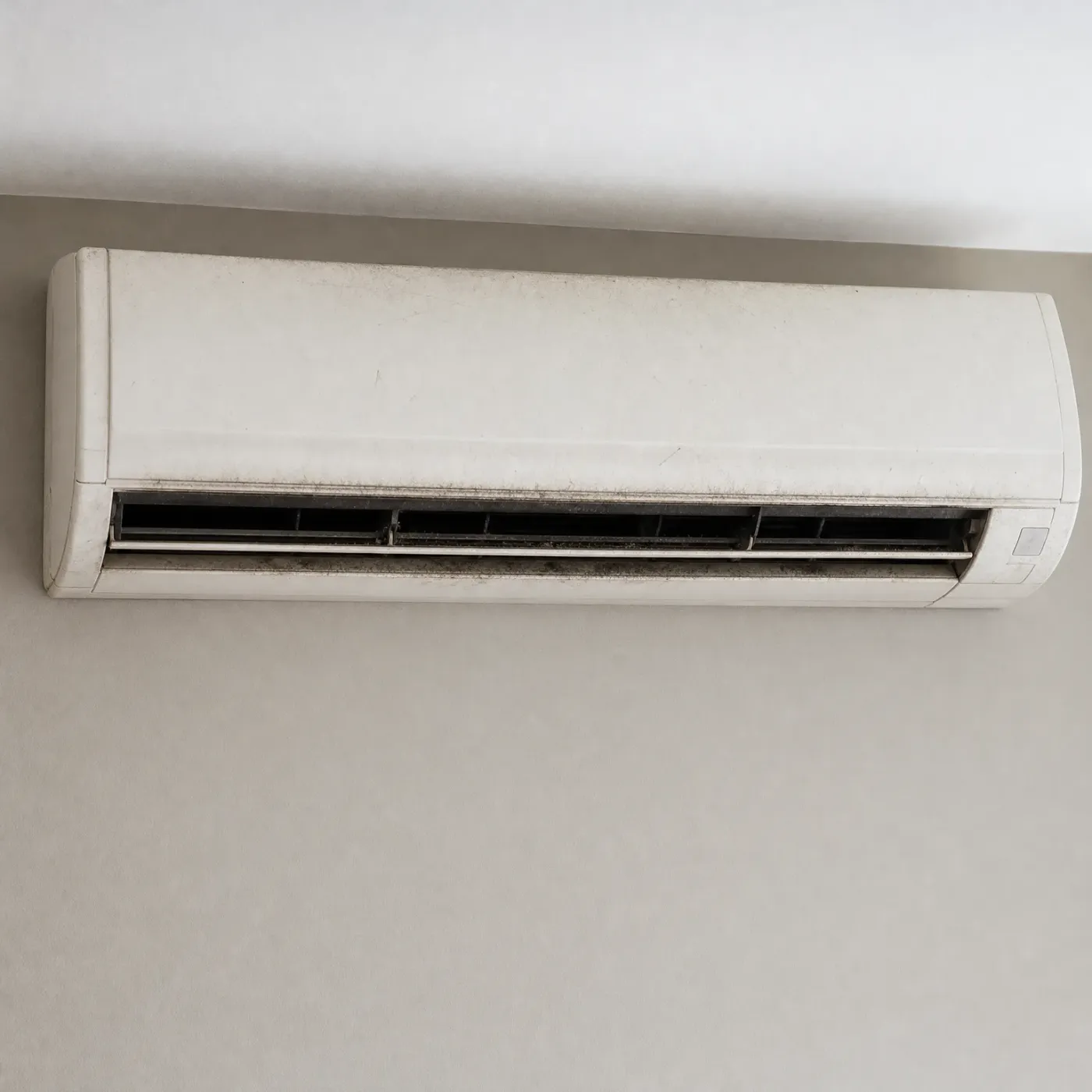
Dust on the housing, the vent louver stuck open, a smell that hits you before the air does. Grime like this on the outside usually means the coil behind it hasn't been cleaned either, which is where that musty smell is coming from.
Cooling runs June through August
Cooling runs June through August, so the coil only drains and dries out three months a year. The rest of the time, whatever is sitting in there stays put.
Heat runs October through May
Heat runs October through May, which means the indoor unit sits with the fan handling warm air, not cold. The coil isn't condensing or draining during those months.
Power here costs 11.54 cents per kilowatt-hour
Power here runs 11.54 cents per kilowatt-hour, cheap enough that a mini split can run alongside gas heat for comfort without adding much to the bill, keeping it in more regular use.
NOAA nClimDiv 1991-2020 · EIA-861 2025




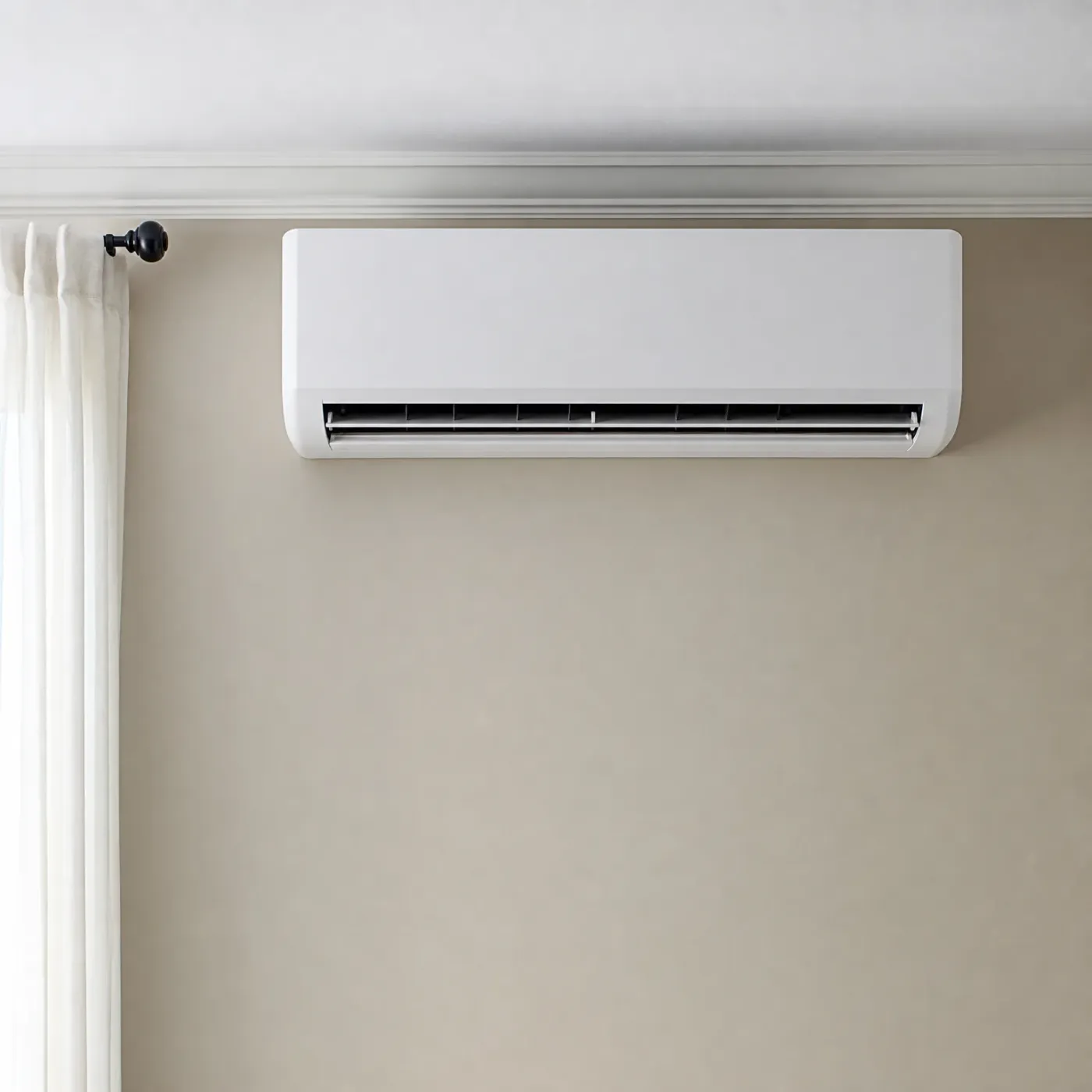
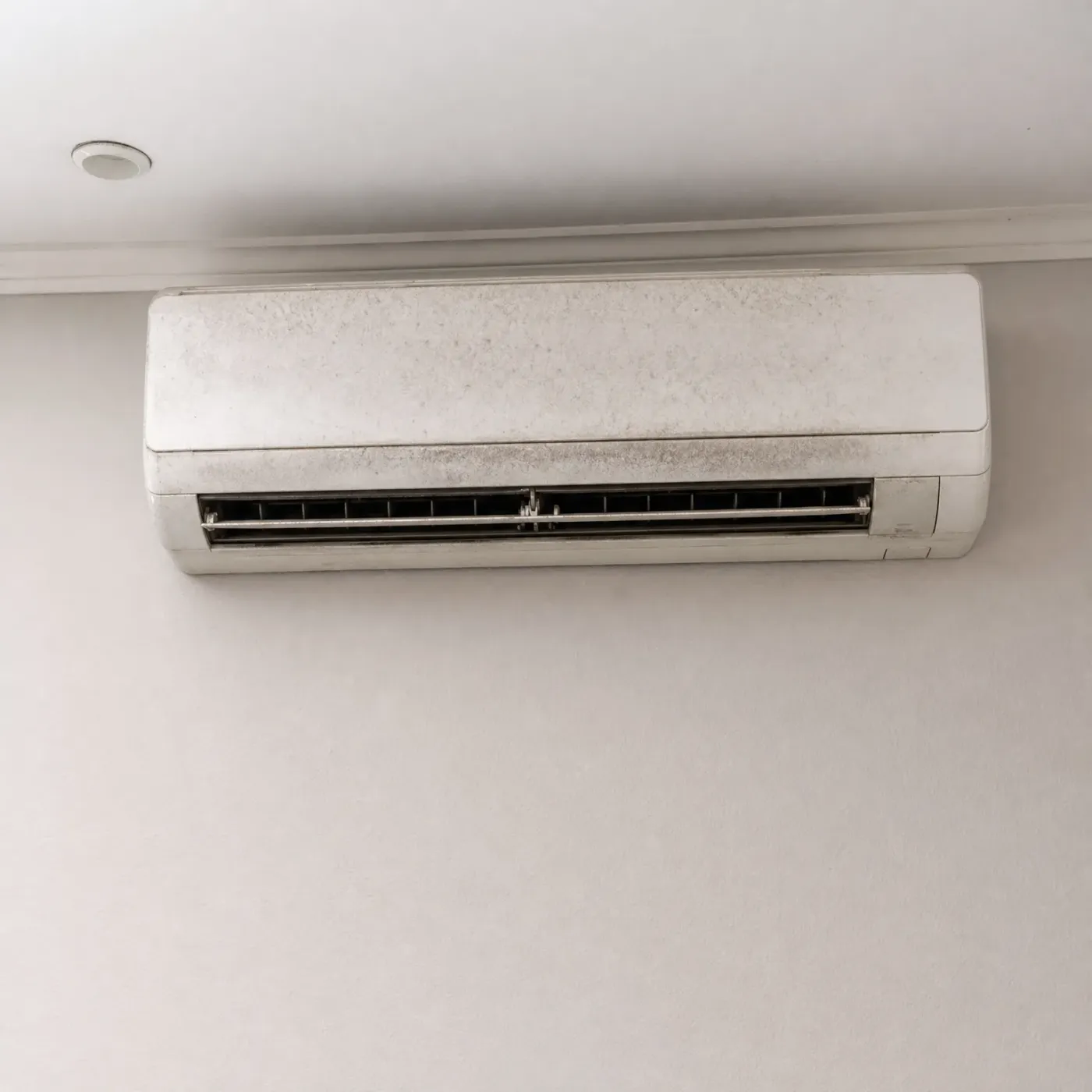
The coil inside your indoor unit stays wet every time it runs, because that's how it pulls moisture out of the air. Dust settles on that wet surface and mold takes hold in it, not in the metal underneath. Once it's established, the blower does the rest. Every time the unit kicks on, air moves across the coil and carries whatever is growing there right into the room you're sitting in. The drain line underneath makes it worse if it's clogged. Condensate backs up and sits under the coil instead of running out, and standing water sours fast. That's usually why the smell is strongest the moment you turn the unit on after it's been off, the coil has been sitting damp and closed up with no air moving through it. A filter change won't touch any of this, since the filter sits in front of the coil, not on it. The fix is rinsing the coil itself and flushing the line so the water has somewhere to go. If the foam lining inside the unit has already taken on that moisture, it can hold the smell even after the coil is clean.
A licensed local pro takes the request for your mini split tune-up.
No charge to send it. You decide if you hire them.
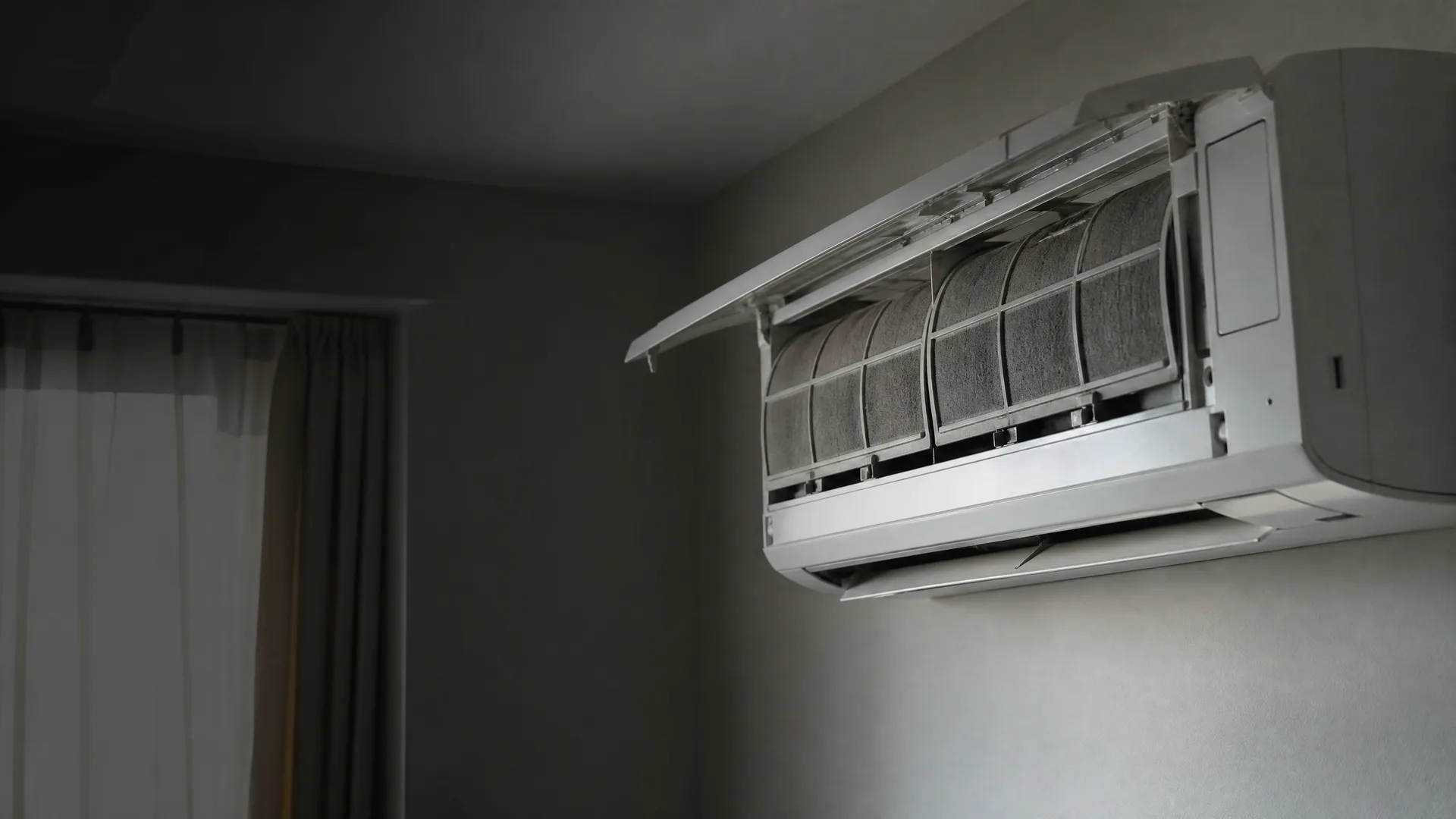
It's a spring afternoon and you've finally pulled the cover off the indoor unit in the bedroom, the one that's been running musty since you turned it on last week. Light's coming through the window and you can see the filter screen plain as day, grey with a season's worth of dust packed into it. You slide it out to rinse it off. Behind it the coil is still shadowed, out of reach, but you already know the smell was coming from somewhere back there, not just the screen in your hand. The room's quiet except for the street outside. You set the filter in the sink and go looking for a flashlight.
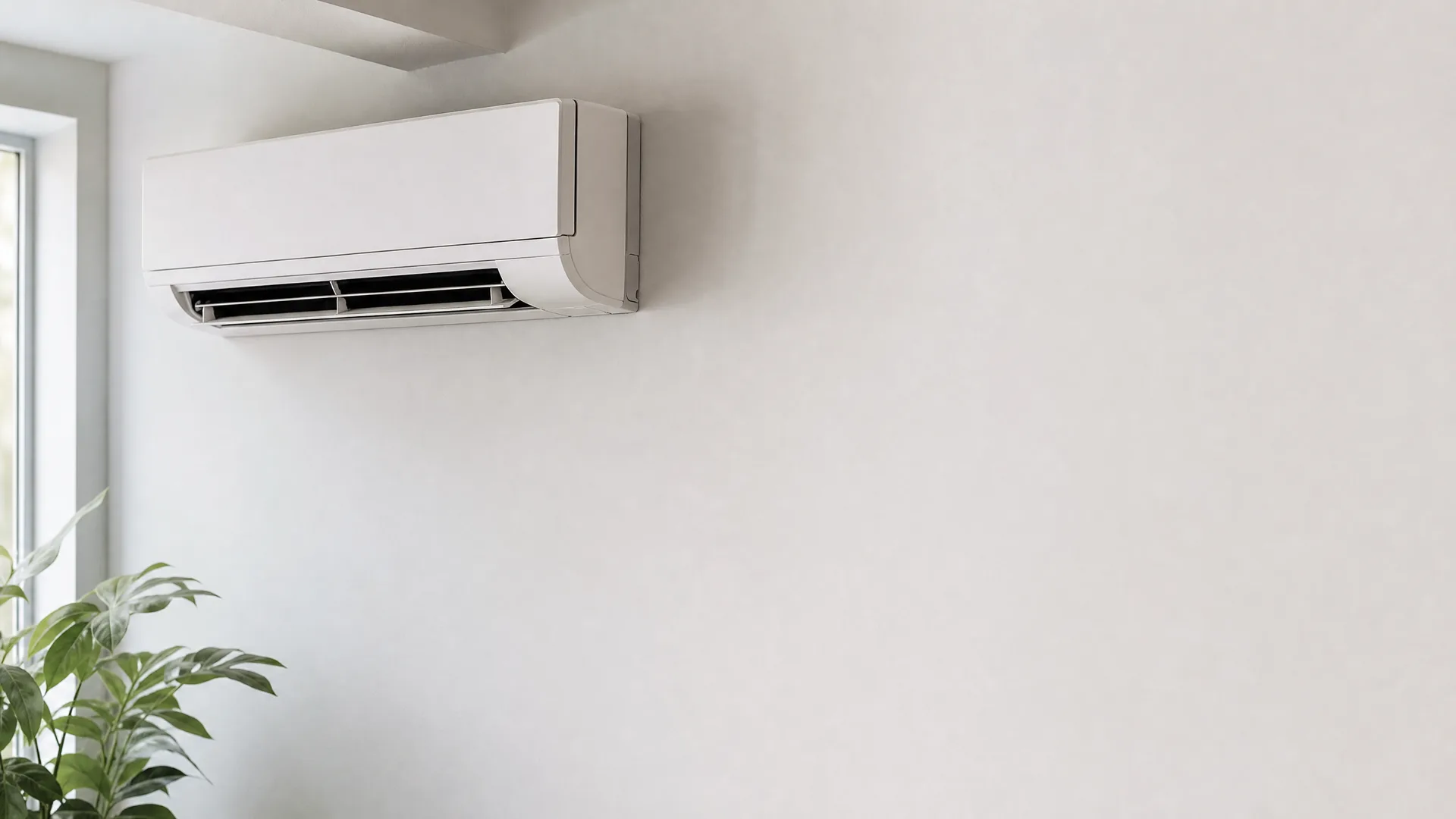
Cooling pulls moisture out of the air and that water has to drain off the coil and out through a condensate line. If the line sits unused for months at a time, the slope doesn't change but what collects in it does. Dust and grime from the coil wash down into it, and that buildup is where mold gets its start. A clean coil with a clear line has nothing to feed on.
A mini split doesn't bring in outside air the way a furnace with ductwork does. It only moves and cools the air already in the room, so there's nothing flushing the indoor unit out between cycles. Whatever sits on the coil or in the drain pan when the unit shuts off is still there when it starts back up. That's what the blower pushes into the room first.

The smell doesn't stay in the bedroom with the unit. If that mini split handles a living area or a space where you spend a few hours a day, you're breathing that air the whole time it runs. Mold on the coil doesn't stop at smelling bad either. It sits right where the blower pulls air across it, so spores move through the room along with the cool air. For anyone in the house with allergies or asthma, that matters more than the smell does.
There's also what it does to the unit itself. A coil coated in mold and dust doesn't transfer heat the way a clean one does, so the mini split works harder to cool the same room. A contractor who services mini splits around Dallas County every season has seen what a neglected coil turns into after a few years of this, and knows what to check first. Getting matched with one means someone local looks at your specific unit, not a general checklist, and you're only dealing with the one company.


Dallas County summers hold a dew point around 63°F, according to NOAA averages for June through August. That's heavy, sticky air, and your mini split has to wring a lot of water out of it to cool the room. All that moisture runs across the evaporator coil on its way out, and if the coil's carrying dust or the drain line is slow, that water has somewhere damp to sit instead of draining clean. That's the environment mold needs. It's also why the musty smell tends to show up strongest on the first humid days, when the unit is pulling the most water out of the air it moves.
NASA POWER T2MDEW
The musty smell is the coil and the drain line telling you they've been sitting wet with nothing to dry them out. Cleaning both is what gets rid of it, and keeping them clean is what keeps it from coming back. A technician who services mini splits around Waukee all year, through the humid stretch and the cold months on either side of it, has seen that coil in every state it gets to and knows where the grime actually hides. You'll be matched with one licensed contractor local to Dallas County, not a handful of companies competing for your callback, so the person who shows up is the one who's already looked at your situation. From here it's a matter of getting someone in to look at the unit, clean what needs cleaning, and let you run it without wondering what you're breathing.
Find a mini split maintenance pro in Dallas County