What a mini split tune-up covers in Iowa

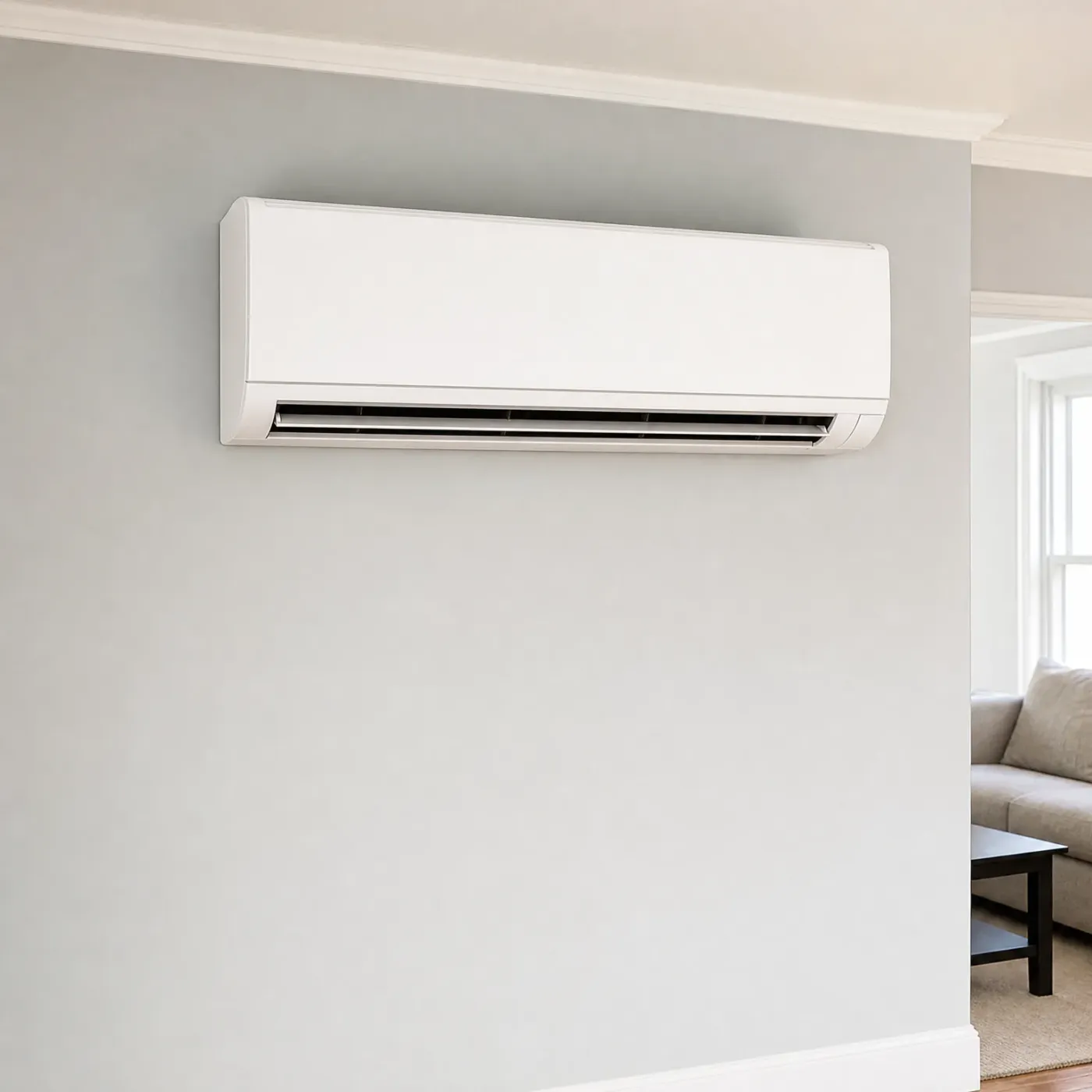
A white wall-mounted mini-split air conditioner indoor unit with a horizontal louvered air outlet, shown against a plain light gray background.
Get my match

What does a mini split tune-up include in Iowa?

You're running your mini split year round, cooling the muggy stretch of summer and probably leaning on it for shoulder season heat too, and you want to know what you're actually paying for when someone comes out to tune it up. Mini splits don't get the same attention homeowners give a furnace, so it helps to know what's being checked before you agree to it.

It covers the indoor coil, the outdoor unit, the filters, and the refrigerant charge

A technician cleans the indoor coil and the filters, since dust and pet hair build up on both and block airflow over time. Outside, the condenser gets cleared of grass clippings, leaves, and anything blocking the fins. They check the refrigerant charge, look at the drain line for clogs, and test that the unit cycles properly between heating and cooling. In Iowa, that outdoor unit sits through summer humidity and winter cold without a cabinet around it like a furnace has, so it's exposed to more dirt and weather than most equipment in your house. A tune-up catches what that exposure does before it costs you comfort or a bigger repair.

  1. Indoor filters come out first and get washed or swapped.

  2. The blower wheel gets checked for dust caked along the blades.

  3. Indoor coil gets inspected and cleaned if it's dirty.

  4. Condensate drain gets flushed so it isn't clogged with algae.

Tune-Up Now or Wait It Out

Tune-up now

  • A tech catches a dirty filter or a weak capacitor before it strands you on a 90 degree day in July.
  • The outdoor unit gets cleared of cottonwood fluff and grass clippings that choke airflow over the coil.
  • Refrigerant charge gets checked, so the system isn't quietly working harder than it needs to all summer.
  • Cost is fixed and scheduled on your terms, not decided for you by whatever breaks first.
  • A clean indoor coil and clear drain line mean the unit isn't straining before the heat even peaks.

Skip it, wait

  • You save the cost of the visit, at least until something stops working.
  • Dust and a clogged drain line can build for a full year without any obvious sign indoors.
  • When it does fail, it's more likely to be mid-summer, when every other mini split owner is calling too.
  • A failed capacitor or iced-up coil costs more to fix than a filter change would have.
  • If the unit also carries your shoulder season heat, a breakdown hits you in both directions.
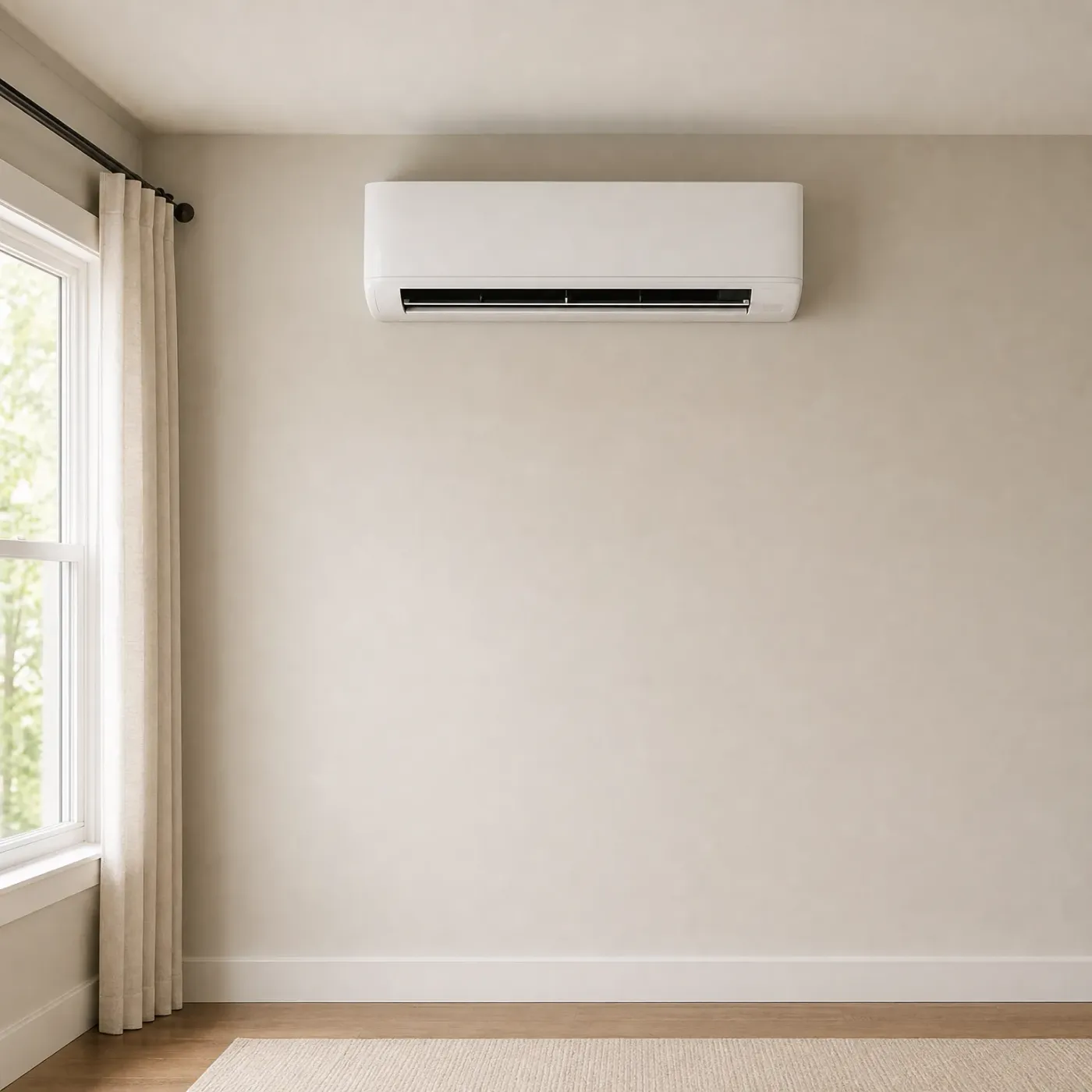
A white wall-mounted mini-split air conditioner on a beige interior wall, with a curtained window on the left and wood flooring with a light rug below.

Running clean

Air moves out of the vents without a struggle, and the room cools evenly front to back. The casing stays white, the drain line stays clear, and the unit doesn't have to work past what the compressor was built for. This is what a tune-up keeps it doing, month after month.

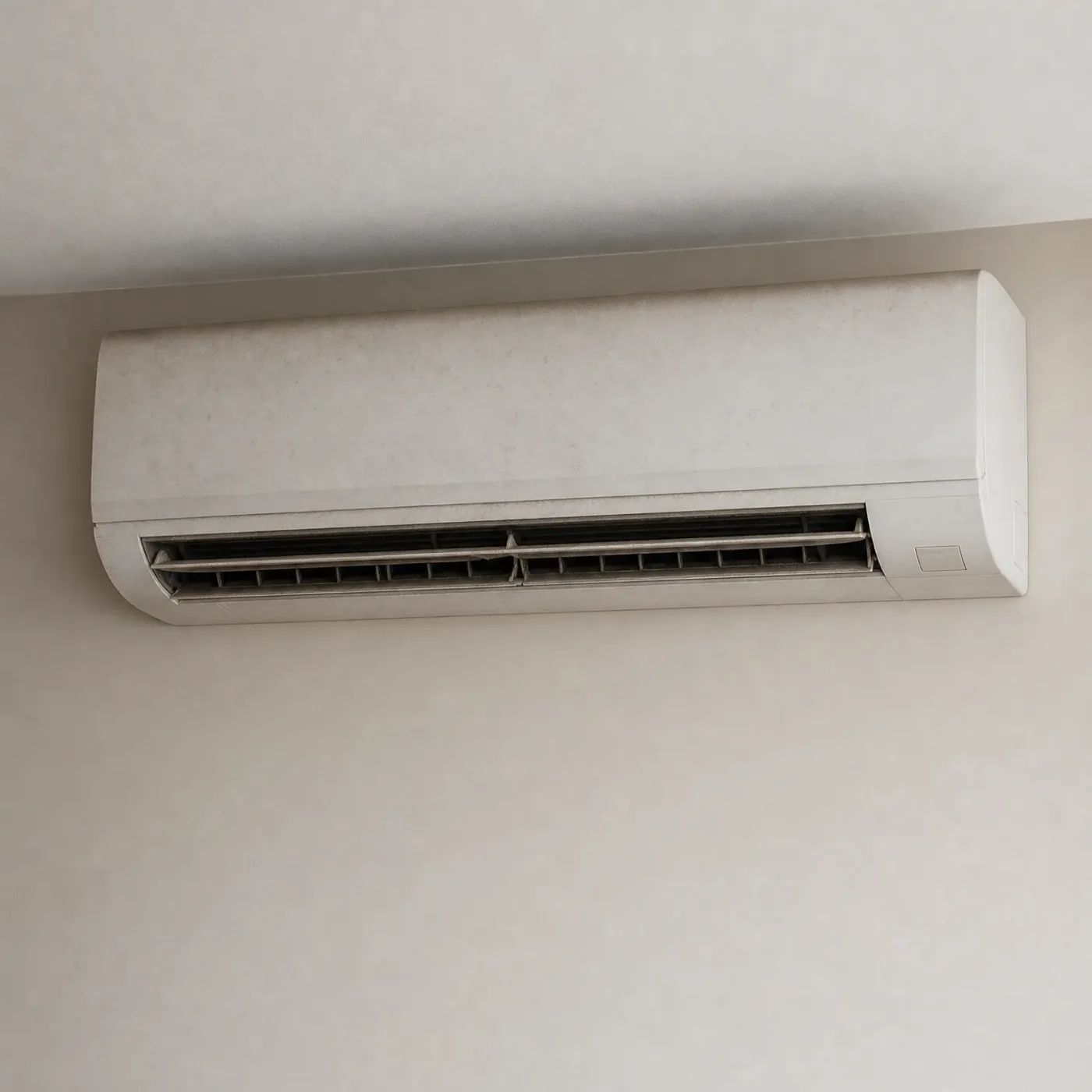
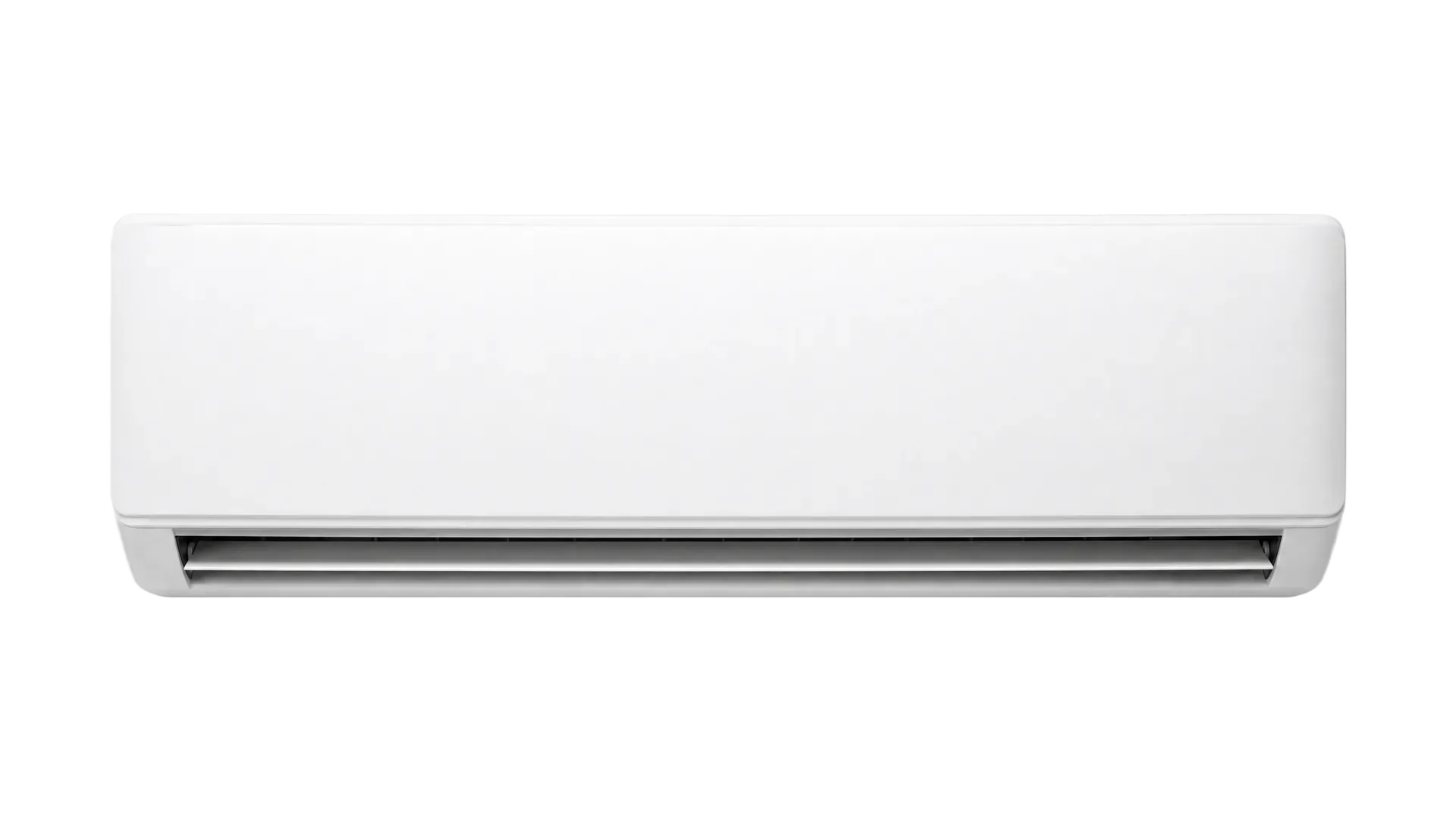
A white wall-mounted mini-split air conditioner indoor unit installed near the ceiling on a plain light-colored wall, with its horizontal outlet vent and louvers visible.

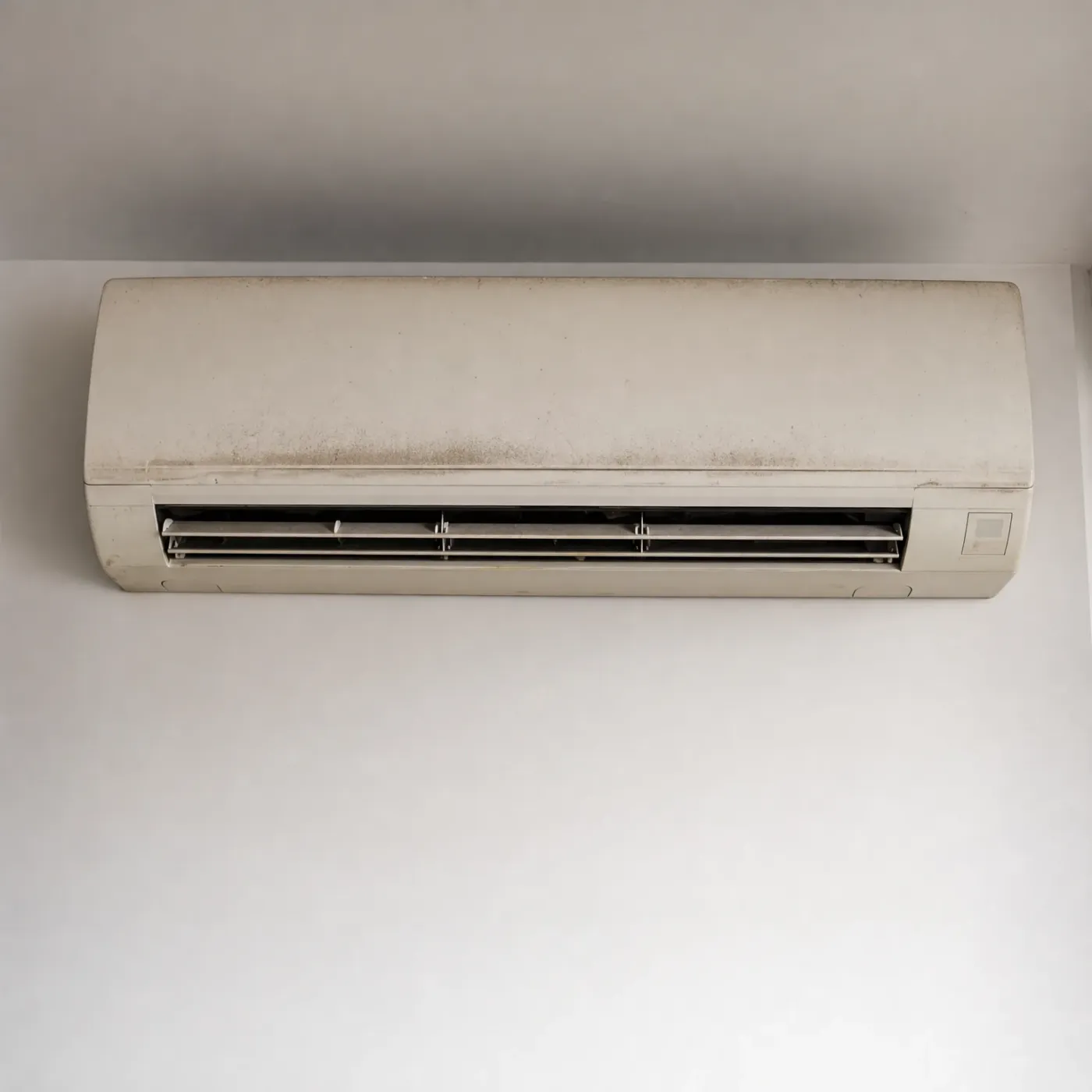
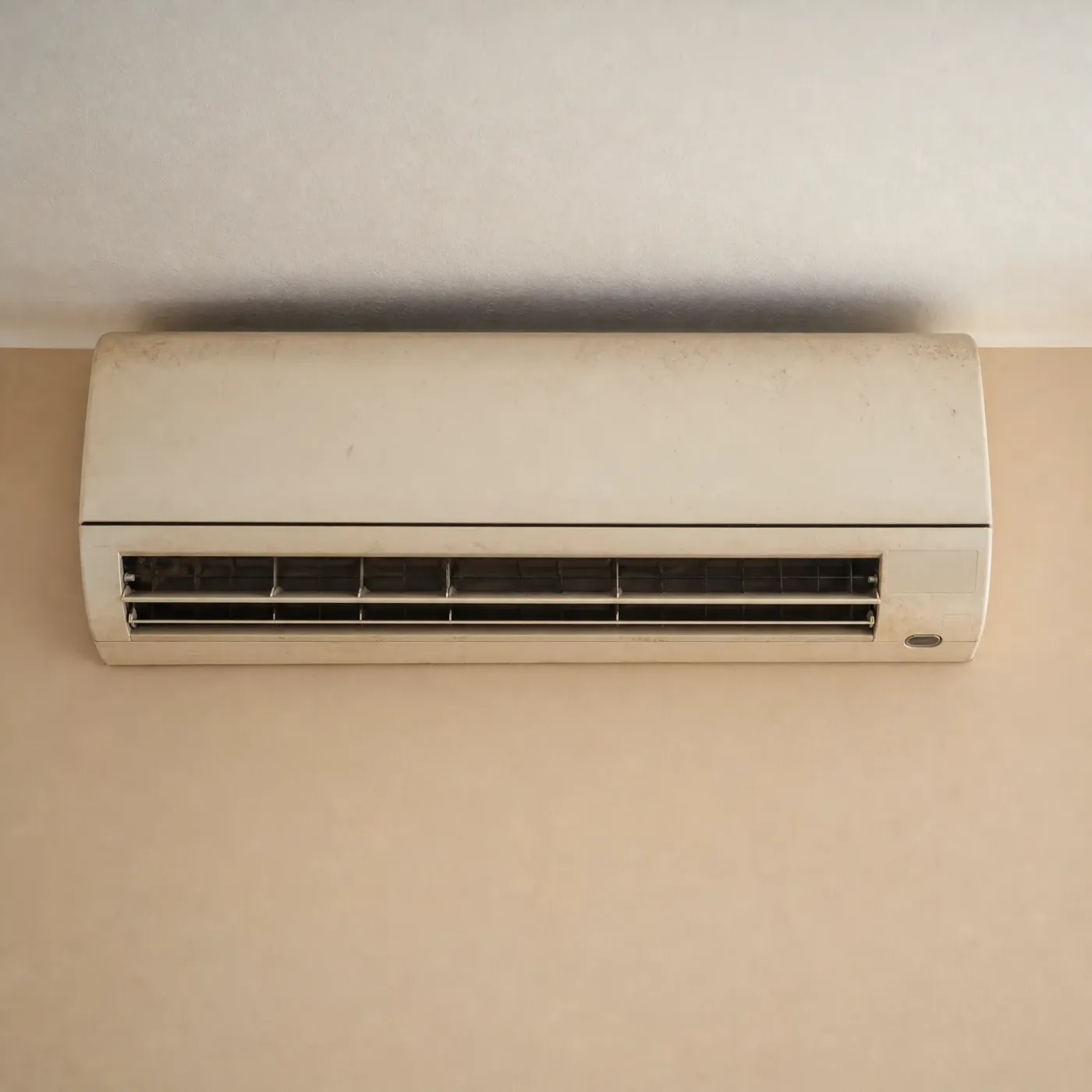
Running neglected

Dust has settled into the vents and the casing has gone gray around the edges. That buildup blocks airflow across the coil, so the unit runs longer to reach the same temperature. Left alone through another Iowa summer, it costs more to run and wears out sooner than it should.

A dusty, discolored wall-mounted mini-split air conditioner indoor unit on a plain white wall, with its horizontal louvers and vent grille visible.
Before you get your mini split maintenance
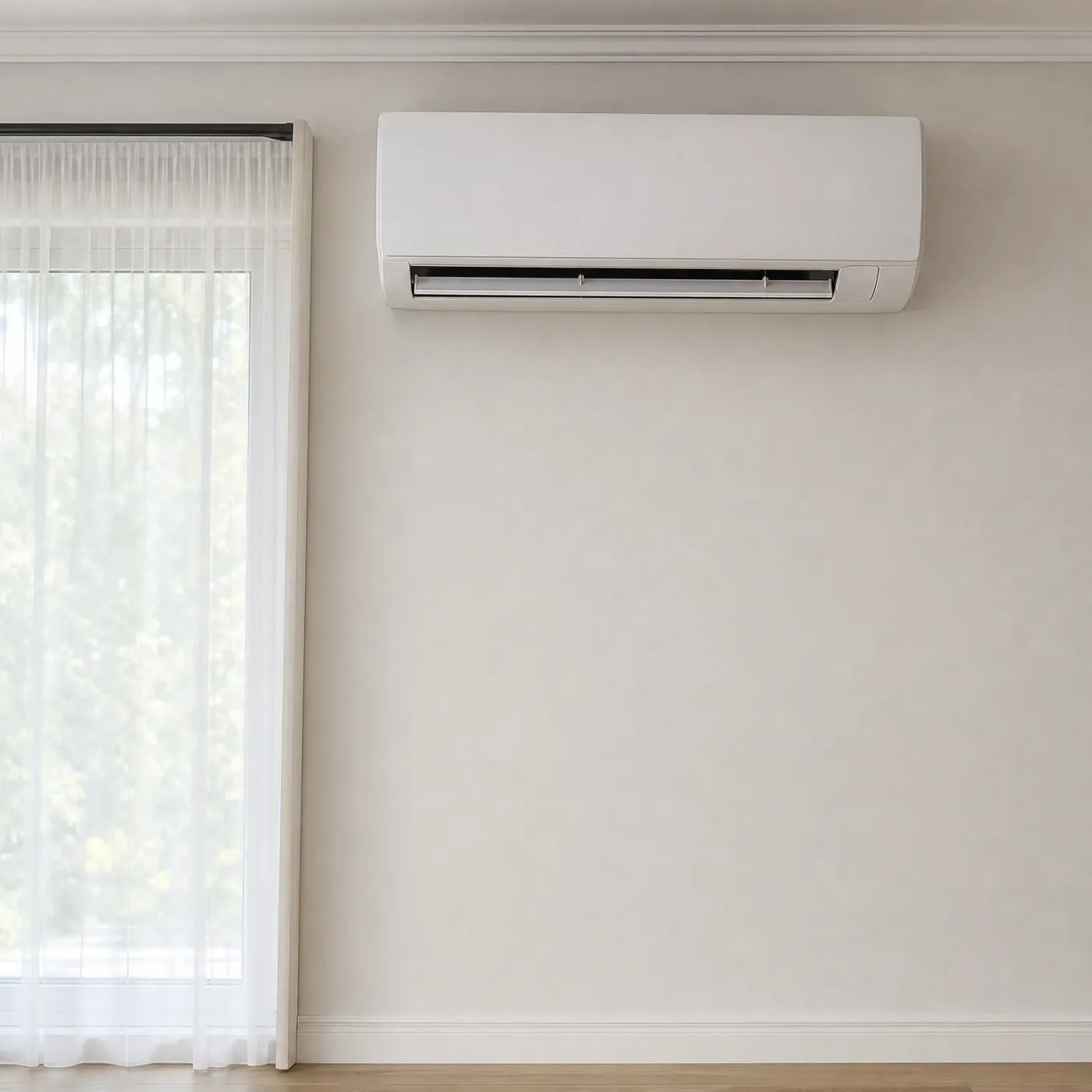
A white wall-mounted mini-split air conditioner on a beige interior wall, next to a window with sheer white curtains and green foliage outside.
After you get your mini split maintenance

Power is cheap in Iowa, but a mini split that's lost its edge still costs you more to run than one that's been looked at. It has to work longer to push cool air through a dirty coil or a clogged filter, and that shows up on the bill before anything actually breaks. Keep ignoring it and the compressor takes the strain, which is the part you don't want to replace. The drain line matters too. Algae builds up slow, then one day it backs up and finds its way through the wall or ceiling near the indoor head. Refrigerant leaks work the same way, small and quiet at first, then the unit just stops keeping up on the one week it's actually hot out. None of this happens overnight. It's usually a year or two of skipped checkups catching up all at once, right when the humidity hits. If your unit's been running nonstop or cycling on and off without settling, that's it telling you something early.

What skipping it costs you

  • A unit that skips its yearly check tends to run longer to hit the same temperature, and you see that in the electric bill.
  • A dirty outdoor coil in August makes the compressor work harder, and that's the part most expensive to replace.
  • A clogged drain line backs up and drips through the ceiling or down the wall where the indoor head is mounted.
  • A refrigerant leak left unchecked gets worse slowly, then the mini split stops cooling on the one week you need it most.
  • Skipping maintenance for a couple of years in a row tends to catch up with you right when summer humidity peaks.
  • A unit that short cycles or runs constantly without relief is already telling you something a tune-up would catch early.
A white wall-mounted mini-split indoor unit installed high on a gray interior wall, with a sofa, dark table and window visible in an adjoining room to the right.
Air moves out of the vents strong and quiet, and the white casing stays clean.
A wall-mounted mini-split air conditioner indoor unit with a dusty beige casing and dark louvered vent, installed near the ceiling on a plain beige wall.
Dust has built up on the casing and the louvers look yellowed, a sign the filter hasn't been serviced in a while.
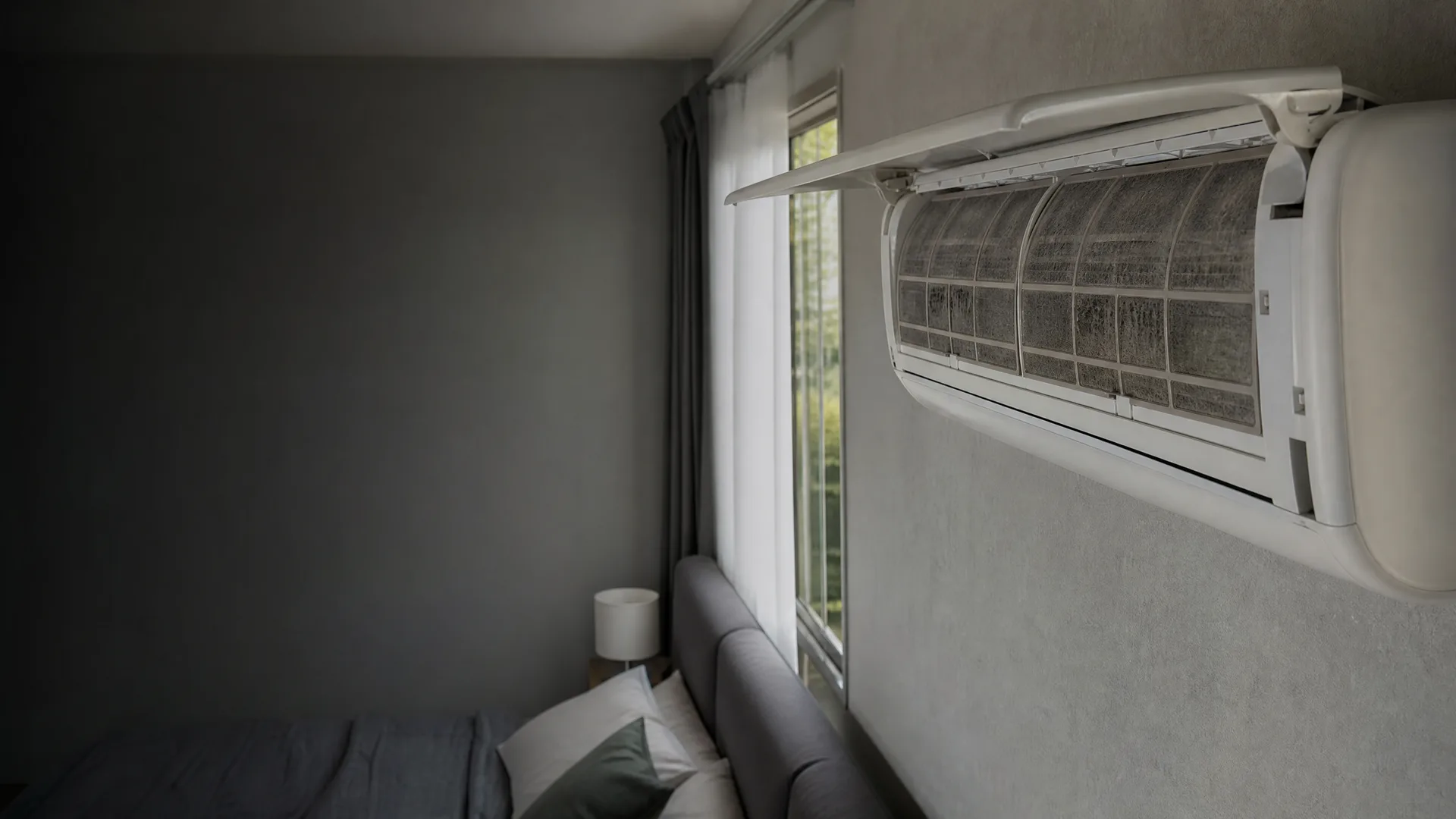
Interior room corner with a wall-mounted mini-split air conditioner, its front panel open to expose dusty coils, beside a curtained window and a gray sofa with pillows.

It's early afternoon in April and the sun is coming through the blinds at an angle, striping the bedroom wall. You've pulled a chair over to the mini split mounted above the window, and the front cover is swung up on its hinge. The filter screen slides out grey, dust matted into the mesh so thick you can't see the weave underneath. You hold it up to the light from the window and nothing passes through. Outside, the yard is still patchy, not green yet, and you can hear a mower two houses down. You set the filter in the sink to run water through it, thinking about July already, how this thing will be running most of the day once the heat sets in.

Matched to your mini split job

Send the form, and lining up the mini split tune-up stops being yours to chase.

It costs nothing to send, and you don't have to hire anyone.

Why the outdoor unit matters most

A mini split moves heat through refrigerant, and that exchange happens at the outdoor coil. In Iowa, that unit sits outside through ice storms, pollen, cottonwood fluff, and whatever the lawn mower throws at it all summer. A tech straightens bent fins with a fin comb and rinses the coil clean, because airflow across that coil is what lets the system reject heat in July and pull heat in from the cold air of a shoulder season morning. Airflow blocked by debris makes the compressor run longer to do the same job, and the compressor is the part that costs the most to replace.

Checking the charge instead of guessing

Refrigerant charge is checked against the manufacturer's spec using gauges, not by feel. A system low on charge still blows air, so there's no obvious sign from inside the house that anything is wrong. Low charge forces the compressor to run longer to hit the temperature on the thermostat, and it can show up as ice on the indoor coil even on a 90 degree day. A tech also checks the electrical connections at the outdoor unit and tightens anything that's worked loose, since a loose connection generates heat and wears down a contactor over time.

Power costs 13.62 cents per kilowatt-hour statewide

At under 14 cents a kilowatt-hour, running your mini split here doesn't punish you the way it does elsewhere. That's a reason to keep it tuned, not skip it. A dirty coil or low charge still makes the compressor work harder, and that shows up on the bill even at a cheap rate.

EIA-861 2025 statewide residential average

One head, one room

A single mini split head handles one room or one zone, usually mounted on the wall above a window. A tune-up on one head is quick: the filter comes out, the coil gets checked, the drain gets flushed, and the outdoor unit tied to it gets cleared out. If that's your setup, a bedroom or a sunroom add-on most likely, there's less to look at and less that can go wrong between visits.

A multi zone system

A multi zone setup ties several indoor heads to one outdoor condenser, maybe one for the living room, one for each bedroom. Each head still needs its own filter check and coil look, so the visit covers more ground. The outdoor unit works harder too, since it's serving every zone at once, so the refrigerant charge and the electrical connections at that single condenser carry more weight than they would on a one head system.

A woman wrapped in a thick cream knit blanket sits in an armchair beside a lit table lamp, with an open book in the foreground and a frost-covered window behind her.
A woman in a cream knit sweater sits in an armchair with her eyes closed near a window showing yellow autumn foliage, with a mug on a round wooden side table beside her.
A two-story house with cream horizontal siding, a dark gabled roof, and a white front door, fronted by a lawn, shrubs, and a concrete walkway leading to a sidewalk and street, with large leafy trees on both sides.

Summer air in Iowa carries a dew point around 62°F, according to NOAA climate records, and that's the number that decides how hard your mini split has to work to feel like relief. Above 60, air feels sticky even when the thermometer isn't that high, so your unit is pulling moisture out of the room as much as it's cooling it. That extra load falls on the indoor coil. If it's coated in dust or the filter's clogged, the coil can't pull water out of the air as fast, and you'll notice it as a room that feels cool but still damp.

NASA POWER T2MDEW county cells weighted by homes

A woman stands in the open black front door of a white-sided house with a dark shingled roof while a man in a navy jacket approaches along the walkway, with lantern wall lights, a potted shrub, and flowering garden beds nearby.

What a tune-up covers, and what it's worth knowing

A mini split tune-up in Iowa comes down to a short list done right: filters cleaned, the coil checked front and back, the drain flushed, the outdoor unit cleared, and the refrigerant charge confirmed. None of it is complicated. All of it decides whether the unit coasts through August or struggles against its own dirt and strain.

You've seen what that looks like on both sides now, the clean run and the neglected one, and where they split. If your mini split hasn't had that check, the next step is matching with a contractor who works on your make and your setup, someone who'll reach out once you send the form. From there, finding help is off your plate.

A wooden table holding a stone vase with a bare branch, two stacked books and a small dark bowl, beside a window with green foliage outside and a sofa in the dim background.
An older man with gray hair and a beard, wearing a dark coat dusted with snow, stands smiling in a doorway of a warmly lit home with a sofa, lamp and window visible behind him.
An older man with grey hair and a beard, wearing a dark coat dusted with snow, stands in a dimly lit entryway with a ceiling lamp, a side table with two shaded lamps, and a lit fireplace visible in a room beyond.
A bearded older man in a dark snow-dusted coat and scarf stands just inside a home's front door, with a lamp-lit room and snowy window visible behind him.
An older man with gray hair and a beard stands in a doorway of a home, wearing a dark coat dusted with snow, with a lit fireplace and lamp visible in the blurred room behind him.

Mini Split Maintenance

A mini split pro near you

Send the form and the mini split tune-up stops being something to remember.

A black smartphone standing upright against a plain light gray background, its screen filled with solid green.
Step 1 of 3: Equipment