
Why your mini split has ice on it in an Iowa winter
Why does my mini split have ice on it in the winter?
Iowa winters push a mini split hard, and if you've gone out to find frost or a solid sheet of ice on the outdoor unit, it's natural to wonder if something's broken. Below zero cold snaps make it worse. You want to know if this is normal for the cold months here or a sign the system needs a repair before it quits on you.
Some frost is normal, but thick ice means the defrost cycle isn't working right
A mini split's outdoor coil runs cold enough to pull moisture from the air, and in freezing temperatures that moisture turns to frost. The unit is built to notice this and run a defrost cycle every so often, reversing itself briefly to melt the buildup before it goes back to heating. A light, patchy coating that clears on its own during a defrost run is nothing to worry about. A heavy layer that keeps growing, or ice that doesn't go away between cycles, means the defrost control, a sensor, or the reversing valve isn't doing its job. Left alone through an Iowa winter, that ice blocks airflow across the coil and the system has to work harder to put out less heat.




Normal Frost or a Freeze-Up
Normal Frost
- A thin, even layer of frost across the outdoor coil during a defrost cycle clears on its own within 10 to 15 minutes.
- You'll see it most on damp, cold days, right around freezing, when the unit is working through a scheduled defrost.
- The fan keeps turning and the unit cycles between heating and defrost without you doing anything.
- Frost that comes back evenly after each defrost and melts away the same way is the unit doing what it's built to do.
A Problem Freezing Up
- A thick, solid sheet of ice that builds up instead of clearing after defrost points to a mechanical issue.
- Ice forming only on one section, or dripping down and refreezing into a block near the base, isn't a normal defrost pattern.
- If the outdoor fan has stopped turning while ice keeps building, the unit can't push warm air out to melt it.
- A unit that's low on refrigerant will run colder than it should and ice over even when it's not that cold outside.
- Ice packed around the lines or the indoor coil, not just the outdoor cabinet, means it's gone past a routine defrost cycle.
- A unit that keeps freezing up on milder days, not just during cold snaps, usually has something wrong rather than just weather doing its thing.

Cold outdoor air drops the outdoor coil below freezing.
Moisture in the air lands on the coil and turns to frost.
A sensor reads coil temperature and triggers defrost mode.
The system briefly reverses, pumping heat outside to melt ice.
Is this ice actually a problem in my house?
Go out and look at the outdoor unit. If the ice covers the whole coil, has built up thick, or is still there after sitting for an hour, that's not a normal defrost cycle. You might also notice the indoor head blowing air that's barely warm, or not warm at all, even though the unit is running. Some homeowners hear the fan straining or notice the system short cycling, turning off and on more than it should. Left alone, a mini split that can't clear its coil will keep losing heating capacity, and ice can damage the fan blades or the coil itself. With most of Iowa heating by gas, your mini split is likely a secondary source, but a frozen one still means a cold room and a unit working harder than it should.
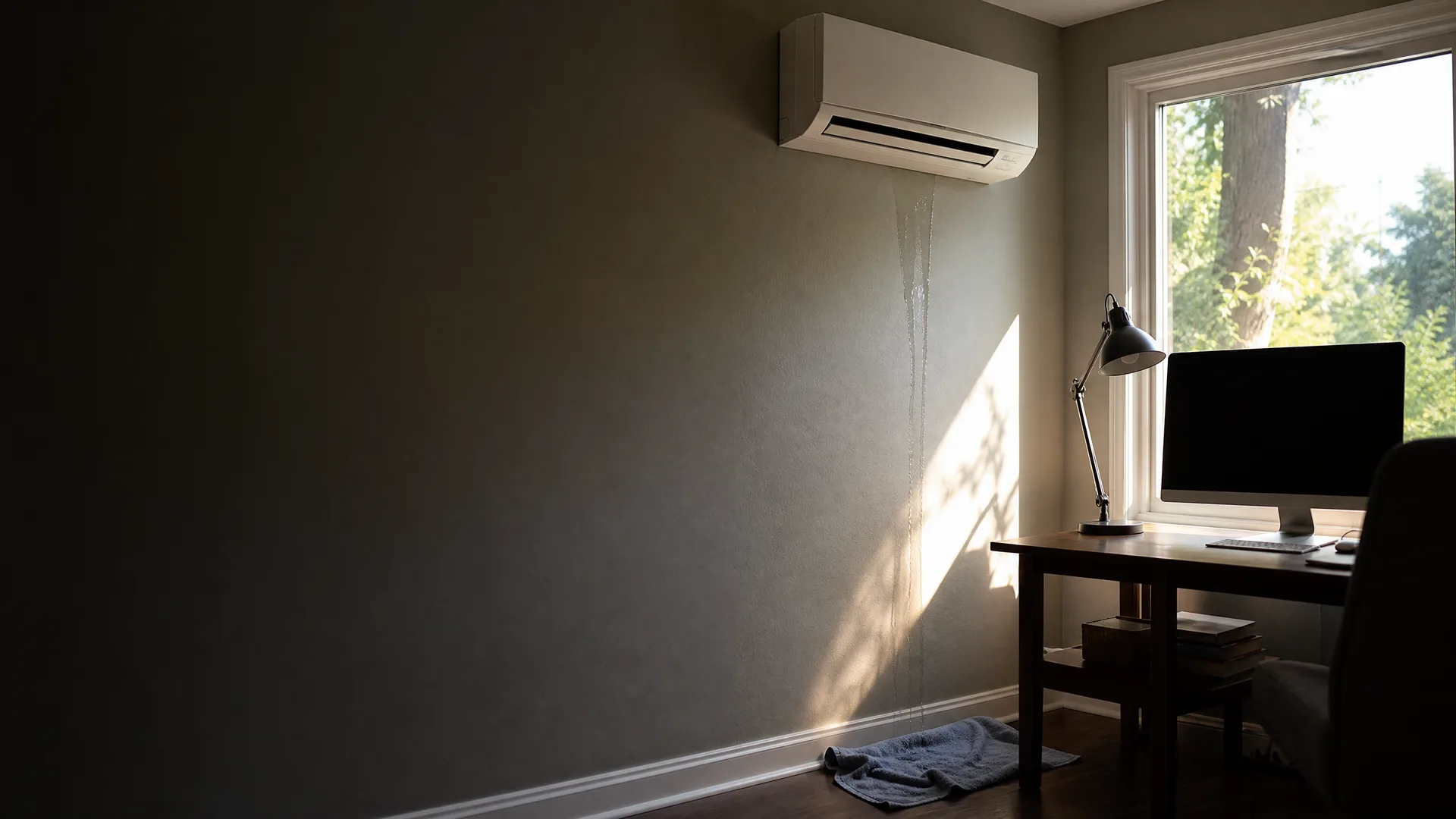
You're at the desk in your home office in January, working late, and you hear it before you see it. A soft tick, tick against the wall. You get up and find a thin line of water running down the drywall under the indoor unit, pooling on the floor below. You grab a towel from the hall closet and press it against the baseboard, then step outside in your socks to check the outdoor unit. The coil is packed in ice, not the thin frost you've seen before. You stand there in the cold a minute, towel still damp in your hand, trying to decide who you'd even call about this.
Get the right pro for your mini split
A mini split that keeps icing over in an Iowa winter isn't going to fix itself, and by the time you've got a solid sheet on the outdoor coil, something is already off, a stuck defrost sensor, a low refrigerant charge, a reversing valve that won't switch. Sorting out which one takes a tech with gauges and a reason to actually look, not another guess. Finding that tech is the part that eats your evening: searching around, calling a few numbers, describing the ice and the dripping wall to each one, then sitting on quotes trying to figure out who's worth having back. Hand that off instead. The cold snap that made the ice worse isn't going away, and running the system on a frozen coil through more of this Iowa winter just asks for the same wall, the same puddle, maybe a line that freezes solid and quits moving heat at all. Get it looked at before that happens again.
What a stuck defrost cycle looks like
A mini split defrosts by reversing the refrigerant flow for a few minutes, sending heat outside to melt the coil before switching back to heating your house. If the sensor that reads coil temperature fails, or the reversing valve won't switch back, that cycle doesn't complete. The outdoor fan may keep running against a coil that's still partly frozen, or the unit cycles into defrost over and over without ever fully clearing. Either way, ice builds instead of melting. You'll notice the indoor head blowing cool air for longer stretches than usual, since the system is spending more of its time trying to defrost than it is heating.
Why a low charge makes it worse
Refrigerant carries the heat that melts the coil during defrost. If the system is low on charge, from a slow leak at a fitting or a joint, there isn't enough heat moved outside to finish the job before the system switches back. The coil runs colder than it should across the board, not just during defrost, so frost forms faster than a normal cycle can clear it. This is also why a mini split low on charge often struggles to keep up on the coldest nights, independent of any ice. The two problems usually show up together once Iowa temperatures drop well below freezing.


What triggers defrost, and what breaks it
- The reversing valve is what switches the system from heating your house to dumping heat outside during defrost.
- A thermistor clipped to the outdoor coil tells the control board when the coil is cold enough to need a defrost cycle.
- The indoor fan usually shuts off or slows during defrost so you don't feel cold air blowing while the system works outside.
- A failed thermistor can report a coil temperature that never looks cold enough, so defrost never gets triggered at all.
- If the reversing valve sticks partway, refrigerant flow splits between two paths instead of fully switching, and the coil never clears.
- Low refrigerant charge drops the coil's operating temperature low enough that frost forms faster than a normal defrost cycle can remove it.
A mini split doesn't guess when to defrost. A thermistor clipped to the outdoor coil reads its temperature and reports back to the control board. Once the coil drops to a certain point, the board tells the reversing valve to switch, sending hot refrigerant out to the coil for a few minutes to melt the frost before switching back. The indoor fan slows or cuts out during this so you're not hit with cold air while it works.
Each part in that chain can fail on its own. If the thermistor goes bad, it can report a coil temperature that never reads cold enough, so the board never calls for defrost at all, and frost just keeps building through the night. If the reversing valve sticks partway between positions, refrigerant ends up splitting between the heating path and the defrost path instead of committing to one, and the coil never fully clears even when defrost does kick in.
Low refrigerant charge causes a different problem. With less refrigerant moving through the system, the outdoor coil runs colder than it should for the conditions outside. Frost builds faster than a normal defrost cycle, sized for normal operation, can keep up with. None of this is something you can diagnose by looking at the ice itself. A contractor checks the thermistor's reading against the coil's actual temperature, tests the reversing valve under power, and gauges the charge to see which one is off.
Power costs 13.62 cents per kilowatt-hour statewide
At 13.62 cents a kilowatt-hour, running your mini split's defrost cycles or an auxiliary heater through a bad freeze-up isn't going to show up as a shock on the bill. A stuck reversing valve icing over repeatedly, though, makes the system work harder for less heat each time, which adds up over an Iowa winter.
EIA-861 2025 statewide residential average
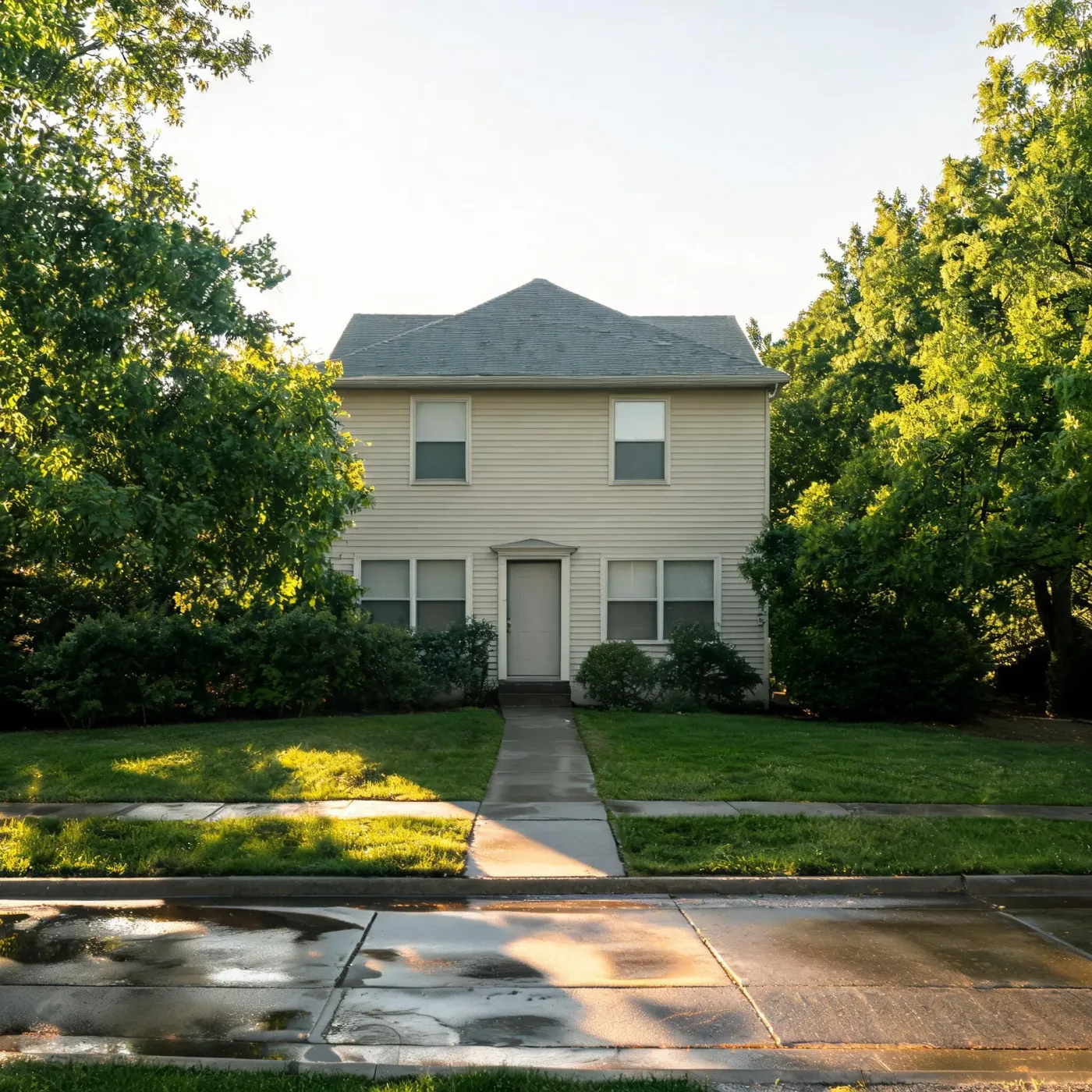
Summers here run sticky, with the dew point averaging 62°F across June, July and August in Iowa, according to NOAA climate data. That humidity matters once winter sets in too, because it's part of why your mini split works as hard as it does on the heating side. A system that spends summer pulling heavy moisture out of the air, cycling defrost and all, carries that wear into the cold months. It doesn't cause the ice on the outdoor coil, but it's one more reason the parts behind a normal defrost cycle, the sensor, the reversing valve, get put through their paces year round.
NASA POWER T2MDEW county cells weighted by homes
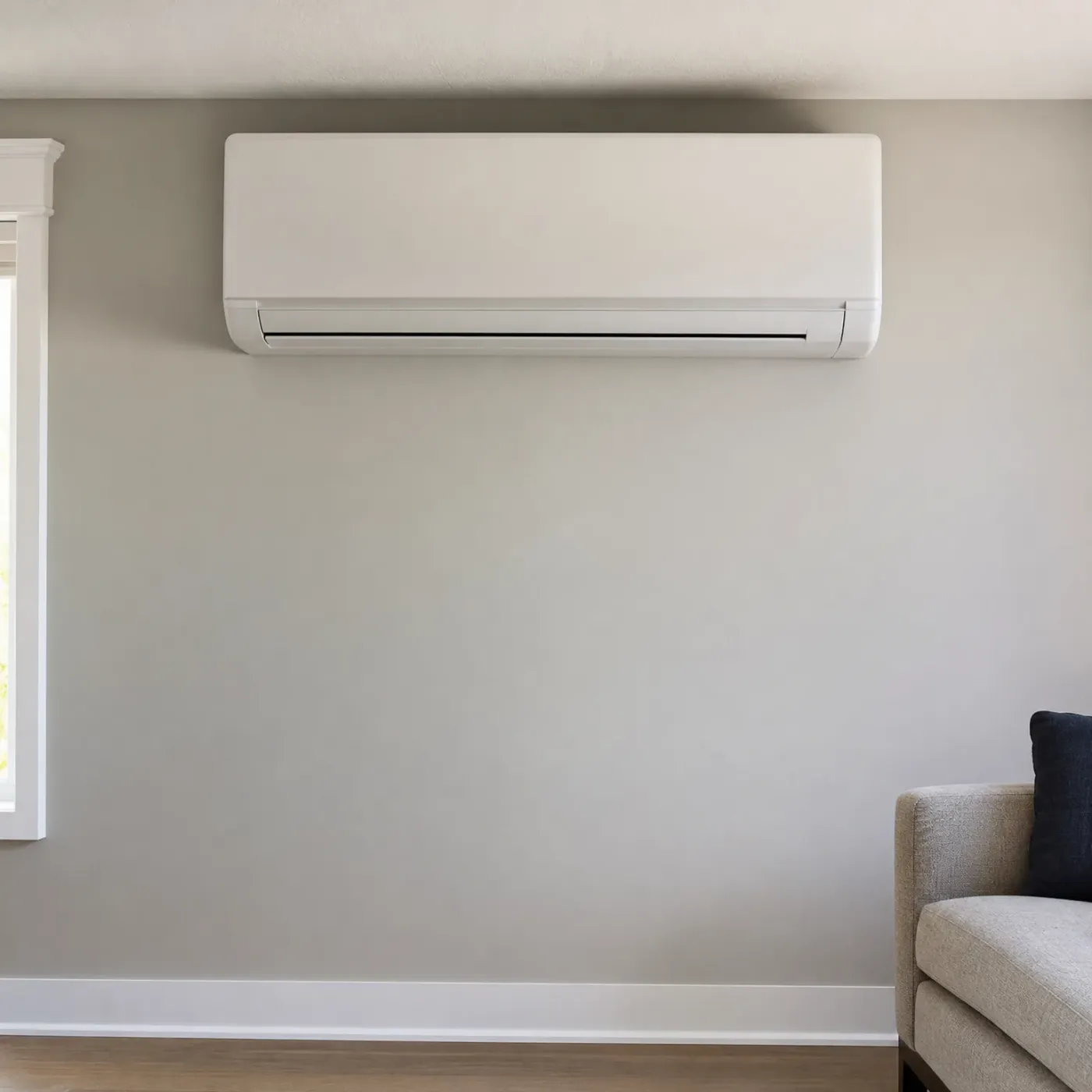
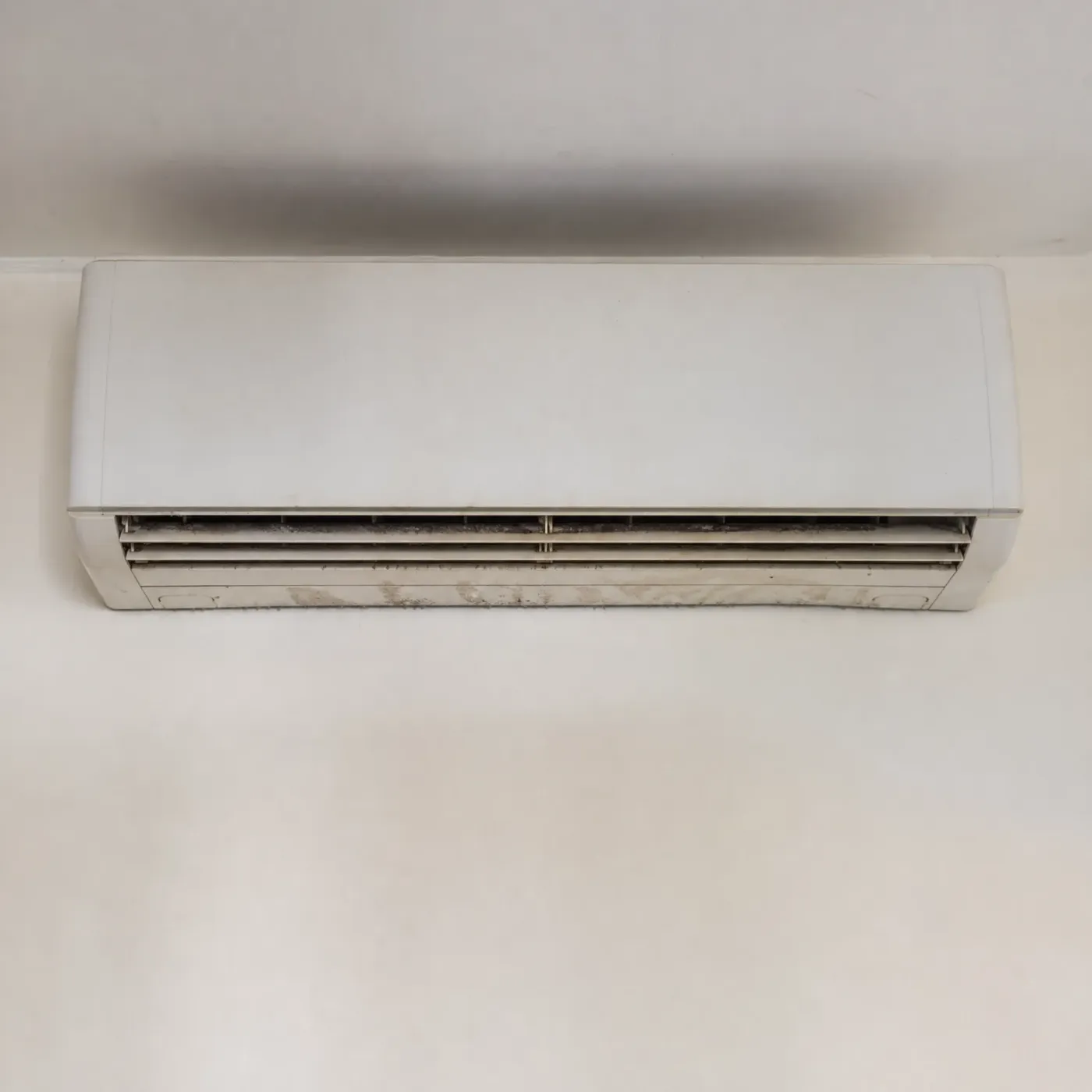
A thin coat of frost that melts off in a few minutes is your mini split doing what it's built to do in an Iowa winter. Ice that stays, builds up thick, or keeps coming back is a sign that something in the system, the sensor, the valve, the charge, isn't working right, and it won't sort itself out on its own. You don't have to figure out which part it is before you ask for help, and you don't have to spend an evening looking up contractors, calling a few, explaining the frost and the dripping and the noise against the wall to each one, then sitting on quotes trying to compare them. That part of it is off your plate once you ask. What's left is straightforward: a contractor who works on these systems looks at your unit, finds what's actually wrong, and goes from there.





A pro who works on mini splits
Answer a few questions instead of calling shop after shop.
You only hire the pro if you want to.